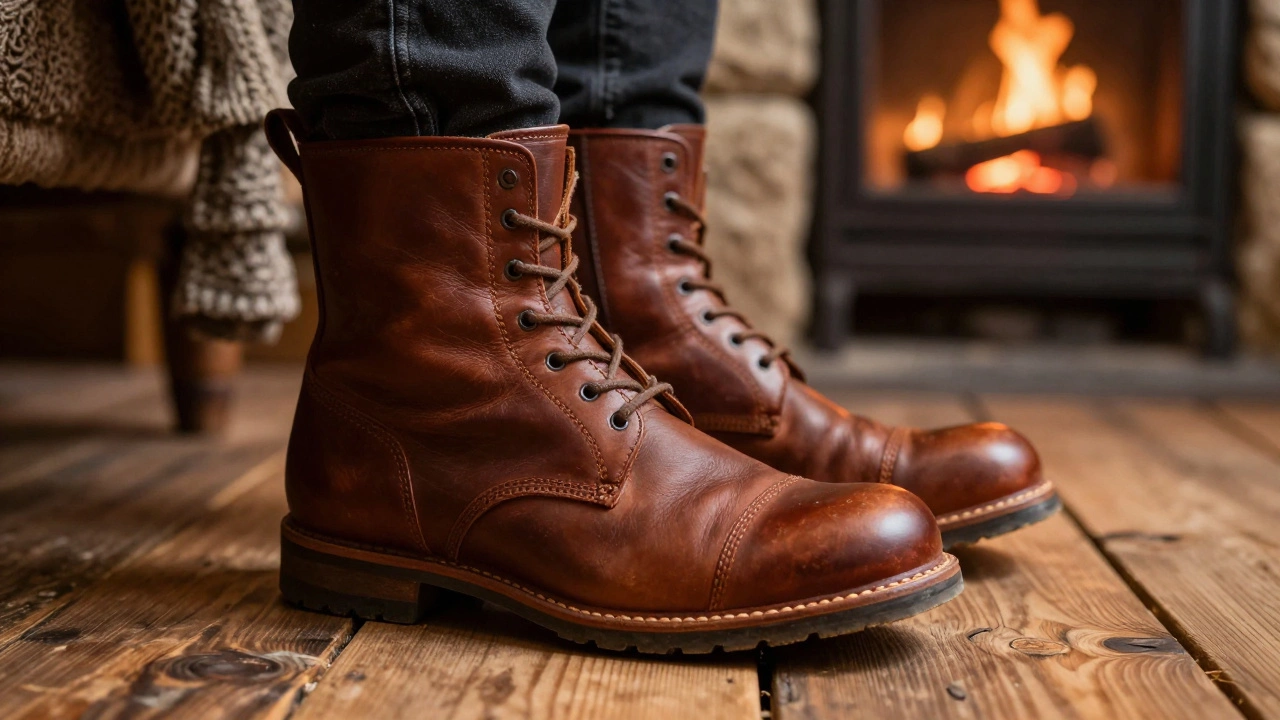
Leather Shoe Break-In Calculator & Guide
Your Personalized Break-In Timeline
Estimated Time to Comfort:
Based on your selections aboveComfort Progression:
Recommended Action Plan
💡Pro Tip
There is nothing quite as painful as stepping out into a crisp Galway morning with brand-new leather shoes that feel like they are made of stone. You bought them because they looked sharp for a meeting in Dublin or perfect for a wedding in Cork, but now your heels are screaming and your toes are numb. The big question on everyone's mind is: how long does it take to break in a pair of leather shoes? The short answer is usually two to four weeks of regular wear. However, the reality depends heavily on the type of leather, the construction of the shoe, and how aggressively you treat them during those first few days.
In Ireland, where our weather can shift from sunshine to sideways rain in minutes, breaking in shoes isn't just about comfort; it's about survival. We walk on cobblestones in the Old Town, muddy paths in the Wicklow Mountains, and polished floors in shopping centres. If your shoes aren't broken in properly, you will pay for it with blisters and bad posture. Let’s look at exactly how to get your new pair ready for the road without ruining them.
The Science Behind Stiff Leather
To understand why new shoes hurt, you need to understand what you are wearing. Full-grain leather is the highest quality leather, retaining the natural grain and requiring significant time to soften and mold to your foot shape. This is the stuff used in high-end boots and formal shoes from brands like Clarks or local cobbler-made goods. It is durable and water-resistant, which is great for an Irish winter, but it is also rigid when new.
Leather is made of collagen fibres. When the shoe leaves the factory, these fibres are tight and structured. As you wear the shoe, body heat and moisture from your feet cause these fibres to stretch slightly. Over time, the leather begins to map the unique contours of your foot-your arch height, your toe spread, even the slight bump on your pinky toe. This process cannot be rushed entirely. If you try to force the leather to bend beyond its limit too quickly, you risk cracking the material or creating weak points that will fail later.
| Leather Type | Stiffness Level | Estimated Break-in Period | Best For (Irish Context) |
|---|---|---|---|
| Full-Grain Leather | High | 3-4 Weeks | Outdoor work, hiking boots, formal events |
| Top-Grain Leather | Medium | 1-2 Weeks | Daily office wear, city walking |
| Suede/Nubuck | Low-Medium | 3-7 Days | Casual wear, dry spells only |
| Genuine Leather (Bonded) | Variable | 1 Week | Budget-friendly casual options |
The Golden Rule: Wear Them Indoors First
The biggest mistake people make is buying a new pair of shoes and immediately going for a three-hour stroll through Temple Bar or a day trip to the Cliffs of Moher. Do not do this. Your feet will thank you if you start small.
For the first three to five days, wear your new shoes only inside your home. Put on thick socks-the kind you’d wear for hiking-and walk around your living room for an hour or two each evening. This allows the leather to warm up and begin softening without the added stress of uneven pavement or long distances. Pay attention to hot spots. If you feel pressure on your heel or the ball of your foot, take the shoes off immediately. Addressing these spots early prevents blisters from forming later.
If you live in a drafty cottage in Connemara or a modern apartment in Dundrum, the principle remains the same. Indoor surfaces are forgiving. They allow you to test the fit without the punishment of granite sidewalks. Use this time to loosen the laces slightly or adjust the straps to find the sweet spot between secure and restrictive.
Speeding Up the Process Safely
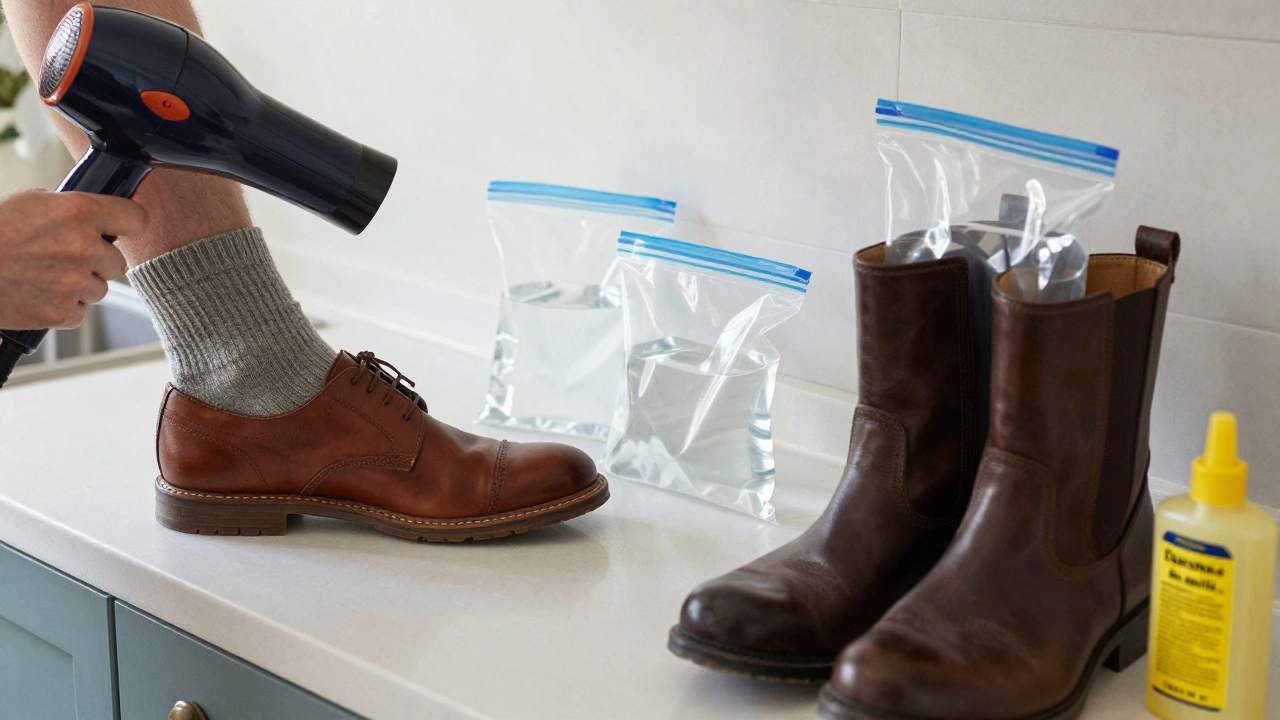
If you have a big event coming up-a wedding in Kilkenny or a job interview in Belfast City Hall-you might not have three weeks to spare. There are ways to speed up the break-in process, but you must be careful not to damage the leather.
- The Hairdryer Method: Put on thick socks and slip on your shoes. Use a hairdryer on medium heat to warm the tight areas of the shoe for about 30 seconds. Keep the dryer moving to avoid overheating any single spot. Flex your feet and wiggle your toes while the leather is warm. Once the shoes cool down, the leather will retain that stretched shape. Repeat this process daily until the fit improves.
- Freezer Method (Use with Caution): Fill two zip-top bags with water, seal them tightly, and place one in each shoe. Put the shoes in the freezer overnight. As the water freezes, it expands, gently stretching the leather. Remove the shoes the next day and let them thaw at room temperature. Note: This method works best for full-grain leather and should not be used on suede or glued constructions.
- Leather Conditioners: Applying a high-quality leather conditioner helps soften the fibres. Look for products containing beeswax or lanolin, which are readily available in stores like Boots or independent shoe repair shops across Ireland. Massage the conditioner into the stiff areas, let it absorb for 24 hours, then buff lightly. This adds flexibility without compromising the water resistance you need for rainy days.
Avoid These Common Mistakes
In my years dealing with footwear, I’ve seen many good shoes ruined by impatient owners. Here is what you should never do:
- Do Not Soak Them in Water: Some old wives’ tales suggest soaking leather shoes to soften them. This is disastrous. Water strips the natural oils from the leather, causing it to become brittle and crack once it dries. In Ireland, we have enough rain; don’t add more to your shoes intentionally.
- Do Not Use Excessive Heat: Never put leather shoes directly on a radiator or near a fireplace. High heat dries out the leather rapidly, leading to shrinkage and cracking. If you must use heat, keep it low and indirect, like with the hairdryer method.
- Do Not Ignore Fit Issues: If a shoe is genuinely too small, no amount of breaking in will fix it. Leather stretches width-wise more than length-wise. If your toes are jammed against the front, the shoe is the wrong size. Visit a professional fitter at a store like Brown Thomas or a local cobbler to get measured properly.
Maintaining Comfort After Break-In
Once your shoes are broken in, the job isn’t done. To keep them comfortable and extend their life, especially in our damp climate, regular maintenance is key.
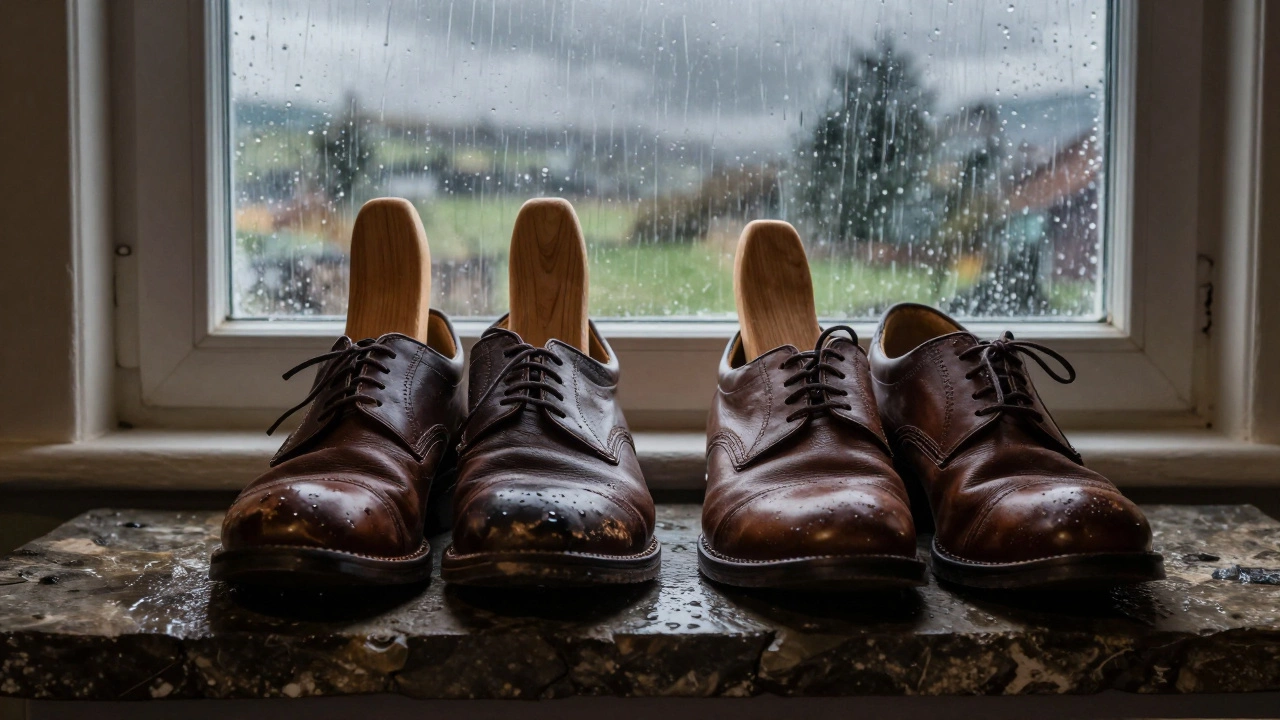
Rotate your shoes. Don’t wear the same pair two days in a row. Leather needs 24 hours to dry out completely after being worn. If you wear wet shoes repeatedly, the moisture breaks down the internal structure, leading to odor and deterioration. Having two pairs allows each to rest and recover.
Use cedar shoe trees. These absorb moisture and help maintain the shoe’s shape. They prevent creases from becoming permanent cracks and keep the interior fresh. You can find affordable cedar trees in most department stores or specialty shoe shops in cities like Limerick or Galway.
Finally, clean and condition your shoes every few months. Remove dirt with a damp cloth, apply a conditioner suitable for the leather type, and polish if necessary. This keeps the leather supple and ready for the next season of wear.
When to Seek Professional Help
Sometimes, despite your best efforts, certain parts of the shoe remain stubbornly stiff. This is where a local cobbler comes in handy. Ireland has a rich tradition of skilled shoemakers who can stretch specific areas of your shoe using professional machinery. They can also add cushioned insoles or heel pads to improve comfort without altering the external appearance.
If you’re attending a long event, consider asking a cobbler to pre-stretch the shoe based on your foot measurements. It’s a small investment that can save you from a night of discomfort. Many cobblers offer this service within a few days, making it a viable option for last-minute preparations.
Can I break in leather shoes in one day?
It is highly unlikely to fully break in high-quality leather shoes in just one day without risking damage to the material or injury to your feet. While aggressive methods like the hairdryer technique can provide some immediate relief, true molding to your foot shape takes repeated wear over several days. Attempting to rush the process often leads to blisters and cracked leather. Plan for at least a week of gradual wear for optimal results.
What is the best way to stretch leather shoes at home?
The safest and most effective home method is the hairdryer technique combined with thick socks. Wear the socks, put on the shoes, and apply medium heat to tight areas while flexing your feet. Another option is the freezer method, where bags of water expand inside the shoes as they freeze. However, always exercise caution with extreme temperatures to avoid damaging the leather’s integrity.
Does wearing leather shoes in the rain help break them in?
No, getting leather shoes wet is detrimental to the break-in process. Water removes natural oils, causing the leather to stiffen and potentially crack as it dries. Instead of relying on rain, use leather conditioners to soften the material safely. In Ireland’s climate, it is better to protect your shoes with waterproofing sprays rather than exposing them to moisture intentionally.
How often should I rotate my leather shoes?
You should rotate your leather shoes every other day. This gives the materials 24 hours to dry out completely and return to their original shape. Wearing the same pair consecutively traps moisture, leading to odor, fungal growth, and structural breakdown. Rotating shoes extends their lifespan and maintains comfort, especially important in humid environments.
Are all leather shoes difficult to break in?
Not necessarily. Suede and nubuck leathers tend to be softer and require less break-in time compared to full-grain leather. Additionally, shoes constructed with flexible soles and linings made from breathable materials like calfskin will generally be more comfortable from the start. Full-grain leather, while durable, is inherently stiffer and requires more patience to mold to your feet.