Suit Style & Fabric Analyzer
The Quick Verdict on Shine
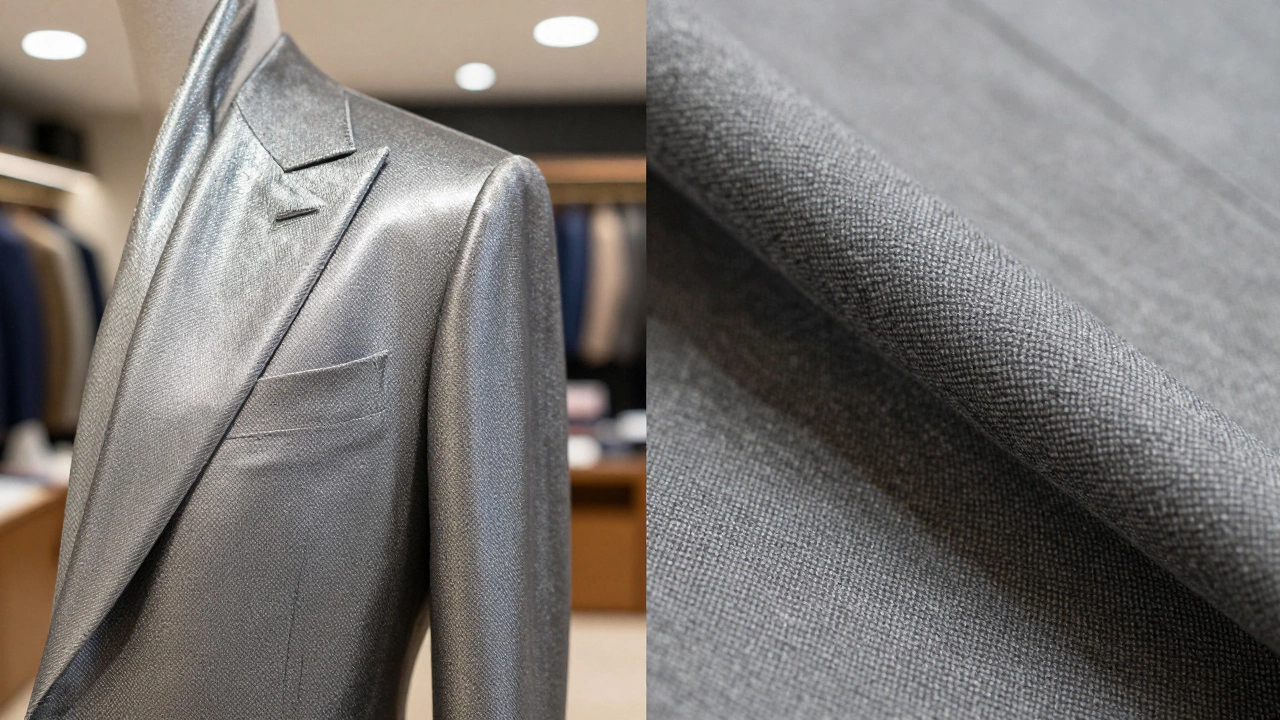
- The Bad Shine: High percentage of polyester or nylon. It looks plastic, traps heat, and often has a metallic sheen that screams "budget rental."
- The Good Shine: High-twist wool, silk blends, or mohair. This is a soft glow that suggests quality and depth of color.
- The Context: A shiny tuxedo is expected at a black-tie gala at the Convention Centre Dublin. A shiny navy suit at a Tuesday morning meeting in the IFSC is a mistake.
Understanding the Fabric Trap
Most people who worry about looking "cheap" are actually reacting to the material. When you see a suit that looks overly shiny under the harsh lights of a retail store in Dundrum or Liffey Valley, you're usually seeing Polyester. This synthetic fiber is cheap to produce and durable, but it doesn't breathe. In the humid Irish climate, a high-polyester suit is a nightmare-you'll be sweating through your shirt before the first course of the wedding breakfast is served.
On the other hand, Wool is the gold standard. Pure wool has a natural matte finish, but certain weaves, like a sharkskin or a fine worsted wool, have a natural luster. This isn't "shine" in the cheap sense; it's a sign of a tight, high-quality weave. If you're looking for something with a bit of a kick, Mohair is a fantastic choice. It's a fiber from the Angora goat that gives the suit a crisp look and a slight sheen, while also resisting wrinkles-perfect for those long car journeys from Cork to Donegal.
When the Shine Actually Works
Context is everything. If you are attending a formal event, like a high-profile charity ball in Dublin or a traditional black-tie wedding, a bit of shine is practically required. The Tuxedo (or dinner suit) relies on silk or satin for the lapels and the stripe down the leg. This contrast is a timeless style marker. Because it's a specific "uniform," the shine is seen as a luxury attribute rather than a cheap addition.
For a standard business suit, however, the goal is usually "low luster." If you're heading into a boardroom in the Docklands, you want a fabric that absorbs light rather than reflecting it. A matte charcoal or navy suit communicates stability and professionalism. If your suit has a visible shimmer in the daylight, it can make the garment look synthetic, regardless of how much you actually paid for it.
| Fabric Type | Visual Effect | Breathability | Vibe |
|---|---|---|---|
| Polyester Blend | Metallic/Plastic Shine | Low (Sweaty) | Budget/Cheap |
| 100% Worsted Wool | Soft, Natural Luster | High | Professional/Classic |
| Wool-Mohair Blend | Crisp, Elegant Sheen | Medium-High | Luxury/Sharp |
| Velvet | Deep, Rich Glow | Low | Bold/Evening |

The Fit Factor: How Fit Masks Fabric
Here is a secret: a cheap fabric that fits perfectly looks more expensive than a luxury fabric that fits poorly. If you buy a shiny suit off the rack and the shoulders are too wide or the trousers bunch up at the ankles, the shine will amplify those flaws. It draws the eye to the creases and the gaps. In Ireland, where many of us have varying builds-from the athletic rugby type to the more relaxed pub-goer-getting a suit tailored is non-negotiable.
If you find a suit you love but it has a slightly higher sheen than you'd like, a local tailor can't change the fabric, but they can sharpen the silhouette. Tapering the legs and nipping in the waist creates a streamlined look that shifts the focus from the "glow" of the fabric to the precision of the fit. This is why visiting a proper tailor in a place like Galway city or Kilkenny is always a better bet than relying on a generic size from a big-box retailer.
Avoiding the "Cheap" Look: Practical Tips
If you're shopping for a suit and aren't sure if the shine is crossing the line into "cheap" territory, use the Daylight Test. Store lighting is designed to make everything look great, but the gray, overcast light of a typical Irish afternoon is a brutal truth-teller. Take the garment to the window or step outside for a moment. If the fabric looks like it's made of plastic under the clouds, put it back.
Also, consider the color. Lighter colors like silver, light grey, or pale blue are much more prone to looking "cheap" when they have a synthetic shine. Darker tones like midnight navy, forest green, or charcoal hide the synthetic glow better. If you really want that high-fashion look, go for a deep jewel tone in a high-quality wool blend. It looks intentional and expensive rather than accidental and budget.
Styling to Balance the Sheen
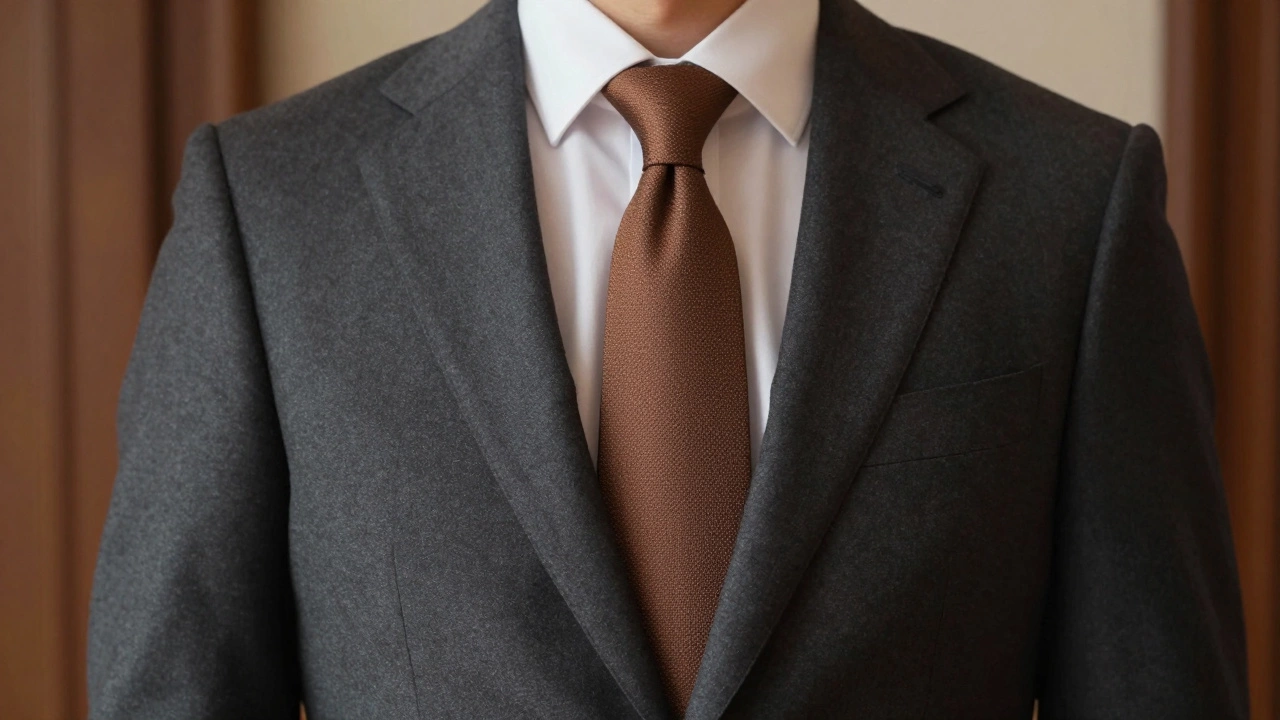
If you already own a suit with a bit of a shine and you're worried about it, balance it out with matte accessories. Pair a slightly shiny suit with a matte cotton shirt and a wool tie. If you wear a shiny suit, a shiny shirt, and shiny shoes, you'll look like you're wearing a costume. The key is contrast. A matte, textured tie (like a grenadine or a knit tie) breaks up the reflection and brings the overall look back down to earth.
When it comes to footwear, avoid the "patent leather" look unless you are literally wearing a tuxedo. A polished calfskin leather shoe provides a sophisticated glow without the mirror-like finish of patent leather. This keeps the outfit grounded. In the Irish context, where a smart-casual approach is often preferred even at weddings, mixing a slightly dressy suit with more understated accessories is the safest way to navigate the "cheap vs. chic" divide.
Does a shiny suit always look cheap?
No, not always. The key is the source of the shine. A natural luster from high-quality wool or a mohair blend looks expensive and sophisticated. A metallic, plastic-like shine from high polyester content is what typically looks cheap.
What is the best fabric for a non-shiny, professional suit?
100% worsted wool is the best choice for a professional look. It has a matte finish that is versatile for most business environments in Ireland, from corporate offices in Dublin to legal firms in the west.
Can I wear a shiny suit to a wedding?
Yes, especially for evening weddings or black-tie events. However, for a daytime wedding in a church or hotel, a matte or low-luster suit is generally more appropriate and looks more refined.
How can I tell if a suit is too polyester?
Check the care label. If polyester is the dominant fabric (over 30-40%), it's more likely to have that cheap, synthetic shine. Also, feel the fabric; polyester often feels smoother and "slicker" than wool, which has more texture.
Do dark colors hide the "cheap" shine better?
Generally, yes. Dark navy, charcoal, and black absorb more light, which masks the artificial glow of synthetic fibers. Lighter greys and blues reflect more light, making a cheap finish much more obvious.
Next Steps for Your Wardrobe
If you're unsure about your current suit, try taking it to a professional cleaner who also offers minor alterations. They see thousands of suits and can tell you honestly if the fabric is wearing thin or if the sheen is becoming too pronounced due to age. If you're looking to upgrade, start by investing in a versatile navy wool suit. It's the safest bet for any Irish occasion, from a job interview to a christening.
For those venturing into more experimental styles, consider a custom-made suit from a local Irish tailor. You can choose the exact fabric weight and luster, ensuring you get a piece that reflects your personality without looking like a cheap rental. Remember, the goal isn't to avoid shine entirely, but to ensure the shine you have is a sign of quality, not a shortcut in manufacturing.