Irish-US Footwear Translator & Size Converter
Confused by terms like "house shoes" or "moccasins" when shopping in the US? Or unsure if your UK/Irish size fits an American brand? Use this tool to translate your needs into American retail language and get accurate sizing.
Size Converter (UK/Ireland to US)
US Size Equivalent:
--
Find the Right Term
Suggested Search Terms:
If you’ve ever shopped for slippers in Galway or Dublin, you might have noticed a subtle disconnect when browsing international websites. You’re looking for cozy indoor footwear, but the site suggests "house shoes," "moccasins," or even "sandals." The confusion often stems from a simple linguistic divide: do Americans say slippers? And if so, what exactly do they mean by it compared to us here in Ireland?
The short answer is yes, Americans definitely use the word "slippers." However, the definition-and the type of shoe attached to that word-can differ significantly from the traditional Irish understanding. In Ireland, a slipper is almost exclusively a soft, open-backed or closed-toe shoe worn indoors for comfort. In the United States, while this definition exists, the term can sometimes be broader or replaced entirely depending on the region and the specific style of footwear. For Irish expats moving to New York or tourists buying gifts in Chicago, knowing these nuances prevents awkward shopping mishaps.
The Core Difference: Comfort vs. Function
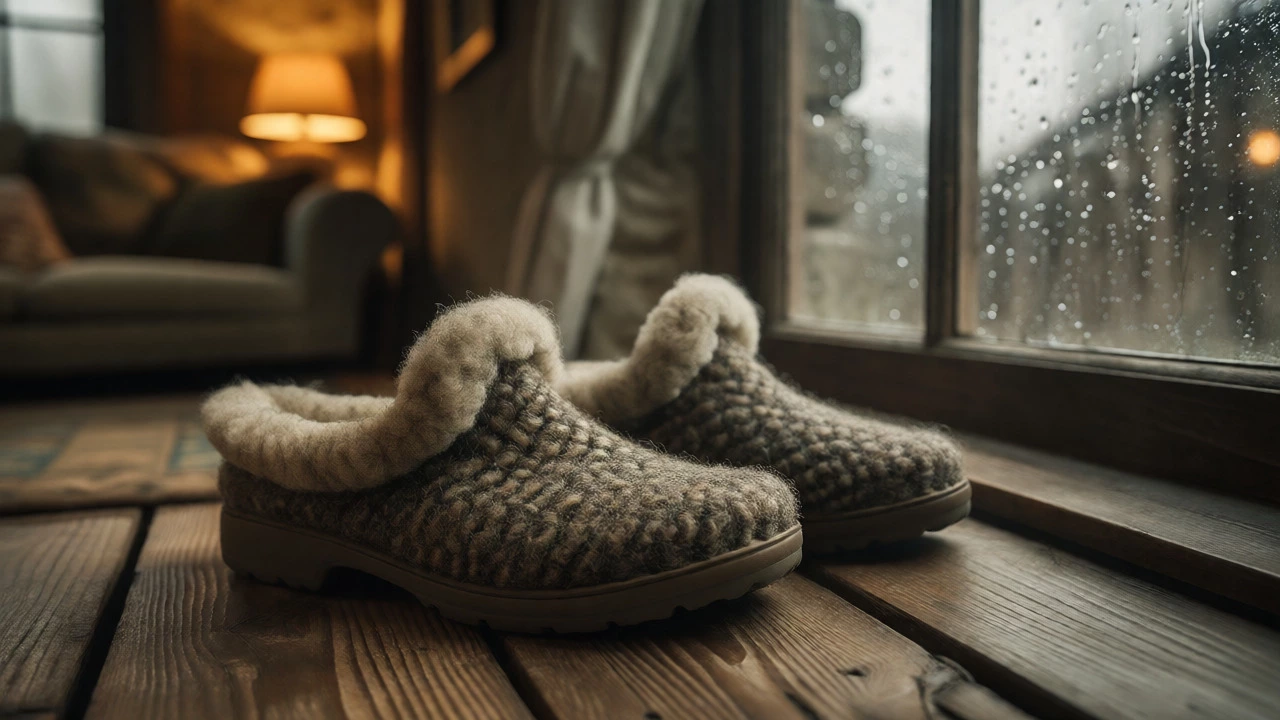
In Ireland, our relationship with slippers is deeply tied to the climate and home culture. We spend a lot of time indoors, often with heating running during the damp winters from November through March. Our slippers are designed for warmth and ease. Think of the classic wool-lined mule or the fleece-lined bootie you’d find in Penneys or Brown Thomas. They are strictly indoor items. You wouldn’t wear them to the local shop for milk, and you certainly wouldn’t wear them outside in the rain.
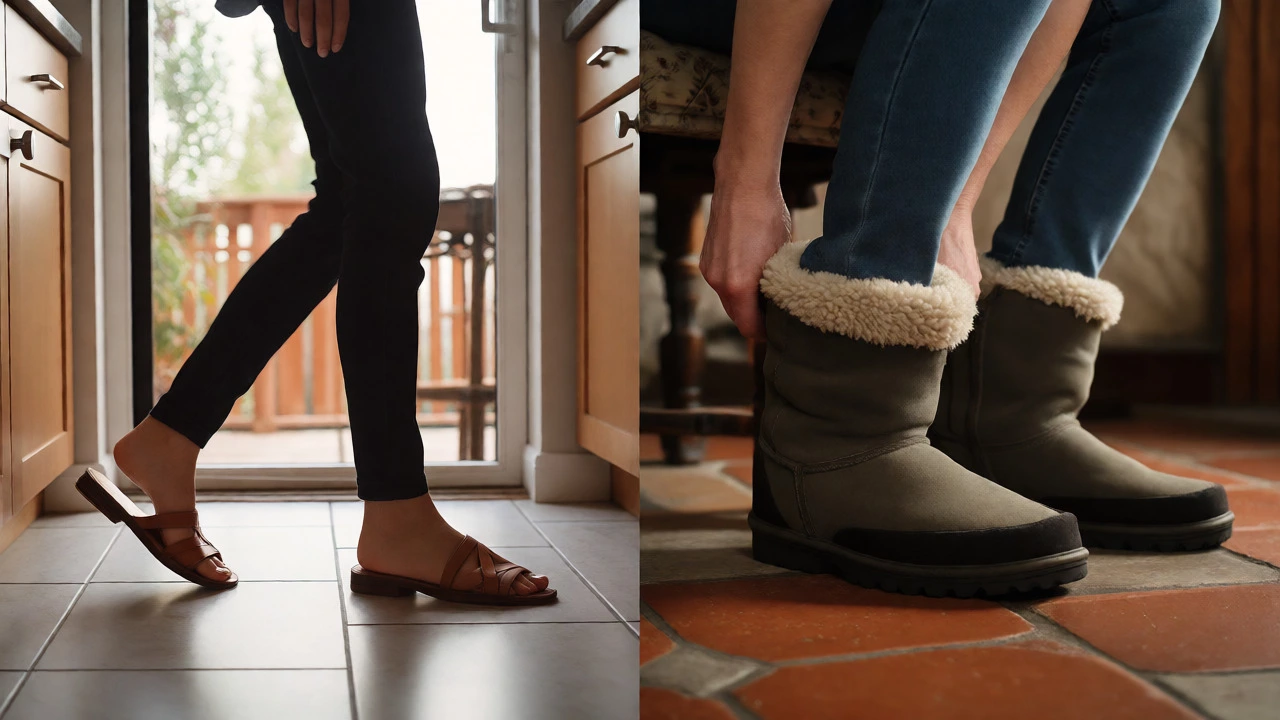
American usage is more varied. While many Americans also reserve "slippers" for indoor-only footwear, there is a stronger cultural acceptance of hybrid footwear. In warmer states like California or Florida, where outdoor living blends seamlessly with indoor spaces, people might wear stylish slide sandals or espadrilles both inside and just outside on a patio. These are often called "slippers" in marketing, but an Irish person might look at them and think, "Those are just sandals." Conversely, in colder regions like Minnesota or Boston, Americans might refer to heavy, insulated boots as "snow slippers" or "indoor-outdoor slippers," blurring the line between rugged footwear and loungewear.
Regional Variations Within the USA
Just as we have distinct dialects across Ireland-from Cork to Belfast-the US has regional preferences that affect footwear vocabulary. If you’re talking to someone from the Northeast, particularly New England, they likely share our strict definition: slippers are for the house. Brands like LL Bean or UGG dominate this market, selling plush, sheepskin-lined shoes that keep feet warm against drafty hardwood floors.
Head south to Texas or Georgia, and the conversation changes. Here, "slippers" might refer to any casual, easy-on-easy-off shoe. A pair of leather slides worn to the mailbox could be called slippers. This isn’t about correctness; it’s about context. When shopping online from an Irish address, checking the product description for keywords like "indoor only," "non-marking sole," or "washable" helps clarify whether the item fits your definition of a slipper or if it’s actually a casual outdoor sandal.
Common Terms Americans Use Instead of "Slippers"
If you search for "slippers" on a major US retailer like Amazon or Walmart and don’t find what you want, try these alternative terms. Each targets a slightly different niche of the footwear market:
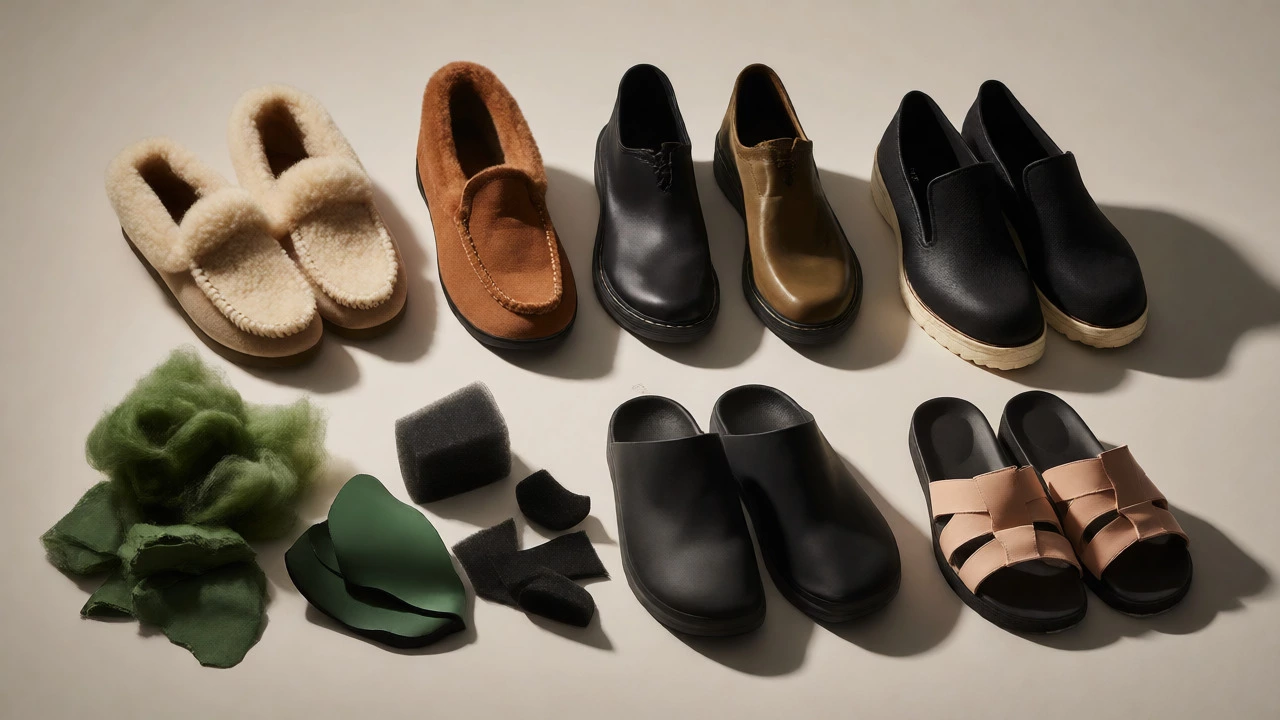
- House Shoes: This is the most common synonym in the US. It implies a structured shoe, often with a back, designed specifically for indoor use. Unlike the loose-fitting Irish slipper, house shoes usually fit more like regular sneakers but with softer materials.
- Moccasins: Traditionally associated with Native American craftsmanship, this term now covers soft-soled, hand-stitched leather shoes. Many Americans wear these as slippers because they mold to the foot over time. If you prefer a snug fit without bulk, this is your category.
- Slides: Open-toed, backless sandals. While we might call these beach shoes, Americans frequently wear them indoors, especially in warmer months. They are less insulating than Irish slippers but offer better ventilation.
- Ballet Flats (Indoor): Sometimes marketed as "ballet slippers," these are thin-soled shoes meant for light movement around the house. They lack the cushioning of typical Irish slippers and are more fashion-forward than functional.
Why Irish Slippers Are Unique
Ireland produces some of the world’s best traditional footwear, largely due to our heritage in tanning and textile manufacturing. Counties like Clare and Donegal have long histories of crafting durable, comfortable shoes. Irish slippers often feature high-quality wool from local farms, providing natural temperature regulation that synthetic materials can’t match. This is why brands like GAA (Gaelic Athletic Association) merchandise or local artisans’ creations are prized not just for their aesthetics, but for their practicality in our wet, cool climate.
Americans are increasingly aware of this quality. There’s a growing trend in the US for "heritage footwear," where consumers seek out products made in countries with strong craft traditions. An Irish-made slipper sold in Brooklyn might carry a premium price tag because buyers associate it with authenticity and durability. If you’re sending gifts abroad, highlighting the origin-"Handmade in Ireland"-adds significant value.
Shopping Tips for Cross-Atlantic Buyers
Whether you’re an American visiting Ireland or an Irish person ordering from the US, here’s how to navigate the terminology gap:
| Feature | Irish Context | American Context |
|---|---|---|
| Primary Term | Slippers | Slippers, House Shoes, Moccasins |
| Typical Design | Soft, often open-back, wool/fleece lined | Structured, closed-back, memory foam/synthetic |
| Usage Scope | Strictly indoor | Indoor, plus casual outdoor (patio/errands) |
| Climate Influence | High emphasis on warmth and moisture-wicking | Varies: Warmth in North, Breathability in South |
| Popular Materials | Wool, Leather, Cotton | Suede, Faux Fur, Memory Foam, Rubber |
When reading reviews, pay attention to comments about sizing. American sizes often run larger than UK/Irish sizes. A size 7 in the US is roughly equivalent to a size 5 in the UK. Always check the conversion chart. Also, note the sole material. Irish slippers often have rubber soles for grip on tiled floors, which is crucial given our prevalence of hard flooring. Some US "slippers" have felt or suede soles that can be slippery on polished wood-a hazard in a busy household.
Cultural Nuances: Gift-Giving and Hospitality
In Ireland, offering guests a pair of spare slippers is a sign of hospitality. It says, "Make yourself at home." This tradition is less universal in the US. While some hosts provide slippers, many Americans expect guests to bring their own or simply walk barefoot or in socks. If you’re hosting American visitors in your Irish home, providing clean, cozy slippers will likely delight them-it’s seen as extra care rather than an obligation.
Conversely, if you’re gifting slippers to an American friend, consider the recipient’s lifestyle. For a tech worker in Seattle who rarely leaves the house, a high-end heated slipper might be perfect. For a socialite in Miami who spends weekends at beach clubs, a chic leather slide would be more appropriate. Knowing their environment helps you choose the right type of "slipper" for their needs.
The Future of Indoor Footwear
As remote work becomes permanent for many, the line between office attire and home wear continues to blur. In Dublin and Cork, we see more people working from kitchen tables in smart-casual clothes. This shift influences footwear demand. People want shoes that look presentable on a video call but feel like slippers on the feet. Manufacturers in both Ireland and the US are responding with hybrid designs: sleek exteriors with plush interiors.
This convergence benefits consumers everywhere. We get access to innovative materials like breathable bamboo fibers and ergonomic arch support, traditionally found in athletic shoes, now applied to domestic footwear. Meanwhile, Americans gain appreciation for traditional craftsmanship and natural materials, leading to increased imports of Irish wool products.
So, do Americans say slippers? Yes, but they use the word loosely. For us in Ireland, the term remains precise and rooted in comfort and climate adaptation. Understanding this difference doesn’t just help with shopping-it offers a small window into how geography and culture shape even the simplest everyday objects.
What do Americans call slippers?
Americans commonly use the term "slippers," but also frequently use "house shoes," "moccasins," or "slides" depending on the style. "House shoes" typically refers to structured, closed-back indoor footwear, while "moccasins" describes soft-soled leather shoes.
Can I wear Irish slippers outside in the US?
It depends on the sole. Most traditional Irish slippers have rubber soles suitable for brief outdoor trips, like walking to a car or mailbox. However, felt or suede-soled slippers should remain indoors to avoid damage and slipping hazards.
Are US shoe sizes the same as Irish sizes?
No. US sizes are generally two numbers higher than UK/Irish sizes for women (e.g., US 8 = UK 6) and one number higher for men (e.g., US 9 = UK 8). Always verify with a brand-specific conversion chart before purchasing.
Why are wool slippers popular in Ireland?
Ireland’s damp, cool climate makes wool ideal because it regulates temperature and wicks moisture away from the skin. Additionally, Ireland has a strong heritage of wool production and textile craftsmanship, making high-quality wool slippers locally accessible and affordable.
Is it rude to go barefoot in an American home?
Not necessarily. Many Americans remove shoes upon entering a home, preferring bare feet or socks. However, wearing clean indoor shoes or slippers is always polite and appreciated, especially in households with young children or elderly residents.