
Summer Black Outfit Comfort Calculator
Wearing black in summer isn't about the color alone—it's about science. This tool helps you determine if your outfit will keep you cool or leave you sweating, based on the principles of breathability, airflow, and moisture management.
Comfort Assessment
0%Styling Tips for Your Scenario
You’re standing in front of your wardrobe in Galway, staring at a pile of linen and cottons, wondering if you can actually pull off that little black dress when the temperature hits twenty degrees. It’s a common dilemma, especially here in Ireland where our summers are famously unpredictable. One minute it’s grey drizzle, the next it’s a scorching heatwave that has everyone rushing to Salthill for a swim. The old rulebook said black was strictly for winter, but let’s be honest: those rules were written before we had air conditioning and better fabric technology. So, can you wear black in summer? Absolutely. But doing it right requires a bit more than just tossing on your favorite t-shirt.
The Myth vs. Reality of Heat Absorption
We’ve all heard the science lesson: black absorbs heat, white reflects it. Technically, this is true. If you stand under a spotlight with a black shirt and a white shirt, the black one gets hotter faster. But does that mean you’ll overheat while walking through St. Stephen’s Green or sitting in a pub in Dublin? Not necessarily. The difference in surface temperature rarely translates to a noticeable increase in body core temperature unless you’re hiking up Croagh Patrick in full gear. What actually matters more is how the fabric interacts with your skin and how much airflow reaches you.
Think about traditional Bedouin robes in the desert. They’re often black or dark-colored, yet they keep the wearer cool. Why? Because loose-fitting garments allow hot air to rise and escape, creating a chimney effect. If you’re wearing a tight black synthetic top, yes, you’ll feel sticky. But if you’re wearing a flowy black midi dress made of natural fibers, you might actually stay cooler than someone in a tight white polyester blend. The key isn’t the color itself; it’s the combination of cut, material, and fit.
| Fabric Type | Breathability | Moisture Wicking | Best For |
|---|---|---|---|
| Linen | High | Moderate | Hot days, casual outings |
| Cotton (Poplin) | Medium-High | Moderate | Office wear, smart casual |
| Silk | High | Low | Evenings, formal events |
| Polyester Blends | Low | Variable | Avoid in high heat |
| Tencel/Lyocell | High | High | Active days, humid weather |
Choosing the Right Fabric Matters More Than Color
If you live in Ireland, you know humidity is a bigger factor than pure heat. Our damp air clings to clothes, making heavy synthetics feel like plastic wrap. When selecting black summer dresses or tops, look for natural fibers. Linen is king here. It wrinkles easily, sure, but that’s part of its charm and practicality. It allows air to circulate freely against your skin. Brands like Gorman or local boutiques in Dublin’s Temple Bar often stock high-quality linen blends that hold their shape better than cheap alternatives.
Cotton poplin is another solid choice. It’s crisp, lightweight, and doesn’t cling. Avoid anything labeled "polyester" or "acrylic" unless it’s a tiny percentage in a blend. Synthetic materials trap sweat against your skin, which leads to that uncomfortable clammy feeling. Tencel, also known as Lyocell, is a game-changer. It’s made from wood pulp, feels silky, and wicks moisture away efficiently. You’ll find it in many modern sustainable fashion lines available in Irish stores. It breathes well even in tight cuts, making it perfect for fitted black dresses.
Fit and Silhouette Are Your Best Friends
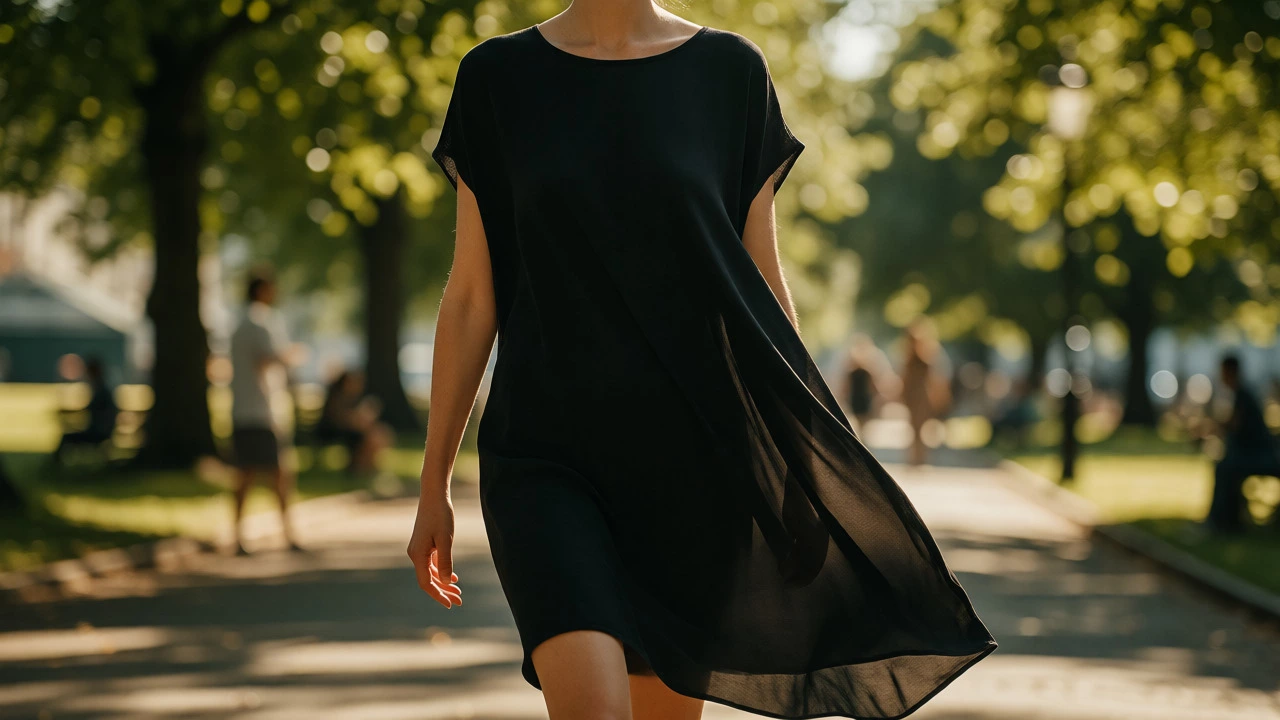
Tight clothing restricts airflow. If you’re wearing a body-con black dress during a heatwave, you’re going to feel it. Opt for looser silhouettes. A-line skirts, shift dresses, and wide-leg trousers allow space between the fabric and your body. This gap acts as an insulating layer that keeps you comfortable. In Galway, where the wind can pick up quickly near the coast, a flowing maxi dress in black looks elegant and protects you from sudden breezes without trapping heat.
Consider sleeve length too. Sleeveless is obvious, but don’t ignore three-quarter sleeves or cap sleeves. They protect your shoulders from sunburn while still allowing ventilation. If you’re heading to a wedding in Cork or a garden party in Kildare, a black midi dress with sheer sleeves strikes the right balance between style and comfort. Remember, covering up doesn’t always mean overheating if the fabric is light enough.
Styling Black for Day vs. Night
Context changes everything. Wearing head-to-toe black at noon on a sunny Saturday in Tralee might feel intense. But wearing it in the evening? That’s chic. Transition your look by changing accessories. During the day, break up the black with lighter colors. Pair a black skirt with a white linen shirt or a pastel blouse. Add metallic jewelry-gold or silver reflects light and adds brightness to your outfit. Sunglasses aren’t just for eye protection; they’re a styling tool that signals "summer mode."
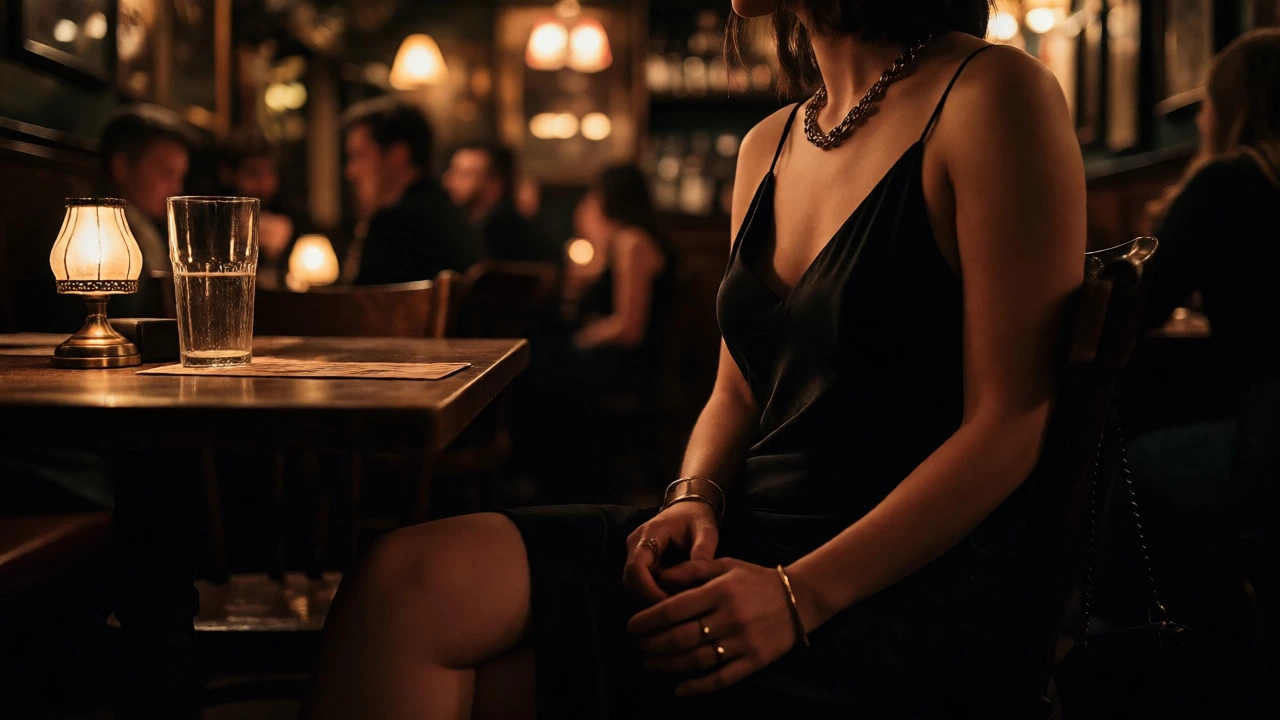
At night, go bold. A sleek black jumpsuit or a slip dress works perfectly for dinner in Dublin’s city center or drinks in Belfast’s Cathedral Quarter. The lack of daylight means you won’t absorb solar radiation, so you can embrace darker tones fully. Just ensure your venue isn’t overly crowded or poorly ventilated. Irish pubs can get warm when packed, so choose breathable layers if you plan to stay late.
Local Climate Considerations
Ireland’s weather is notoriously fickle. You might start the day in rain and end it in sunshine. Black dries slower than lighter colors if it gets wet, so check the forecast. If there’s a chance of drizzle, avoid suede or heavy velvet blacks. Stick to washable cottons or linens that handle moisture well. Also, consider the UV index. While black offers some protection, it doesn’t block all rays. Always apply sunscreen regardless of your outfit choice.
For tourists visiting the Cliffs of Moher or exploring the Wild Atlantic Way, practicality is key. Dark colors hide dirt and dust better than white, which is useful when you’re hopping out of cars onto grassy trails. However, if you’re planning a beach day, remember that black swimsuits can get quite hot in direct sunlight. Have a cover-up ready to throw on when you’re not in the water.
Common Pitfalls to Avoid
- Ignoring Undergarments: Visible panty lines or bra straps ruin any outfit. Choose nude or seamless underwear under black dresses to maintain a clean look.
- Wrong Shoes: Heavy boots with a summer dress look out of place. Swap them for sandals, espadrilles, or loafers to keep the vibe light.
- Over-accessorizing: Too many shiny pieces can overwhelm a simple black dress. Less is more. Let the silhouette speak for itself.
- Neglecting Maintenance: Black fades in the sun. Wash cold and inside out to preserve the depth of color. Use detergents designed for darks to prevent greying.
Final Thoughts on Confidence
Ultimately, fashion is personal. If you feel confident and comfortable in black, wear it. Ignore outdated rules. Many people in Ireland prefer neutral palettes year-round because they’re versatile and easy to mix and match. A capsule wardrobe based on black, white, and beige saves time and money. Just prioritize quality fabrics and thoughtful cuts. Whether you’re attending a festival in Galway or having coffee in Limerick, you can rock black without breaking a sweat-if you do it smartly.
Does black really make you hotter in summer?
Technically, black absorbs more heat than lighter colors, but the impact on your body temperature depends heavily on the fabric and fit. Loose, breathable natural fibers like linen or cotton in black can be just as cool as white versions because they allow air circulation. Tight synthetic black clothing will likely make you feel hotter due to trapped sweat and poor ventilation.
What is the best fabric for black summer dresses in Ireland?
Linen and Tencel (Lyocell) are excellent choices for Irish summers. Linen is highly breathable and handles humidity well, though it wrinkles easily. Tencel is smooth, moisture-wicking, and resists wrinkling better than linen. Cotton poplin is another good option for structured dresses. Avoid heavy polyester or acrylic blends as they trap heat and moisture.
How do I style black for daytime events in Ireland?
To keep daytime black outfits fresh, pair them with light-colored accessories like white shoes, a straw hat, or a pastel bag. Choose lighter weights and looser fits to promote airflow. Breaking up the monochrome look with metallic jewelry or a patterned scarf can also add visual interest and reduce the heaviness of the color.
Is black suitable for Irish weddings?
Yes, black is increasingly acceptable for weddings in Ireland, especially for evening ceremonies or semi-formal events. Ensure the dress code permits it and choose elegant fabrics like silk or chiffon. Avoid overly casual black t-shirts or jeans. Adding colorful accessories can help soften the look for daytime celebrations.
How do I care for black clothes in summer?
Wash black clothes in cold water to prevent fading and shrinkage. Turn them inside out before washing to protect the outer surface from abrasion. Use a detergent formulated for dark colors. Air dry in the shade rather than direct sunlight, as UV rays can bleach black fabrics over time. Iron on low heat if necessary, preferably inside out.