Irish Leather Shoe Finder
Find the perfect pair of leather shoes tailored to your lifestyle and the unpredictable Irish weather.
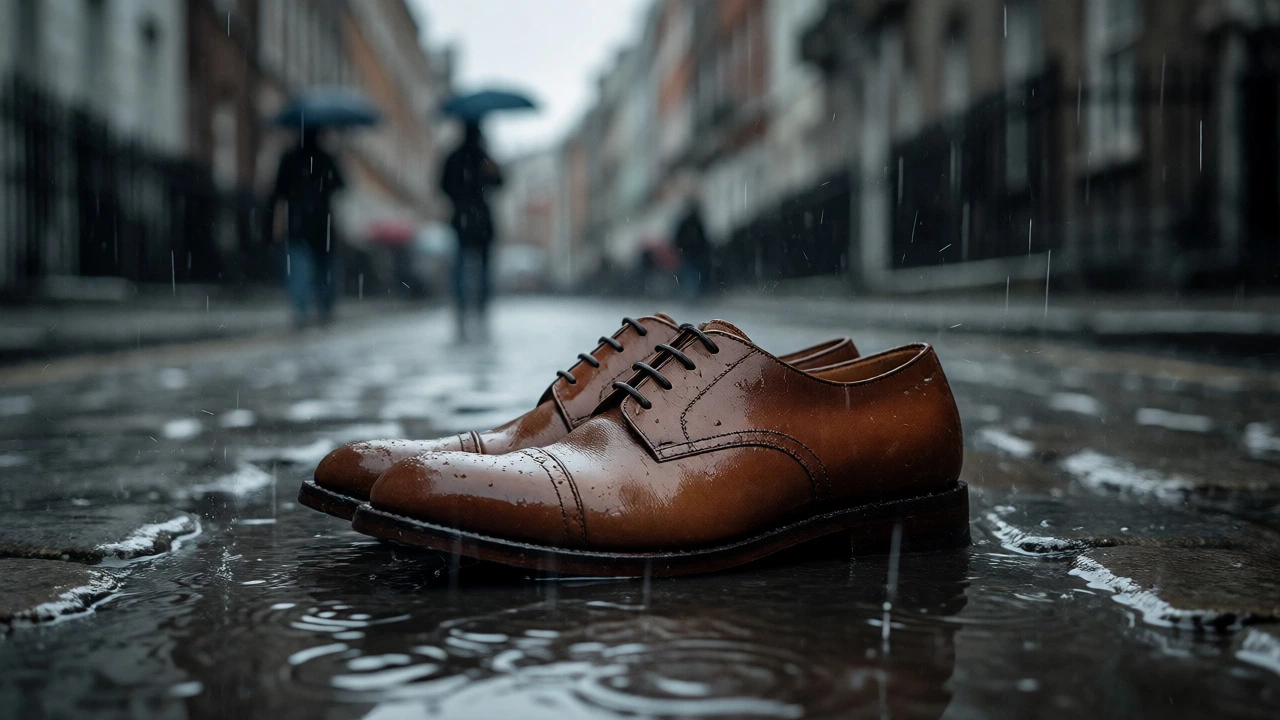
You know the feeling. You step out of your front door in Galway or Dublin, and within ten minutes, your expensive new leather shoes are soaked through. The rain here doesn’t just fall; it attacks from the side, finding every seam and weak point in a sole. If you’re buying leather footwear in Ireland, you aren’t just looking for style-you’re looking for survival gear that happens to look good. The question isn’t just "which brand is best?" It’s which brand can handle our damp climate, our cobblestones, and our budget without falling apart after one winter.
Understanding Leather Quality Before You Buy
Before we name names, you need to know what you’re actually paying for. Not all leather is created equal, and Irish retailers often use marketing fluff to hide poor construction. The gold standard remains full-grain leather. This is the top layer of the hide, untouched by sanding or buffing. It retains the natural grain, which means it’s tougher, more water-resistant, and ages beautifully. Think of it like a good whiskey-it gets better with time. Full-Grain Leather is the highest quality leather grade, characterized by its durability, breathability, and ability to develop a patina over time. Unlike corrected grain, it shows natural scars and wrinkles, proving its authenticity. Avoid "genuine leather" if you want longevity. In industry terms, "genuine" often means split leather-the lower layers of the hide coated in plastic. It peels, it cracks, and it hates the Irish damp. When you’re browsing shops on Grafton Street or online, flip the shoe inside out. If the lining feels like cheap synthetic fabric, walk away. You want leather linings or at least high-quality cotton canvas to manage moisture from your feet.
The Construction Method Matters More Than the Brand
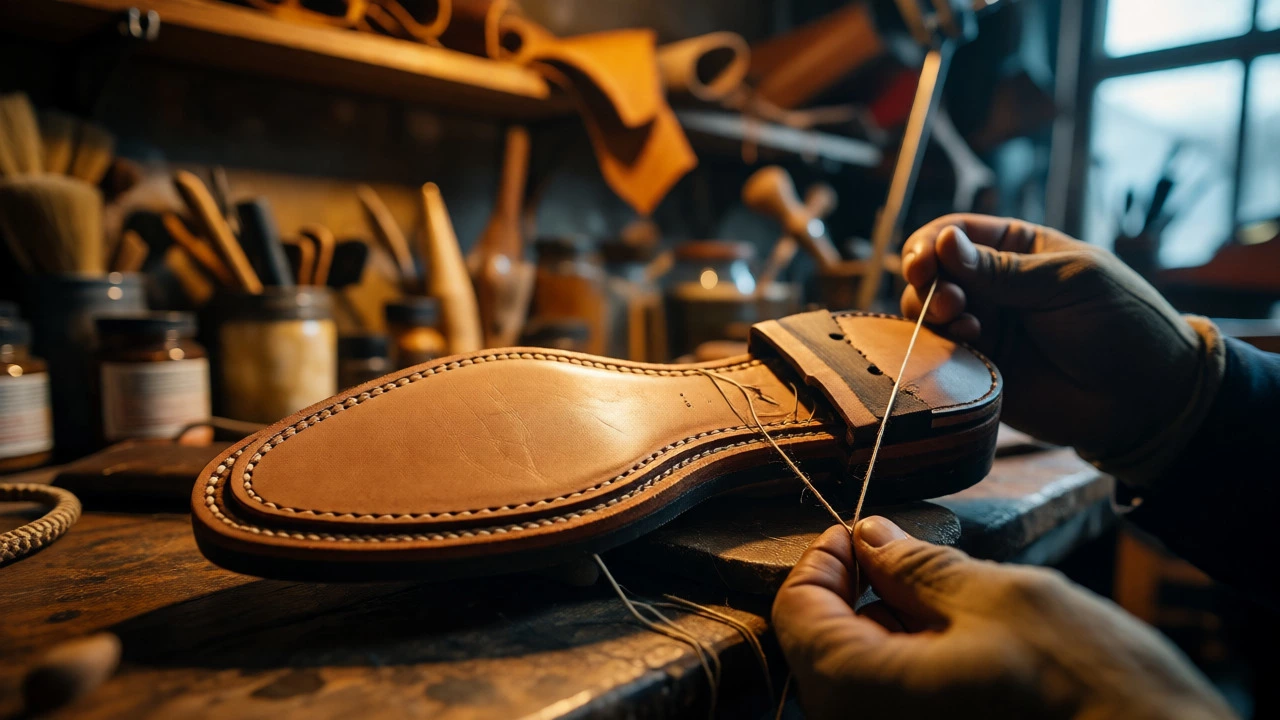
A brand label won’t save you if the shoe is glued together. For rainy climates, construction method is critical. Look for Goodyear Welted shoes, which are constructed using a strip of leather stitched between the upper and the sole, allowing for resoling and superior water resistance. This method creates a barrier against water ingress and lets you send the shoes back to the cobbler when the soles wear down. In Ireland, where we might walk miles on wet pavement, this is non-negotiable for serious buyers.
Blake stitching is another option. It’s lighter and more flexible than Goodyear welt but offers less protection against deep puddles because the thread goes directly through the insole. If you’re commuting via Luas or DART and walking through station platforms that flood easily, stick to Goodyear welt. If you’re mostly office-based with a short drive, Blake is fine. But for the average Irish commuter facing November gales? Goodyear wins every time.
Top International Brands Available in Ireland
You don’t need to fly to London or buy direct from America to get great shoes. Several global giants have strong distribution networks here, either through major department stores like Arnotts or Brown Thomas, or specialized independent retailers.
| Brand | Price Range (EUR) | Best For | Irish Availability |
|---|---|---|---|
| Clarks | €100 - €180 | Everyday comfort & casual wear | High (Clarks stores nationwide) |
| Ecco | €150 - €250 | All-day standing & wet weather | High (Ecco outlets in major cities) |
| Loake | €250 - €400 | Formal business attire | Medium (Specialist menswear shops) |
| Meermin | €200 - €300 | Value-for-money Goodyear welt | Low (Primarily online shipping) |
Ecco is a Danish footwear company known for integrating tanning and manufacturing, resulting in durable, comfortable leather shoes suitable for varied terrains. They are ubiquitous in Irish shopping centers. Their direct-injection molding makes their soles incredibly tough against rough urban surfaces. If you work on your feet-say, in retail in Cork or hospitality in Killarney-Ecco is the pragmatic choice. They aren’t flashy, but they keep your feet dry and supported.
For formal occasions, Loake is a British heritage shoemaker offering entry-level Goodyear welted options that provide excellent value for money. Loake has been making shoes since 1880. While they are British, their availability in Ireland is decent through independent tailors and online retailers that ship quickly across the border. Their "1880" line is a solid starter for anyone needing oxfords for weddings or board meetings. Just be aware: they run narrow. If you have wide feet, typical of many Irish men, you’ll need to size up or look for specific wide-fit models.
Supporting Irish Shoemakers and Local Heritage
We shouldn’t ignore our own. Ireland has a rich history of leather crafting, particularly in Kilkenny and Limerick. While mass-market brands dominate sales, supporting local artisans ensures you’re getting something built with care and knowledge of local conditions.
Consider Nichols Footwear, based in Galway, who craft bespoke and ready-to-wear leather shoes focusing on traditional techniques and local materials. Buying from Nichols isn’t just about the product; it’s about the service. You can get fittings adjusted properly, something you rarely get in a chain store. Their boots are designed for the West Coast weather-higher shafts, robust soles, and treated leathers that resist salt spray if you live near the coast.
Another nod goes to Kilmore Shoes, an Irish brand specializing in comfortable, orthopedic-friendly leather footwear made with attention to foot health. Based in County Wexford, Kilmore understands the needs of older demographics and those with specific foot issues. Their designs prioritize arch support and cushioning, crucial if you’re navigating uneven historic streets in Dublin or Cobh. These aren’t fashion statements; they’re practical investments in mobility.
Caring for Leather in the Irish Climate
Here’s the hard truth: no matter how much you spend, your shoes will die young if you don’t maintain them. The Irish humidity is a double-edged sword. It keeps leather supple, but constant dampness breeds mold and warps soles. You need a routine.
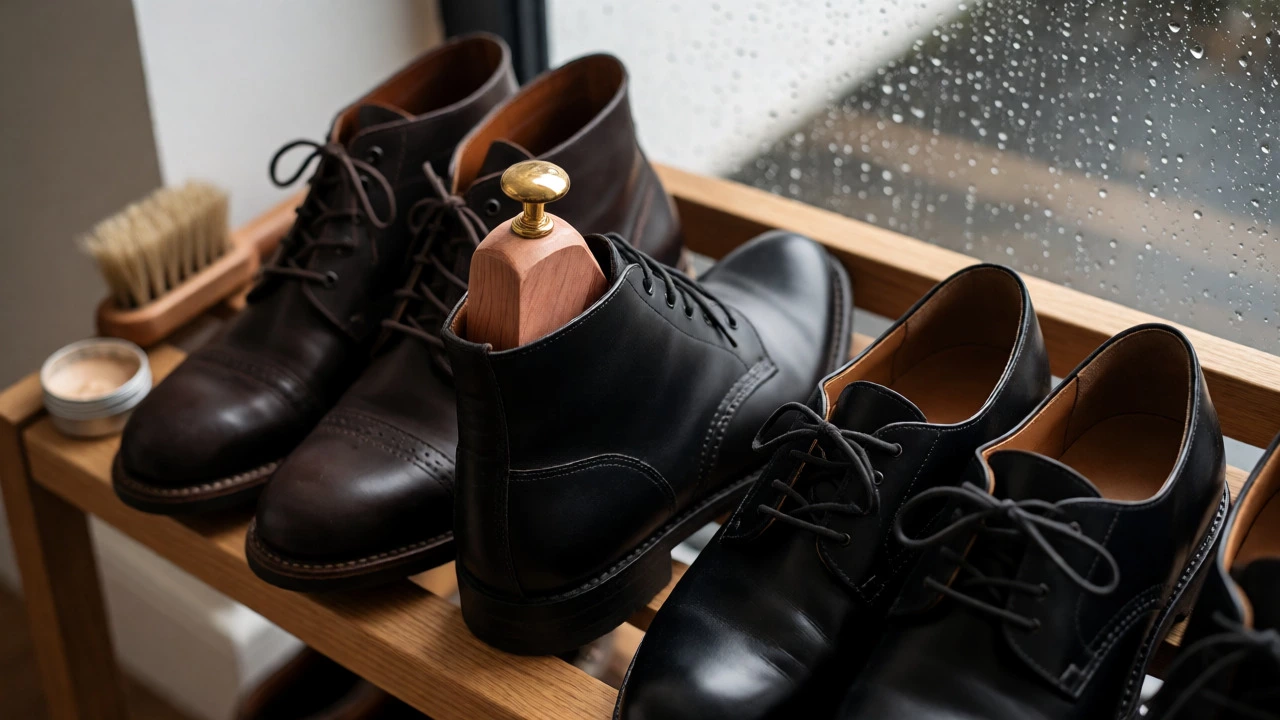
- Dry Naturally: Never put wet shoes near a radiator. Heat dries leather too fast, causing cracks. Stuff them with newspaper to absorb moisture and let them air-dry in a well-ventilated room.
- Use Cedar Trees: Invest in cedar shoe trees. They absorb residual moisture and maintain shape. In a damp house, this is essential.
- Condition Regularly: Use a neutral cream polish monthly. Avoid silicone-based sprays; they block pores. Saphir Renovateur is a favorite among enthusiasts for its ability to nourish without darkening the leather.
- Rotate Your Pairs: Don’t wear the same pair two days in a row. Give them 24 hours to dry out completely. If you only have one pair, you’re asking for trouble.
If you’re caught in a sudden downpour while wearing suede, don’t panic. Let it dry fully, then brush it gently with a suede brush. Never apply wax polish to suede. For smooth leather, a quick wipe with a damp cloth followed by conditioning will restore the shine.
Where to Buy: Online vs. High Street
Buying online gives you access to brands like Meermin or Alden, which might not have physical stockists nearby. However, sizing is a gamble. Irish feet vary widely, and European sizing standards can differ slightly from UK or US equivalents. Always check the retailer’s return policy. Some Irish online stores offer free returns, which is vital when trying on different widths.
Physical stores still hold value. Trying on shoes allows you to test the fit immediately. Visit independent shops in city centers like Ballinasloe or Ennis. Shop owners there often have decades of experience and can tell you exactly which model suits your foot shape. Plus, you can ask for advice on local repair services. Many towns still have skilled cobblers who can replace heels and resole Goodyear welted shoes, extending their life by years.
Final Verdict: Which Brand Should You Choose?
If you want unbeatable comfort for daily commutes and wet weather, go with Ecco. If you need formal shoes for business or weddings and want durability, Loake or Meermin are excellent choices. If you want to support local craftsmanship and need custom fits, look at Irish makers like Nichols or Kilmore. There is no single "best" brand. The best brand is the one that fits your foot, suits your lifestyle, and can withstand the relentless Irish rain.
Are waterproof leather shoes necessary in Ireland?
Yes, especially if you commute on foot or public transport. Look for shoes with sealed seams and rubber soles rather than pure leather soles, as leather soles become slippery and degrade faster when constantly wet. Gore-Tex lined leather shoes are also a popular option for extreme wet conditions.
How do I find my correct shoe size for Irish brands?
Measure your feet at the end of the day when they are largest. Compare your measurements in millimeters to the brand’s specific size chart, as sizes vary significantly between manufacturers. If possible, try them on in-store or order multiple sizes from online retailers with easy return policies.
Is it worth repairing leather shoes in Ireland?
Absolutely, if they are Goodyear welted. Resoling costs typically range from €60 to €100 depending on the cobbler and sole type. Given that quality leather shoes last 5-10 years with proper care and resoling, it is far more cost-effective and sustainable than buying cheap replacements annually.
What is the difference between Oxford and Derby shoes?
Oxfords have closed lacing systems, making them sleeker and more formal. Derbys have open lacing, providing more room across the instep. For wider feet common in some populations, Derbys are often more comfortable. Oxfords are preferred for black-tie events, while Derbys are versatile enough for smart-casual office wear.
Can I wear leather shoes in heavy rain?
You can, but you must treat them beforehand with a wax-based conditioner or waterproofing cream. Avoid soaking them repeatedly. After exposure to rain, let them dry naturally away from heat sources and condition them once dry to prevent cracking.