Jacket Color Style Guide
Select a color to see the best pairings and the ideal occasion for your look.
The Vibe
-
Ideal Pairing
-
Best Occasion
-
Quick Takeaways for Your Next Purchase
- Navy Blue: The gold standard for versatility and professionalism.
- Olive Green: A natural neutral that complements the Irish landscape.
- Charcoal Grey: The safest bet for urban environments like Dublin or Cork.
- Camel/Tan: Adds warmth and sophistication to any outfit.
- Burgundy: A rich accent color that works across all skin undertones.
The Power of Navy Blue
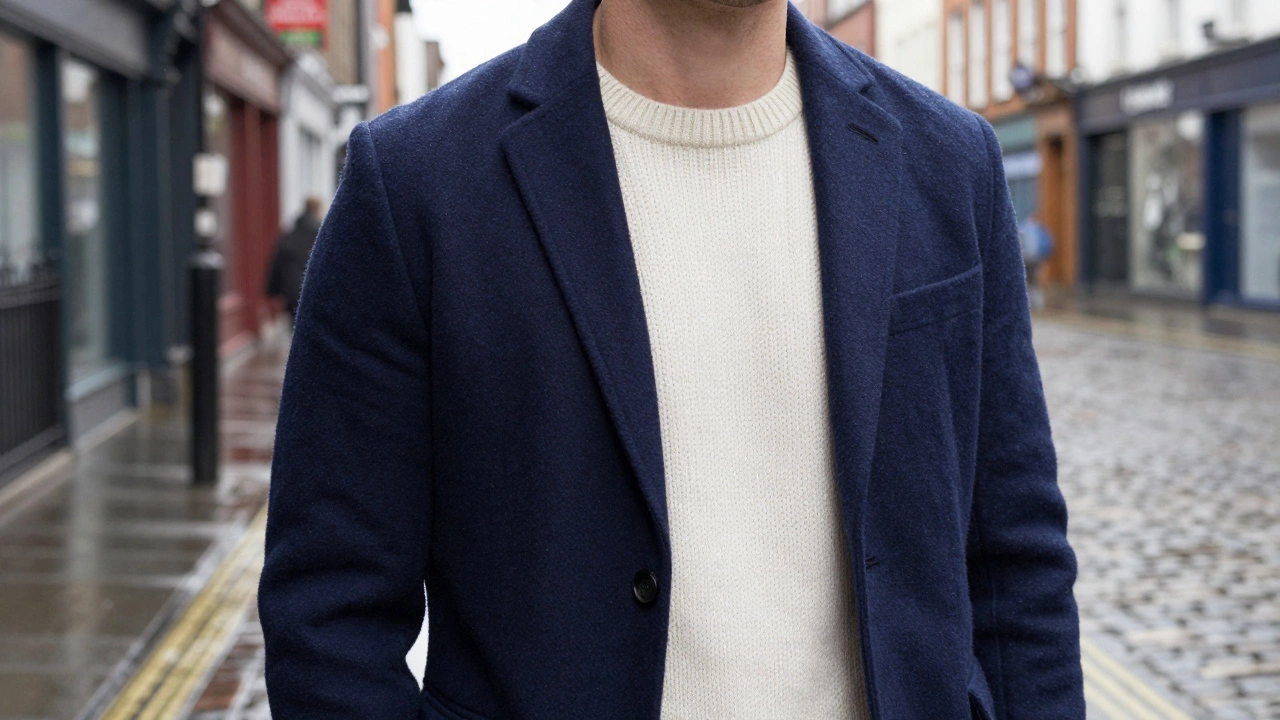
If you only own one jacket, make it navy. Navy Blue is a deep, dark blue that sits perfectly between the starkness of black and the brightness of royal blue. It is widely considered a universal color because it doesn't clash with the cool undertones common in many Irish complexions, nor does it wash out those with warmer skin.
Think about how navy looks against a crisp white shirt or a chunky cream knit sweater from an Aran Islands shop. It creates a contrast that is sharp but not aggressive. Unlike black, which can sometimes look too harsh or "funeral-like" under the flat, white light of a rainy Tuesday in Galway, navy maintains a richness that feels approachable. It's the ideal choice for a smart-casual look, whether you're heading to a business meeting in the Docklands or a casual dinner in Kinsale.
Olive Green: The Natural Neutral
While we usually think of neutrals as beige or grey, Olive Green acts as a neutral in the world of outerwear. It's a muted, earthy tone that mimics the greens of the Burren or the rolling hills of Kerry. Because it contains both yellow and blue pigments, it bridges the gap between warm and cool skin tones effortlessly.
An olive green field jacket or a waxed cotton coat is a staple for a reason. It doesn't scream for attention, but it makes the wearer look put-together. If you pair an olive jacket with dark denim or brown leather boots, you've got a timeless look that works for a weekend walk in Wicklow Mountains or a trip to a local farmers market. It's a color that feels grounded and authentic, which is why it never seems to go out of style in the Irish market.
Charcoal Grey and the Urban Palette
Black is a common choice, but it can be unforgiving. Charcoal Grey is a dark, matte grey that provides the same slimming effect as black without the stark, high-contrast edge. It is the ultimate "camouflage" for the city, blending perfectly with the limestone and concrete of our urban centers.
Charcoal works because it absorbs light rather than reflecting it, which prevents that "washed out" look we often get in the midday winter gloom. Whether you're wearing a wool overcoat for a formal event at the National Concert Hall or a sleek puffer for a commute on the DART, charcoal grey provides a sophisticated base. It pairs beautifully with almost every other color in your wardrobe, from bright reds to soft pastels.
| Color | Best Vibe | Ideal Pairing | Occasion |
|---|---|---|---|
| Navy Blue | Professional / Classic | White or Cream | Work, Dinners, Events |
| Olive Green | Rugged / Earthy | Brown or Tan | Outdoors, Casual Weekends |
| Charcoal Grey | Modern / Sleek | Black or Burgundy | City Life, Formal Wear |
| Camel/Tan | Luxurious / Warm | Navy or White | Autumn Walks, Smart Casual |

Adding Warmth with Camel and Tan
When the temperature drops and we're craving a bit of sunlight, Camel or tan tones are a lifesaver. These colors introduce warmth into an outfit, which is especially helpful when the weather feels perpetually damp. A camel-colored wool coat is a power move-it suggests a level of polish and effort that black or grey simply can't match.
The trick to making camel work for everyone is the saturation. Avoid tones that are too yellow (which can make some skin look sallow) and go for a "mid-tone" tan. This shade complements the redness often found in fair, Irish skin, acting as a balancing agent. Try matching a camel jacket with a navy scarf; the contrast is classic, clean, and looks expensive regardless of where the jacket actually came from.
The Burgundy Secret
If you want a bit of color without venturing into "loud" territory, Burgundy is your best friend. It is a deep, wine-red that is surprisingly universal. Red is usually a polarizing color, but burgundy is muted enough that it doesn't clash with skin undertones.
In the context of Irish fashion, burgundy is particularly effective during the autumn and winter months. It pairs naturally with the darker tones we all gravitate toward during the rainy season. A burgundy leather jacket or a wool blend blazer adds a pop of personality to a grey Dublin afternoon without looking like you're trying too hard. It's an assertive color that still feels sophisticated and timeless.

How to Mix and Match Based on the Setting
Choosing the color is only half the battle; the other half is knowing how to wear it in our specific environment. In Ireland, we deal with a lot of visual "flatness" due to the clouds. This means your jacket needs to do the heavy lifting of creating shape and contrast.
For a day out in the city, stick to the Charcoal Grey or Navy Blue. These colors keep you looking sharp and integrated into the professional landscape. If you're heading out to the West Coast for some sightseeing, Olive Green is your go-to. It blends with the scenery, making your photos look cohesive and natural. When you're attending a wedding or a formal gathering in a hotel in the Midlands, a Camel or Navy coat provides that necessary touch of elegance.
Avoiding Common Color Pitfalls
While the colors mentioned above are safe bets, there are a few traps people often fall into. Pure, stark white jackets are rarely practical in Ireland-one splash from a passing car in a rainstorm and your outfit is ruined. Similarly, neon colors can be overwhelming against our naturally muted landscape and can often make the wearer look pale or sickly under grey skies.
Another mistake is relying solely on black. While it's easy, black can sometimes absorb too much heat in the rare Irish summer and look too heavy in the winter. By rotating through navy, charcoal, and olive, you create a wardrobe that is more dynamic and visually interesting, while still remaining effectively neutral.
Can I wear navy and black together?
Yes, absolutely. For a long time, there was an old fashion rule against it, but in modern style, navy and black are a sophisticated combination. The key is to make sure there is a clear difference in shade so it doesn't look like you accidentally put on two different blacks. A navy jacket over black trousers is a classic urban look.
Is olive green too casual for a formal setting?
It depends on the material. An olive green parka is definitely casual, but an olive green wool blazer or a structured overcoat can be very smart. Pair it with dark trousers and leather shoes to elevate the look for a business-casual environment.
Which color is best for hiding stains and rain splashes?
Charcoal grey and navy blue are the champions here. They hide water marks and city grime far better than camel or light tan. Olive green is also excellent for outdoor activities and hiding dirt.
Do these colors work for all ages?
Yes. These are timeless shades. A 20-year-old in a navy bomber jacket looks just as current as a 60-year-old in a navy wool overcoat. They transcend generational trends because they are based on neutral tones found in nature.
What if I have very pale skin with redness?
Avoid bright reds or stark whites. Instead, lean into Navy Blue and Olive Green. These colors provide a contrast that calms the redness in the skin and makes your natural complexion look more balanced.
Next Steps for Building Your Wardrobe
If you're starting from scratch, don't buy everything at once. Start with a high-quality Navy Blue jacket-it's the most versatile piece you can own. Once you're comfortable with that, add an Olive Green piece for your weekends and outdoor adventures. Finally, invest in a Charcoal Grey or Camel coat for those days when you need to look extra polished.
When shopping, try to visit the store during the day. Artificial lighting in malls can lie to you; the colors will look different once you step outside into the actual Irish light. If you're unsure, take a photo of the jacket against your skin and look at it later in natural light to see if it truly complements you.