Irish Athleisure Classifier
Why?
Irish Context Tip
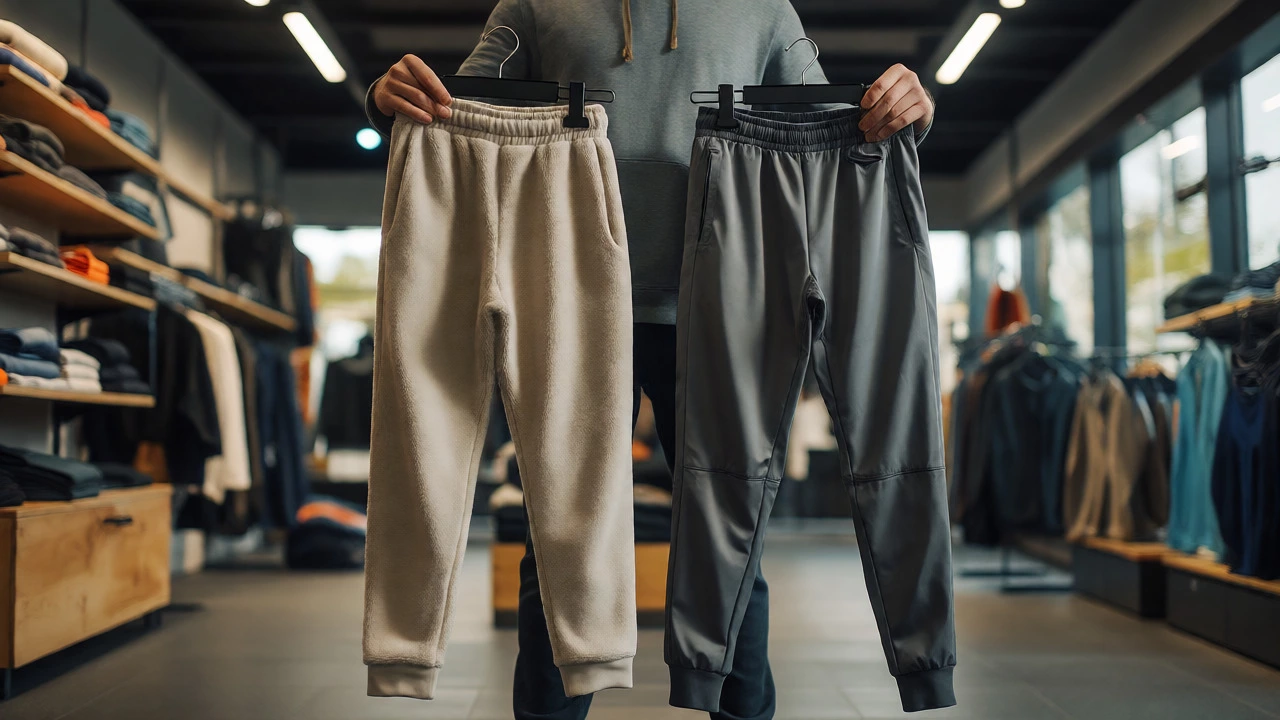
Walk into any sports shop in Dublin or Galway, and you will see the same dilemma playing out in the aisles. People are holding up soft, fleece-lined bottoms, wondering if they count as proper activewear or just lazy loungewear. It is a fair question, especially here in Ireland where the weather can shift from rain to shine in ten minutes. Are sweatpants considered activewear? The short answer is: it depends on what you are doing and what fabric they are made of.
In the Irish market, the line between gym kit and weekend wear has blurred completely. We call it athleisure, a trend where athletic clothing is worn for non-athletic activities. But for those of us trying to stay warm during a brisk walk along the Salthill promenade or heading to a local GAA match, knowing the difference matters. Let’s break down when your joggers are performance gear and when they are just comfy pants.
The Technical Difference: Performance vs. Comfort
To understand if sweatpants fit the definition of activewear, we need to look at the materials. Traditional sweatpants are usually made from cotton or a cotton-polyester blend. Cotton is great for sitting on the sofa watching the Six Nations rugby, but it is terrible for running. Why? Because cotton absorbs sweat and holds it against your skin. If you try to do a high-intensity interval training (HIIT) session in classic cotton sweatpants in a damp Irish gym, you will end up cold and clammy within minutes.
True activewear uses technical fabrics like polyester, nylon, or elastane blends designed to wick moisture away from the body. These synthetic materials dry quickly and allow air to circulate. So, if your "sweatpants" have a shiny, smooth texture and stretchy seams, they might actually be performance joggers. If they feel heavy, fuzzy, and absorbent, they are likely loungewear.
| Feature | Traditional Sweatpants | Technical Joggers (Activewear) |
|---|---|---|
| Primary Fabric | Cotton or Fleece | Polyester, Nylon, Elastane |
| Moisture Management | Absorbs sweat (gets heavy) | Wicks sweat (dries fast) |
| Best For | Relaxing, light walking | Running, gym, hiking |
| Ideal Irish Use | Rainy day errands, coffee runs | Coastal walks, sports training |
The Irish Context: Weather and Culture
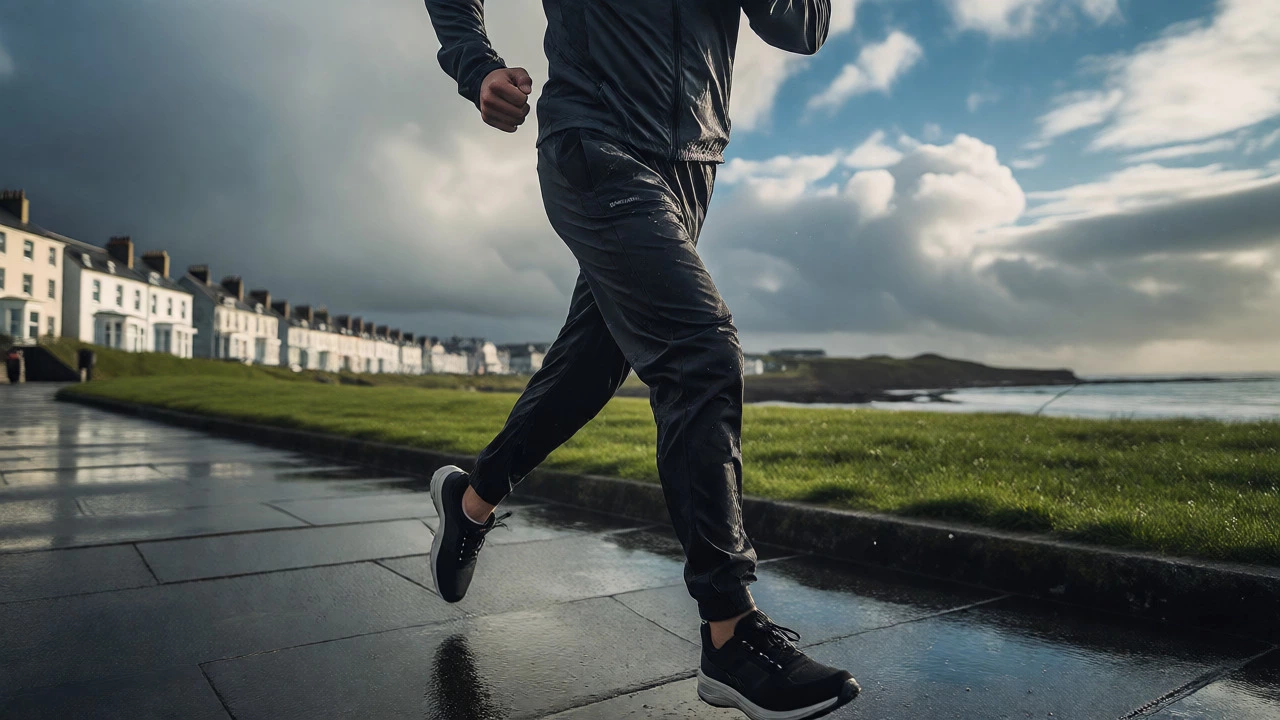
Living in Ireland means dressing for unpredictability. You might start a run in Clontarf under blue skies and finish it in a downpour by the time you reach Sandymount Strand. This climate has shaped how we view sportswear. We prioritize warmth and wind resistance over pure breathability more than people in warmer climates might.
This is why many Irish brands and retailers stock hybrid garments. Take a brand like O’Neills, an iconic Irish apparel manufacturer known for its GAA kits and casual wear. Their range often includes tracksuit bottoms that bridge the gap. They are sturdy enough to handle a bit of drizzle but comfortable enough for a trip to the supermarket. In this context, sweatpants absolutely function as activewear because they serve the purpose of keeping you active and comfortable in our specific environment.
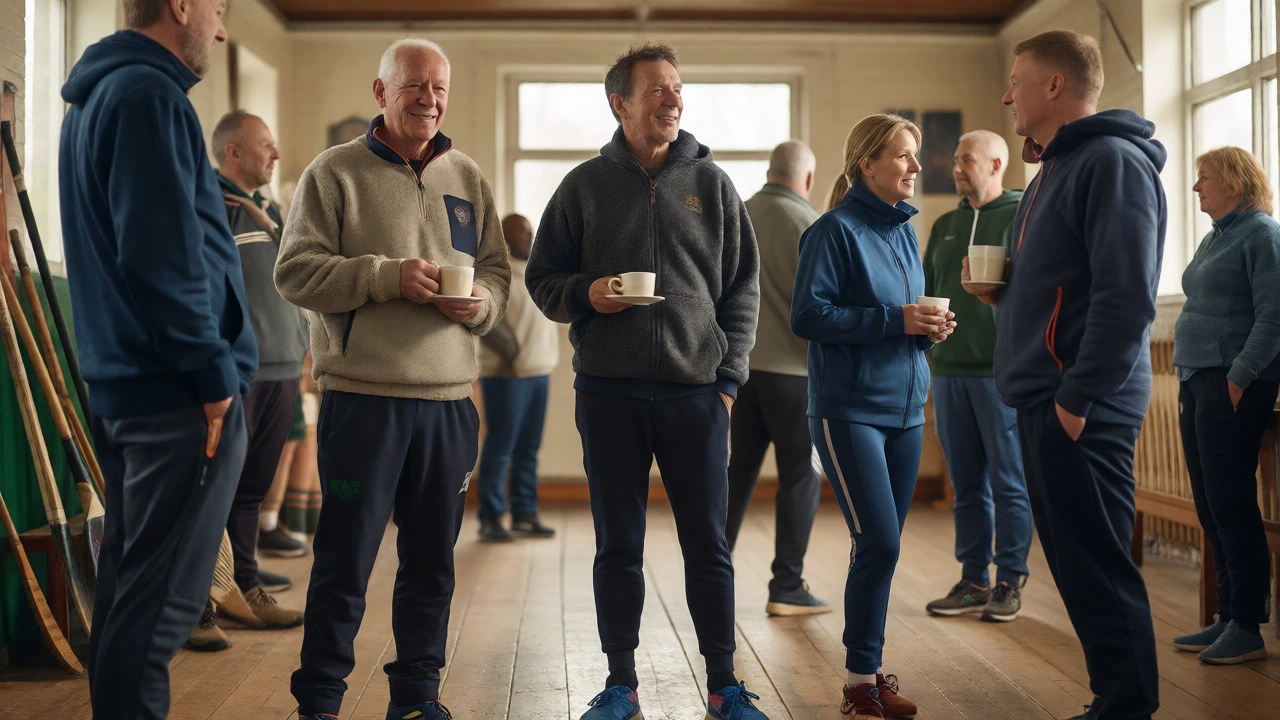
Consider the culture of the GAA (Gaelic Athletic Association). On a Sunday morning, you will see hundreds of people in local clubs wearing tracksuits. Is this activewear? Technically, yes. It is clothing associated with sport. But socially, it has become a uniform for community participation. Wearing these pants signals you are part of the local sporting fabric, whether you are playing hurling or just supporting the team from the sideline.
When Sweatpants Count as Activewear
You can confidently categorize your sweatpants as activewear in these specific scenarios:
- Low-Impact Exercise: Yoga, Pilates, or stretching classes require freedom of movement. Soft, flexible sweatpants allow for deep lunges and twists without restricting blood flow. Many yoga studios in Cork and Dublin accept fleece joggers as standard attire.
- Warm-Up and Cool-Down: Professional athletes always wear layers before and after intense activity. If you are doing a quick sprint session, wearing sweatpants over compression tights is smart strategy to keep muscles warm in the chilly Irish mornings.
- Active Leisure: Walking the dog in Phoenix Park or cycling through the Wicklow Mountains on a gentle trail counts. Here, the comfort factor outweighs the need for high-performance moisture-wicking. If you aren’t sweating profusely, cotton blends are perfectly fine.
The key metric here is intensity. If you are generating significant body heat and sweat, stick to technical fabrics. If you are moving gently, sweatpants are a valid choice.
When They Are Just Loungewear
There are times when calling sweatpants "activewear" is a stretch, even in Ireland. If you plan to go for a long run along the Grand Canal, avoid heavy fleece. The friction will cause chafing, and the weight of the wet fabric will slow you down. Similarly, if you are going to a hot yoga class, thick sweatpants will make you miserable.
Also, consider the social setting. While athleisure is mainstream, some gyms in upscale areas of Dublin 4 still prefer members to wear dedicated gym wear. Wearing baggy, old cotton sweatpants might not give you the confidence boost you need for a heavy lifting session. Fit matters. Baggy sweatpants can get caught in machines or obscure your form during squats. Tapered joggers offer a safer, more professional alternative.
How to Choose the Right Pair for Your Needs
Not all sweatpants are created equal. When shopping in stores like Brown Thomas or online via ASOS, check the label carefully. Look for these attributes to determine if the garment is true activewear:
- Fabric Composition: Aim for at least 50% synthetic fibers (polyester/nylon) if you want moisture-wicking properties. A small percentage of elastane (spandex) adds necessary stretch.
- Weight and Thickness: Lightweight fabrics are better for indoor gyms. Heavier fleece is better for outdoor winter walks. There is no one-size-fits-all; match the weight to the activity.
- Fit and Cut: Slim-fit or tapered legs prevent tripping hazards. Elasticated cuffs help keep mud and water out during rainy Irish walks.
- Ventilation: Some premium joggers include mesh panels behind the knees for airflow. This is a clear sign the designers intended them for exercise.
If you live in a particularly windy coastal town like Howth or Dingle, look for wind-resistant outer shells integrated into the jogger design. This feature transforms a simple pair of pants into serious outdoor gear.
The Rise of Irish Athleisure Brands
Ireland has seen a surge in homegrown brands focusing on sustainable and functional activewear. Companies like Tynan Sport, based in County Donegal, produce high-quality athletic wear using recycled materials, prove that style and sustainability can coexist. These brands often blur the lines further by creating joggers that look sharp enough for a café visit but perform well during a hike.
Supporting local businesses also means getting gear tailored to our needs. Irish-made sportswear often accounts for our cooler average temperatures, offering slightly thicker linings than their American counterparts. This localization makes the distinction between "sweatpants" and "activewear" even less relevant-because they are designed to do both.
Final Verdict: Does It Matter?
Honestly, does it matter if you call them sweatpants or joggers? Not really. What matters is that you feel comfortable and prepared for your activity. In Ireland, practicality rules. If a pair of sweatpants helps you get out the door for a walk instead of staying on the couch, they are serving an active purpose.
However, being mindful of fabric and fit ensures you don’t ruin your workout experience. Invest in one good pair of technical joggers for high-energy days, and keep your cozy cotton sweatpants for recovery days and leisurely strolls. Your wardrobe-and your comfort-will thank you.
Can I wear sweatpants to the gym in Ireland?
Yes, most gyms allow sweatpants. However, for cardio-heavy sessions, technical joggers are better because they manage sweat. For weightlifting or yoga, traditional sweatpants are perfectly acceptable and often preferred for comfort.
What is the best fabric for activewear in Irish weather?
A blend of polyester and elastane is ideal. It resists wind and dries quickly if caught in the rain. Avoid 100% cotton for outdoor activities as it stays wet and cold.
Is athleisure appropriate for work in Dublin?
It depends on the office culture. Tech companies and creative agencies often accept smart joggers paired with a blazer. Traditional corporate firms in the city center may still require formal trousers or chinos.
Do GAA tracksuits count as activewear?
Absolutely. GAA tracksuits are designed for athletic performance and warmth. They are a staple of Irish activewear culture, used for training, matches, and everyday casual wear.
How should I care for my technical joggers?
Wash them inside out in cold water to preserve the elastic and moisture-wicking properties. Avoid fabric softeners, as they coat the fibers and reduce breathability. Air drying is best to maintain shape.