Slipper Health & Risk Assessment Tool
Answer these questions about your current habits and footwear to see if you are at risk for foot pain.

Based on Irish climate factors and biomechanical principles.
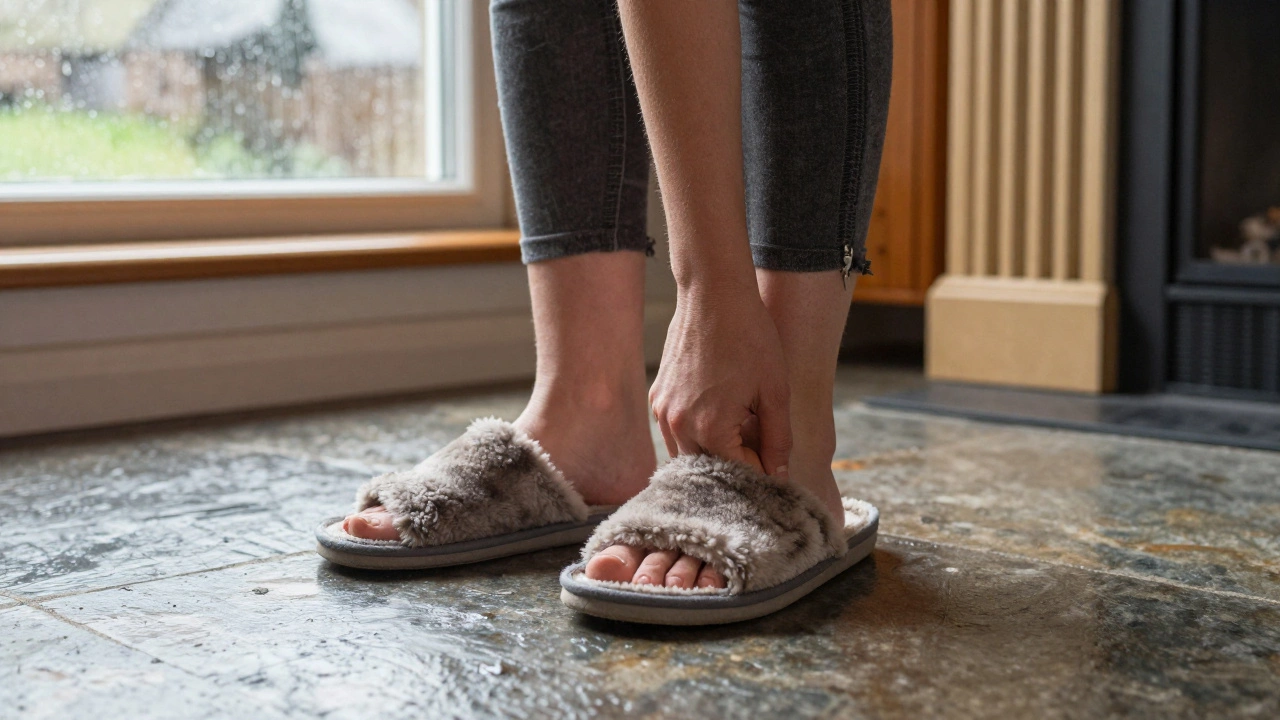
It is a classic Irish household ritual. You step out of the shower, wrap a towel around yourself, and shuffle towards the radiator or the fireplace. On the floor sits your pair of worn-out slippers. For decades, we have treated these cozy companions as harmless comfort items. But are they actually doing your feet any favors? Or are those soft, shapeless moccasins slowly ruining your posture and causing pain you didn’t even know you had?
If you live here in Ireland, where damp floors and cold drafts are part of daily life, keeping your feet warm is non-negotiable. However, warmth without structure can be a recipe for disaster. The short answer is: it depends entirely on the slipper. A well-designed slipper with proper arch support is excellent for your feet. A floppy, unsupportive one is essentially walking barefoot with extra fabric-and that comes with risks.
The Anatomy of a Bad Slipper
Let’s look at the average slipper found in most homes across Galway, Dublin, or Cork. It is often made of soft fleece or wool, has a thin, flexible sole, and offers zero structural integrity. When you walk in this type of footwear, your toes instinctively curl to grip the bottom of the shoe. This action, known as toe gripping, puts immense strain on the small muscles in your feet and calves.
Over time, this constant gripping can lead to several issues:
- Plantar Fasciitis: Inflammation of the thick band of tissue that runs across the bottom of your foot. It causes sharp heel pain, especially in the morning when you first stand up.
- Hammertoes: A deformity where the toe bends abnormally at the joint, often caused by wearing shoes (or slippers) that are too tight or lack support.
- Bunions: Bony bumps that form on the joint at the base of your big toe, exacerbated by poor alignment.
Think about how many hours you spend indoors. If you work from home, you might wear slippers for eight to ten hours a day. That is a significant amount of time for your feet to be in a compromised position. Unlike outdoor shoes, which are designed to protect and support you against hard surfaces, cheap slippers offer neither protection nor stability.
Why Arch Support Matters More Than Warmth
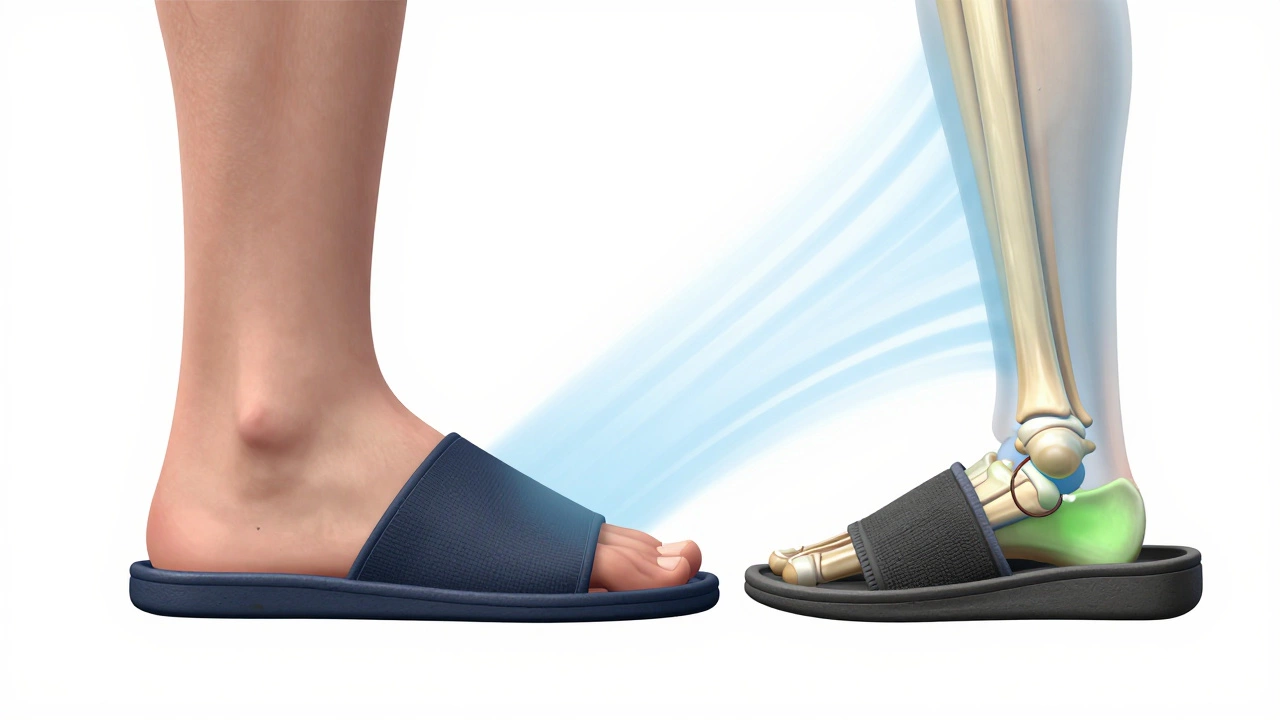
We often prioritize warmth because of our climate. Ireland is notoriously damp. Even in summer, stone floors can feel chillingly cold. But warmth is useless if it comes at the cost of biomechanical function. Your feet have natural arches that act as shock absorbers. When you wear a flat, unsupportive slipper, these arches collapse. This is called overpronation.
When your arches collapse, the impact of every step travels up your legs. It doesn’t stop at your knees; it goes all the way to your hips and lower back. Many people who complain of unexplained lower back pain or knee stiffness are surprised to learn that their indoor footwear is a contributing factor. The chain reaction starts right there in the living room.
A good slipper should mimic the support of a quality sneaker or walking shoe. Look for features like:
- Rigid Heel Counters: The back of the slipper should hold its shape and not flop forward.
- Defined Arch Support: There should be a noticeable curve under the middle of your foot.
- Cushioned Midsoles: Materials like memory foam or EVA provide shock absorption.
- Non-Slip Soles: Essential for safety, especially on polished wooden floors or tiles common in Irish renovations.
The Barefoot Debate: Is Going Shoeless Better?
In recent years, the "barefoot movement" has gained traction. Proponents argue that walking barefoot strengthens foot muscles and improves balance. And yes, walking barefoot on safe, clean surfaces does engage intrinsic foot muscles more than wearing restrictive shoes. However, there is a difference between intentional barefoot exercises and mindlessly shuffling around the house in socks or no shoes.
For most adults, especially those with flat feet or existing foot conditions, going completely barefoot on hard surfaces for extended periods can worsen plantar fasciitis. The hard surface provides no cushioning, leading to increased stress on the plantar fascia. Furthermore, in an Irish context, hygiene is a concern. Walking barefoot increases the risk of fungal infections like athlete’s foot, particularly if you share bathrooms or use communal facilities.
If you prefer the feeling of freedom, consider minimalist slippers. These are designed to be lightweight and flexible but still offer a protective layer and minimal support. They allow your foot to move naturally while protecting it from cold and debris.
Choosing the Right Slippers for Irish Homes
Not all slippers are created equal. When shopping for new indoor footwear, whether you are browsing in a local store in Galway city center or ordering online, keep these criteria in mind:
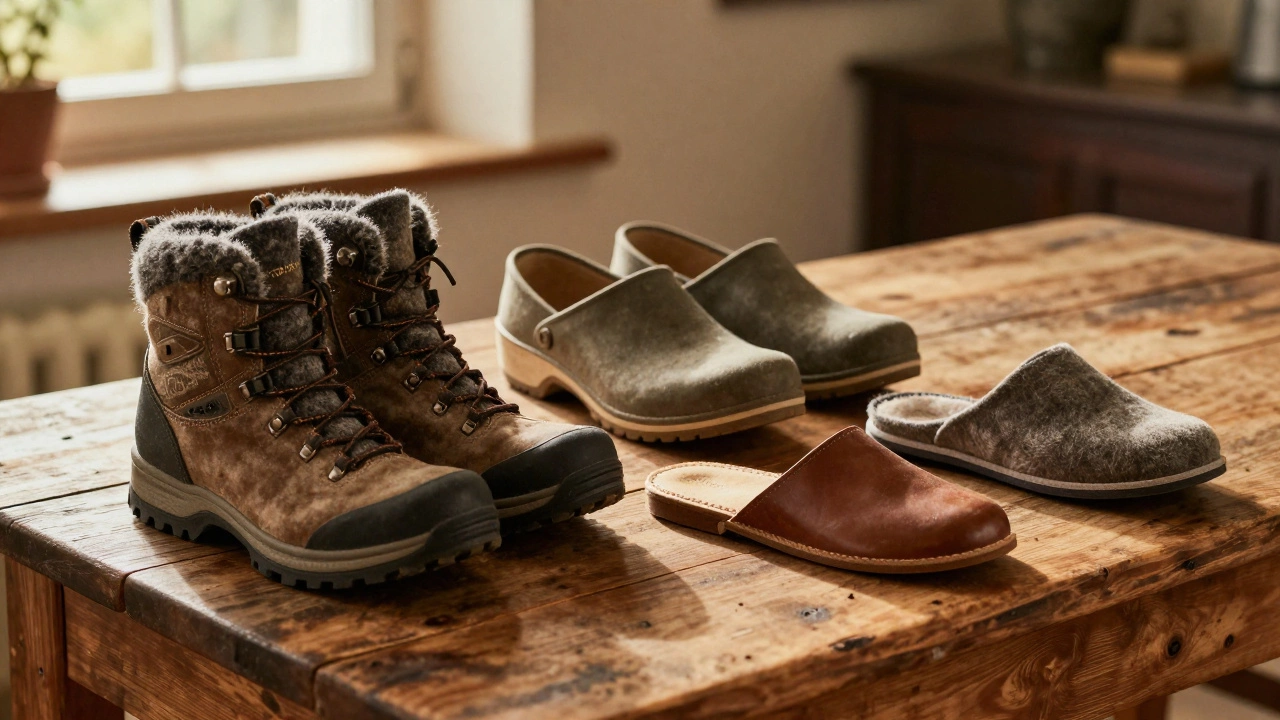
| Type | Support Level | Best For | Common Pitfalls |
|---|---|---|---|
| Moccasin Style | Low | Sitting down only | Too soft for walking; promotes toe gripping |
| Clog/Orthopedic | High | All-day wear, standing jobs | Can be bulky; may look less stylish |
| Memory Foam Slide | Medium | Relaxation, post-shower | Lacks heel security; easy to trip |
| Wool Hiking Bootie | Medium-High | Cold winters, rough floors | May retain moisture if not breathable |
In Ireland, brands like Dunlop and local cobbler-made options often provide better durability and support than fast-fashion alternatives. Look for materials like merino wool, which regulates temperature and resists odors-a practical choice given our humid weather. Avoid synthetic materials that trap sweat, as this creates a breeding ground for bacteria and fungi.
Special Considerations for Different Foot Types
Your ideal slipper depends heavily on your foot structure. Here is how to match your footwear to your anatomy:
- Flat Feet: You need maximum arch support. Look for slippers labeled "orthopedic" or "plantar fasciitis relief." Brands like Vionic or Oofos specialize in this area. Without support, your ankles will roll inward, straining your shins and knees.
- High Arches: You need cushioning. High arches don’t absorb shock well, so you need a plush midsole to distribute pressure evenly. Avoid rigid, hard-soled slippers.
- Wide Feet: Ensure the slipper has a wide toe box. Narrow slippers squeeze your toes together, leading to bunions and neuromas. Natural leather or stretchy knit fabrics accommodate wider feet better than stiff synthetics.
- Elderly Users: Safety is paramount. Choose slippers with a secure fit (not loose slides) and a rubberized, non-slip sole. Falls in the bathroom or kitchen are a major risk for older adults, and slippery socks are a common culprit.
Maintaining Your Foot Health Indoors
Even the best slipper won’t help if you neglect basic foot care. Here are some simple habits to adopt:
- Rotate Your Slippers: Don’t wear the same pair every day. Give them time to air out and dry. Moisture weakens the structure of the slipper and promotes bacterial growth.
- Stretch Your Calves: Tight calf muscles pull on your Achilles tendon, increasing pressure on your plantar fascia. Do gentle stretches before bed.
- Check for Wear and Tear: If the sole is thinning or the arch support is flattening, replace them immediately. Worn-out slippers provide false comfort but actual damage.
- Listen to Your Body: If you feel pain in your heels, arches, or knees after being indoors, reassess your footwear. Pain is a signal, not a suggestion.
Living in Ireland means dealing with unique environmental challenges. Our homes are often built with stone or concrete foundations, which can be cold and hard. While we crave the comfort of soft slippers, we must not sacrifice biomechanical health for temporary coziness. Investing in high-quality, supportive indoor footwear is an investment in your long-term mobility and pain-free life.
Next time you reach for those old, floppy slippers, pause. Ask yourself: do they support my arch? Do they keep my heel stable? If the answer is no, it might be time to upgrade. Your feet carry you through every day-they deserve better than just being kept warm.
Are fluffy slippers bad for your feet?
Fluffy slippers are not inherently bad, but many lack structural support. If they have a flat, flexible sole and no arch support, they can encourage toe gripping and strain your plantar fascia. Look for fluffy slippers that also include a firm heel counter and defined arch support to combine comfort with health benefits.
Is it better to wear socks or slippers indoors?
Socks alone provide warmth but little to no protection or support. On hard Irish floors, socks can be slippery and offer no cushioning against impact. Slippers with non-slip soles and cushioned midsoles are generally better for foot health, provided they have adequate arch support. Socks are best worn inside supportive slippers for maximum warmth and safety.
What are the best slippers for plantar fasciitis?
The best slippers for plantar fasciitis are those labeled as orthopedic or medical-grade. They should feature deep heel cups, firm arch support, and rigid heel counters. Brands like Vionic, Oofos, and Dansko are highly recommended. Avoid soft, moccasin-style slippers that allow your foot to collapse inward.
Do slippers help with knee pain?
Indirectly, yes. Poor footwear can alter your gait and cause misalignment in your knees and hips. By wearing supportive slippers that maintain proper arch height and heel stability, you reduce the strain on your knees. Conversely, unsupportive slippers can exacerbate knee pain due to improper weight distribution.
How often should I replace my slippers?
You should replace your slippers every 6 to 12 months, depending on usage. Signs it’s time for a new pair include worn-down soles, flattened arch support, stretched-out material, or persistent odors that won’t wash out. Regular replacement ensures you continue to receive the necessary support and hygiene benefits.