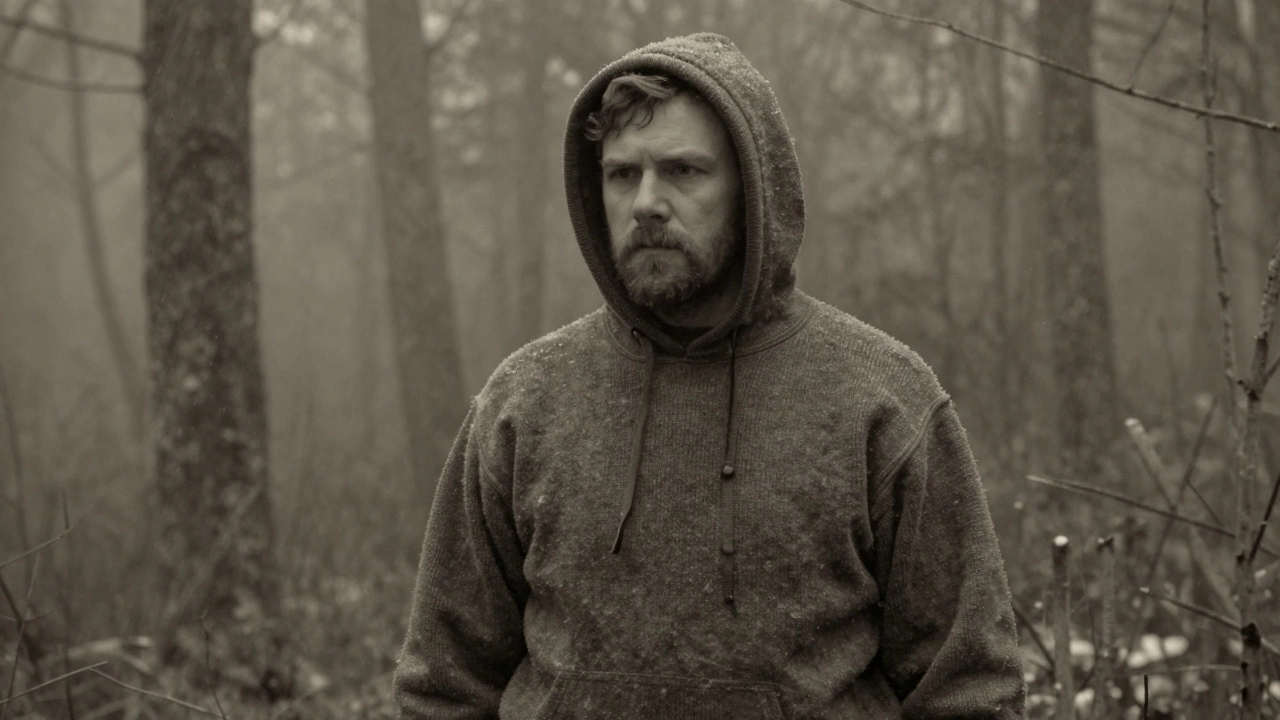
The Ultimate Irish Hoodie Selector
Find out which hoodie fits your life in Ireland, from the rainy streets of Dublin to the windy coasts of Kerry.
Your Recommendation
Why it works:
Select your options and click the button to get personalized advice.
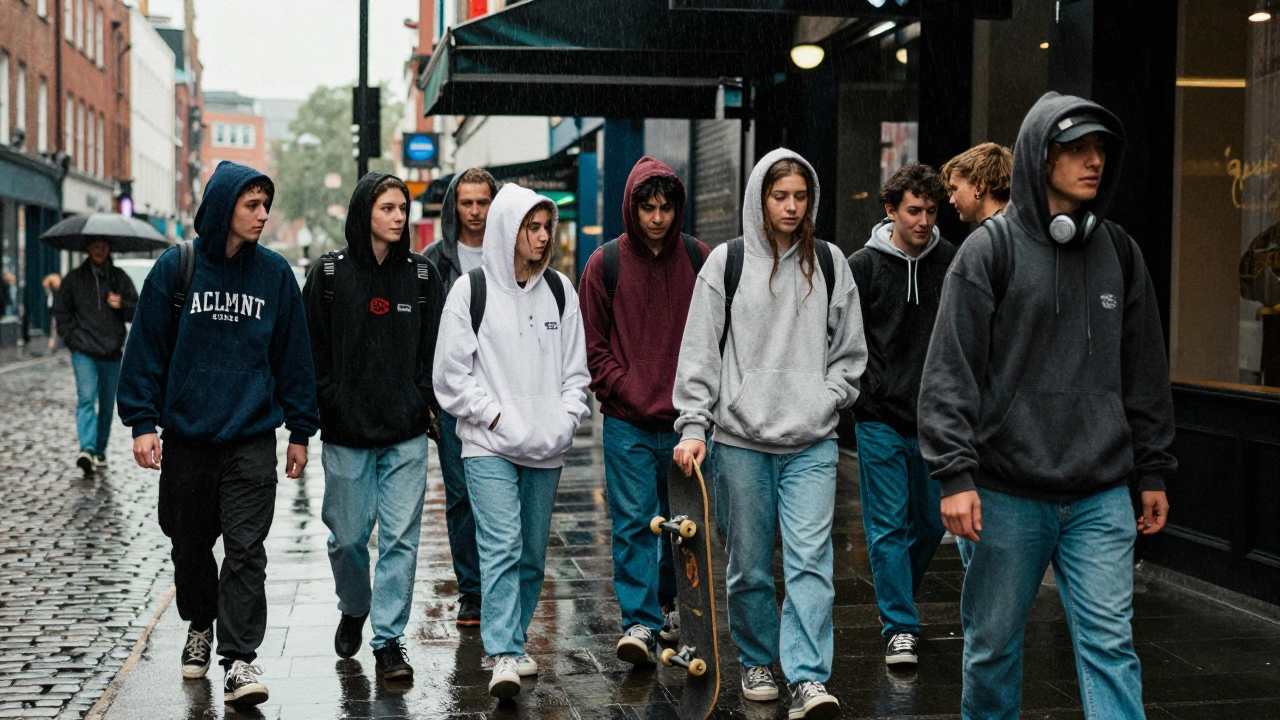
Walk down Grafton Street in Dublin or browse the racks at Brown Thomas on a rainy Tuesday, and you’ll see them everywhere. The hoodie has gone from gym locker room staple to high-fashion essential in record time. But have you ever stopped to ask who actually made hoodies famous? It wasn’t a single designer in Paris or Milan. It was a mix of practical necessity, athletic innovation, and cultural rebellion that eventually landed on the shoulders of students in Cork, surfers in Kerry, and tech workers in Galway.
In Ireland, where the weather can shift from bright sunshine to driving rain in ten minutes flat, the hoodie isn't just a style statement-it’s survival gear. Yet its journey to becoming a wardrobe essential here is tied to global history. To understand why we wear them, we need to look back at who invented them, who popularized them, and how they conquered the Irish market.
The Humble Beginnings: Utility Over Style
Most people assume the hoodie was born in the world of fashion, but it actually started in the world of labor. In the early 1930s, the Knickerbocker Knitting Company, which later became known as Champion, was based in Rochester, New York. They were making heavy-duty workwear for laborers in the upstate New York forests.
These workers faced freezing temperatures while chopping wood and hauling timber. Regular sweatshirts didn’t offer enough protection against the wind and chill. So, Knickerbocker added a hood to their existing sweatshirt design. This simple addition created the first hooded sweatshirt. At this stage, it had no drawstrings and was purely functional. It was designed to keep heat in and cold out.
This invention highlights a key attribute of the original hoodie: utility. It wasn’t about looking cool; it was about staying warm in harsh conditions. For decades, the hoodie remained a niche item for manual laborers and athletes. You wouldn’t find these garments in the boutiques of Merrion Square during this era. They were strictly utilitarian.
Athletic Adoption: The Gym Culture Shift
The next major step in the hoodie’s evolution came through sports. In the 1970s, universities and college teams across America began adopting the hoodie as part of their athletic uniforms. Why? Because athletes needed warmth before games, especially when playing outdoors in cooler weather.
Champion capitalized on this trend by introducing the "Reverse Weave" technique in 1979. This manufacturing process reduced shrinkage and improved durability, making the hoodie more comfortable and long-lasting. Athletes loved it. Coaches wore it. Fans started wearing it to show team spirit.
In Ireland, this athletic connection resonated deeply with our strong tradition of Gaelic games. While the GAA (Gaelic Athletic Association) has its own specific jersey styles, the general culture of wearing warm-up gear after training sessions helped normalize the hoodie. Young players in clubs from Derry to Waterford would wear hoodies under their jerseys or over their kits. This blurred the line between sportswear and everyday clothing.
Street Culture and Rebellion: The 1980s and 90s
If the 1930s gave us the hoodie, the 1980s and 1990s gave it an attitude. This is when the garment truly became "famous" in the cultural sense. Hip-hop culture in New York City embraced the hoodie as a symbol of urban identity. Rappers like LL Cool J and A Tribe Called Quest wore oversized hoodies, turning them into a badge of coolness.
Simultaneously, skateboarding and punk subcultures adopted the hoodie for its practicality and anonymity. Skaters needed durable clothes that could withstand falls on concrete. Punks valued the hoodie’s ability to conceal identity and reject mainstream fashion norms.
In Ireland, this cultural shift arrived with the music scene. Dublin’s alternative rock and indie bands in the late 90s often favored casual, understated looks. The hoodie fit perfectly into this aesthetic. It was anti-establishment yet accessible. You could buy one at a local sports shop in Limerick or find vintage pieces in second-hand stores in Temple Bar. It became the uniform of the creative class.
High Fashion Embraces the Hoodie
By the 2000s, the hoodie had crossed over into high fashion. Designers like Raf Simons and Rick Owens began featuring hoodies in their runway shows. Luxury brands such as Balenciaga and Gucci started releasing premium versions, often priced hundreds of euros higher than standard sportswear brands.
This democratization of luxury meant that the hoodie was no longer just for athletes or rebels. It was acceptable in offices, cafes, and even some semi-formal settings. In Ireland, this trend was visible in cities like Cork and Galway, where young professionals mixed designer hoodies with tailored trousers or smart jeans.
The rise of tech startups in Ireland also played a role. Companies like Stripe, Airbnb, and Google opened offices in Dublin, bringing with them a casual dress code. The hoodie became the unofficial uniform of the Irish tech sector. Walking around the Docklands area in Dublin, you’d see countless employees in hoodies, signaling comfort and creativity over corporate rigidity.
The Irish Context: Weather, Style, and Local Brands
Ireland’s climate is perhaps the biggest reason the hoodie thrived here. With frequent rain and mild but damp temperatures, layering is essential. The hoodie provides warmth without bulk, making it ideal for Irish winters. Unlike heavier coats, hoodies are easy to remove indoors, fitting well with the pub culture where people spend hours socializing.
Local Irish brands have also contributed to the hoodie’s popularity. Kilkenny, known for its knitwear, expanded into casual wear, including high-quality hoodies made from Irish wool blends. These products appeal to consumers looking for durability and national pride. Similarly, independent designers in Dublin’s craft markets offer unique, hand-printed hoodies that reflect local art and humor.
Retailers like Penneys (Primark), located in every major town square from Sligo to Kinsale, make hoodies affordable for all income levels. This accessibility ensures that the hoodie remains a democratic piece of clothing. Whether you’re a student in Trinity College Dublin or a farmer in County Mayo, you can own a hoodie.
| Era | Key Development | Cultural Impact |
|---|---|---|
| 1930s | Invented by Knickerbocker Knitting Co. | Workwear for laborers in cold climates |
| 1970s-80s | Adopted by athletes; Reverse Weave introduced | Became associated with sports and university teams |
| 1990s | Embraced by hip-hop and skate cultures | Symbol of urban identity and rebellion |
| 2000s-Present | Luxury brands enter the market | Accepted in high fashion and professional settings |

Why the Hoodie Remains Popular in Ireland Today
Today, the hoodie is more than just clothing; it’s a cultural icon. Its versatility allows it to adapt to various contexts. In Ireland, this adaptability is crucial due to the unpredictable weather. A lightweight hoodie works for spring days in Killarney, while a thick fleece-lined version handles winter winds in Connemara.
The rise of remote work post-2020 further cemented the hoodie’s status. With many Irish professionals working from home, comfort became a priority. The hoodie offers the perfect balance of professionalism (if paired correctly) and relaxation. Video calls often mean only the top half of your body is visible, allowing for cozy bottoms and stylish tops.
Moreover, sustainability concerns have influenced hoodie choices. Consumers in Ireland are increasingly aware of fast fashion’s environmental impact. This has led to a growth in demand for ethically produced, durable hoodies. Local makers and international brands with transparent supply chains benefit from this shift. People are willing to pay more for hoodies that last longer and align with their values.
Choosing the Right Hoodie for the Irish Lifestyle
Given the variety available, selecting the right hoodie depends on your needs. Here are some tips tailored to the Irish context:
- Material Matters: Look for cotton blends or wool mixes for better insulation. Pure cotton may not dry quickly in humid conditions.
- Fit and Layering: Choose a fit that allows for layering. A slightly oversized hoodie accommodates a sweater underneath if needed.
- Color Choices: Darker colors like navy, black, and charcoal hide dirt and stains better, useful for muddy walks or rainy commutes.
- Brand Ethics: Consider supporting Irish brands or companies with strong sustainability practices. Check labels for certifications like GOTS (Global Organic Textile Standard).
- Versatility: Opt for neutral designs that pair well with both jeans and chinos, suitable for casual outings or informal office environments.
Conclusion: The Enduring Appeal
So, who made hoodies famous? It wasn’t one person or brand alone. It was a collective effort involving innovators like Champion, cultural movements like hip-hop, and practical necessities like Ireland’s weather. The hoodie’s journey from workwear to wardrobe staple reflects broader societal changes towards comfort, individuality, and sustainability.
In Ireland, the hoodie continues to evolve. As fashion trends shift and technology advances, new materials and designs will emerge. Yet, the core appeal remains unchanged: simplicity, functionality, and style. Whether you’re heading to a match in Croke Park or a meeting in a Dublin startup, the hoodie is ready to accompany you.
Who invented the first hoodie?
The first hoodie was invented by the Knickerbocker Knitting Company, now known as Champion, in the early 1930s. They added hoods to sweatshirts to keep laborers warm in cold upstate New York forests.
Why are hoodies so popular in Ireland?
Hoodies are popular in Ireland due to the country's cool, damp climate, which requires versatile layering options. Additionally, the casual dress culture in tech and creative industries has normalized hoodies in daily wear.
What brand is most associated with the origin of hoodies?
Champion is the brand most closely associated with the origin of hoodies. Originally part of the Knickerbocker Knitting Company, Champion popularized the hoodie through athletic use and innovations like the Reverse Weave technique.
Can you wear a hoodie to work in Ireland?
Yes, especially in tech startups, creative agencies, and casual workplaces. In more formal corporate environments, it may be less appropriate unless paired with smart attire or worn during relaxed dress-down days.
Are there Irish brands that make hoodies?
Yes, brands like Kilkenny offer high-quality hoodies using Irish wool blends. Independent designers in Dublin and other cities also create unique, locally inspired hoodies.