Irish School Uniform Happiness Calculator
Adjust the sliders to reflect your family's situation or general opinion on these key factors.
Happiness Analysis
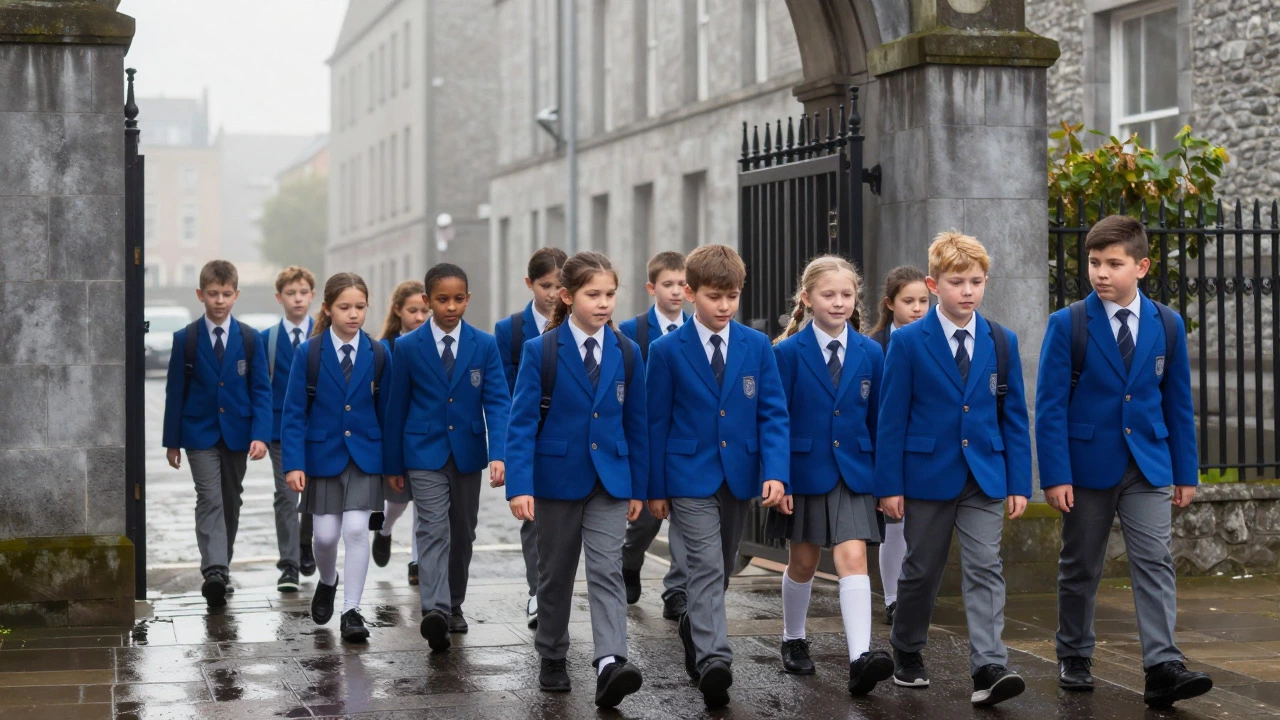
Walk down the street outside any primary school in Dublin or Galway around 9:00 AM, and you’ll see a sea of identical colors. Blue blazers, grey trousers, white shirts. It’s a visual uniformity that has defined the Irish education landscape for decades. But as parents across Ireland grapple with rising costs and changing social dynamics, a big question is bubbling up: are kids actually happier wearing these outfits?
The short answer isn’t a simple yes or no. For many children, the uniform acts as a pressure valve, removing the daily stress of 'what do I wear today?' For others, it feels like a restriction on their identity. To understand whether school uniforms boost happiness in Ireland, we need to look past the fabric and focus on the feelings-specifically regarding bullying, financial stress, and self-expression.
The Bullying Buffer: Does Uniform Stop Teasing?
One of the strongest arguments for keeping uniforms in Irish schools is the reduction of visible socioeconomic differences. In a country where the gap between wealthier suburbs like Sandymount and more working-class areas can be stark, clothes often signal status.
When every child wears the same outfit, it theoretically levels the playing field. A study by the National Educational Psychological Service (NEPS) in Ireland has highlighted that while uniforms don't stop all bullying, they significantly reduce clothing-based teasing. Imagine a scenario where a child from a lower-income family doesn't have the latest Nike Air Jordans or designer jeans. Without a uniform, that difference can become a target. With a uniform, those markers disappear.
However, this buffer isn't perfect. Bullies find other ways to differentiate. You might still see branded socks, specific watches, or expensive bags becoming the new battlegrounds. So, while uniforms remove the most obvious targets, they don't eliminate the root cause of peer conflict.
The Financial Reality for Irish Families
Let's talk money, because nothing kills happiness faster than financial stress. In recent years, the cost of living crisis in Ireland has hit families hard. A full set of school uniforms-including two sets of shirts, trousers/skirts, a blazer, ties, and PE kit-can easily run €150-€200 per year. For a family with three children, that’s over €400 before you even buy books or pay for transport.
This creates a mixed emotional response:
- For some parents: Uniforms are cheaper than buying trendy fast fashion every month. Brands like Primark or Penneys offer affordable alternatives, but durability is often an issue.
- For others: The mandatory nature of specific suppliers (some schools require buying directly from the school shop) feels exploitative and adds unnecessary burden.
When parents are stressed about money, that tension seeps into the home. If a child senses their parents are worried about the cost of their blazer, does that make them happier at school? Probably not. Schools that allow generic brands or second-hand swaps tend to report higher satisfaction among families.
Self-Expression vs. Conformity
Children, especially as they approach secondary school age, crave autonomy. They want to express who they are through their appearance. A strict uniform policy can feel like a suppression of that identity.
In Ireland, where creativity and individuality are highly valued cultural traits, this tension is real. Some students feel suffocated by the rigid rules-no colored tights, hair must be tied back, ties must be knotted a certain way. This rigidity can lead to resentment rather than pride.
However, there’s a counterpoint. Many students report feeling a sense of belonging when they wear their school colors. It’s a team spirit thing. Think of it like supporting the Irish national rugby team; wearing the jersey makes you part of something bigger. For shy or anxious children, this 'herd mentality' can be comforting. They don't have to stand out; they just have to fit in, which reduces social anxiety.
Comfort and Practicality in the Irish Climate
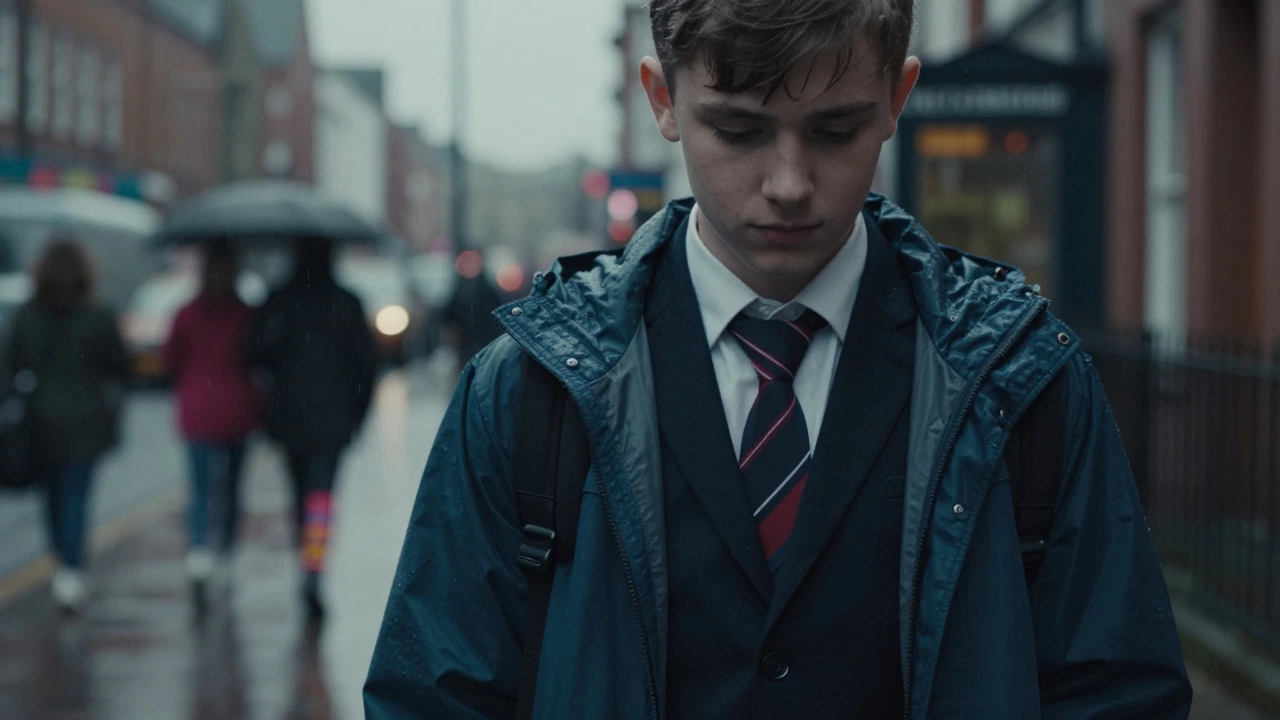
Let’s be honest: the Irish weather is unpredictable. One minute it’s sunny in Galway, the next it’s pouring rain. Traditional school uniforms, with their wool blazers and cotton shirts, aren't always practical for this climate.
If a child is cold, wet, or uncomfortable, they aren't happy. They’re distracted. Recent shifts in Irish schools have seen a move towards more practical materials-water-resistant jackets instead of heavy blazers, or allowing hoodies under blazers during winter months. These small changes have made a big difference in student comfort levels.
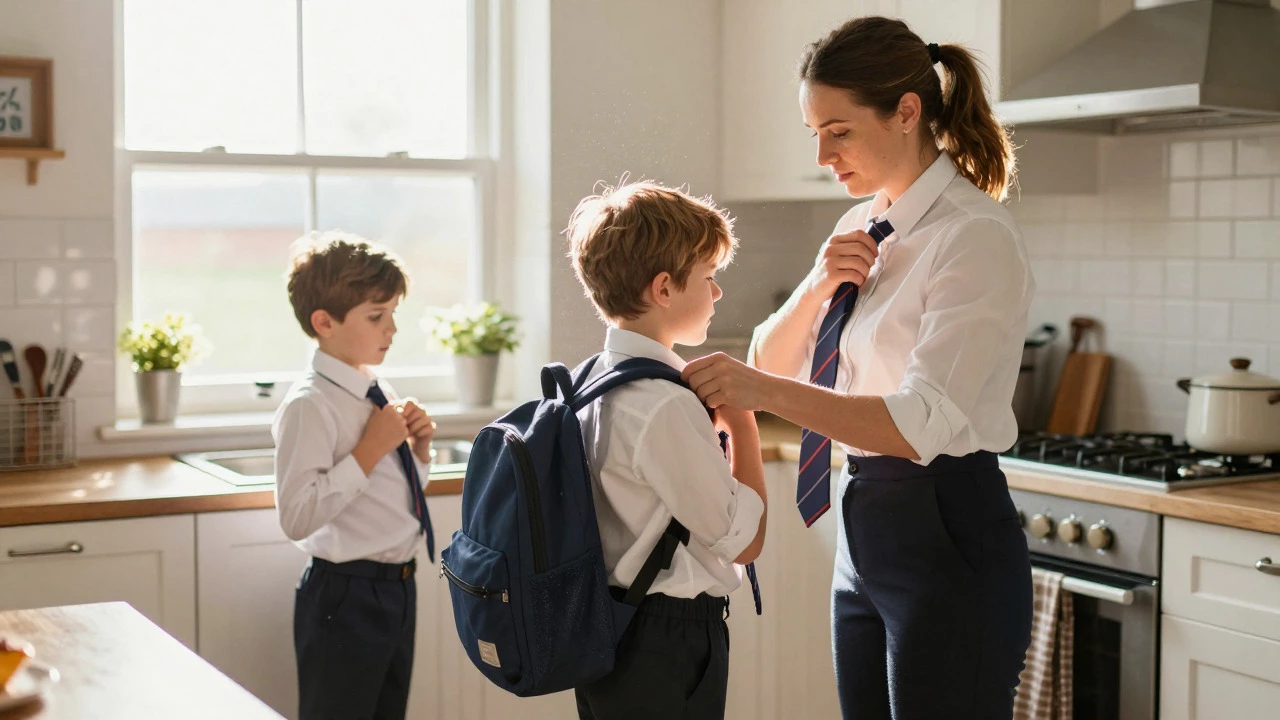
Furthermore, the transition from play to learning is smoother when the uniform signals 'it’s time for school.' This psychological cue helps children switch modes, reducing morning battles at home. Parents in Cork and Limerick alike report less friction in the mornings when the routine is standardized.
What Do the Students Actually Say?
To get the real picture, we need to listen to the kids themselves. Surveys conducted by organizations like Reach Out Ireland show a divide:
- Primary Students (ages 5-12): Generally indifferent or positive. They care more about their friends and games than their attire. The simplicity of uniforms appeals to them.
- Secondary Students (ages 12-18): More critical. They value personal style and often view uniforms as outdated. However, many admit they prefer the ease of not having to choose an outfit after a long night.
A common sentiment among older teens is: "I hate wearing it, but I love taking it off." This suggests that while the uniform itself might not be a source of joy, its absence of choice is a relief.
Alternatives and Hybrid Models
Some progressive schools in Ireland are experimenting with hybrid models. Instead of a full blazer and tie, they might require a specific color polo shirt and dark trousers. This allows for more comfort and easier movement while maintaining a sense of unity.
Other schools have introduced 'uniform free days' once a term, allowing students to dress casually. These days are often cited as highlights of the term, showing how much students value the freedom to express themselves. Balancing structure with occasional flexibility seems to be the sweet spot for maximizing happiness.
| Aspect | Impact on Happiness | Key Insight |
|---|---|---|
| Social Equality | Positive | Reduces visible wealth gaps and clothing-based bullying. |
| Cost | Negative/Mixed | High upfront cost causes stress; saves money long-term if durable. |
| Self-Expression | Negative | Limits individuality, leading to resentment in teens. |
| Morning Routine | Positive | Reduces decision fatigue and family conflict. |
| Belonging | Positive | Fosters school pride and community identity. |
Final Thoughts on Student Well-being
So, are kids happier with school uniforms? It depends on what drives their happiness. If their main stressors are social comparison and morning chaos, then yes, uniforms help. If their main need is creative expression and comfort, then maybe not.
The best approach for Irish schools seems to be a balanced one: maintain the core elements that promote equality and belonging, but introduce flexibility in materials, fit, and occasional casual days. By listening to both parents and students, schools can create a policy that supports well-being rather than just enforcing conformity.
Do school uniforms reduce bullying in Ireland?
Yes, to an extent. Uniforms reduce clothing-based teasing by hiding brand names and price tags. However, bullying can shift to other accessories like shoes or bags, so vigilance is still needed.
How much does a school uniform cost in Ireland?
A full set typically costs between €150 and €200. Costs vary depending on whether you buy from the school shop or use approved external retailers like Penneys or Dunnes Stores.
Can students wear sneakers with their uniform?
Policies vary by school. Many Irish schools now allow clean, plain sneakers for comfort and safety, moving away from strict black shoe requirements.
Why do some Irish schools require blazers?
Blazers are traditionally associated with formality and school identity. They provide a warm layer for Ireland's cool climate and create a cohesive look for assemblies and events.
Are there uniform-free days in Irish schools?
Some schools organize uniform-free days for charity fundraising or special events. These days are popular with students and raise money for good causes.