Trainer Selection Tool for Irish Conditions
Find Your Perfect Trainer
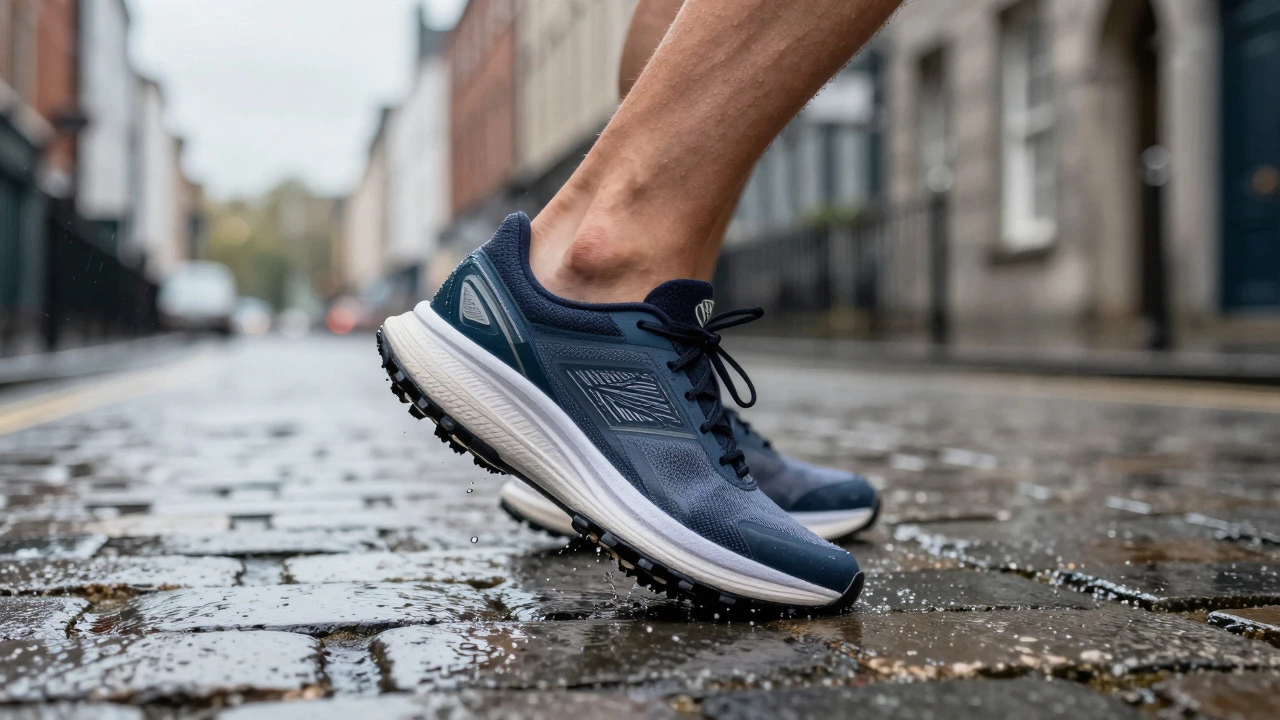
You’ve probably noticed it while waiting for the Luas on O'Connell Street or watching a friend jog along the Liffey. Those chunky soles on modern trainers aren’t just for height; they serve a critical function. If you’re wondering why do trainers have heels, the answer lies somewhere between biomechanics, injury prevention, and the specific demands of our daily lives here in Ireland.
We walk on hard surfaces-concrete pavements in Dublin city centre, cobblestones in Galway’s Latin Quarter, and gravel paths in Wicklow. Without that extra material at the back of your shoe, your body would absorb every single impact. That heel isn’t vanity; it’s engineering.
The Biomechanics of the Heel Strike
To understand the heel, we first need to look at how most people run and walk. In sports science, this is called the 'heel strike.' When your foot hits the ground, the heel usually makes contact first. This happens because the human leg acts like a pendulum. As you swing forward, gravity pulls your foot down, and the heel is the highest point of the sole when the foot is relaxed.
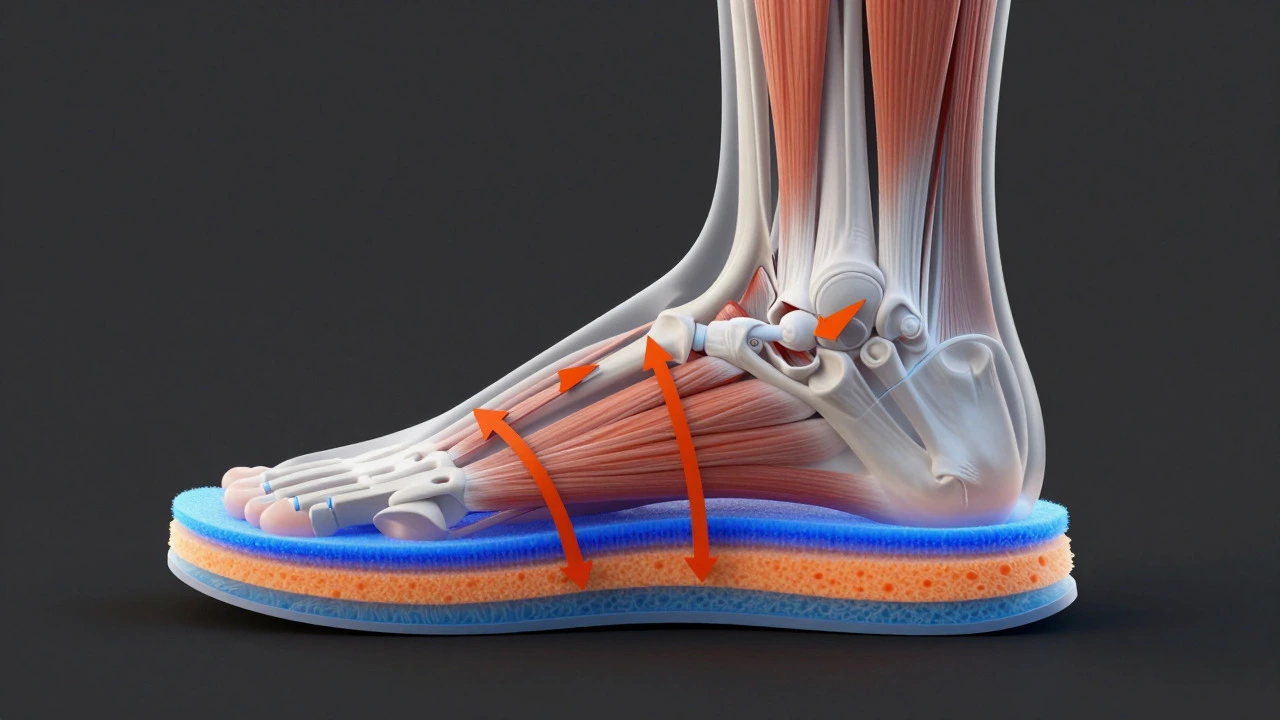
If you were to wear flat shoes with zero drop-the difference in height between the heel and the forefoot-your calf muscles and Achilles tendon would have to work much harder to control that landing. For many people, especially those who aren’t used to barefoot-style running, this sudden shift can lead to strain or even tears. The raised heel in traditional trainers provides a buffer zone. It allows the shock to dissipate through foam rather than traveling straight up your shin bone.
What is 'drop' in running shoes?
Drop refers to the height difference between the heel and the toe of a shoe, measured in millimeters. A typical trainer might have an 8mm to 12mm drop, meaning the heel sits higher than the forefoot. Zero-drop shoes have no difference in height.
Cushioning Technologies: More Than Just Foam
In Ireland, where rain seems to be a permanent feature of the weather, comfort is non-negotiable. You can’t enjoy a hike in the Slieve Bloom Mountains if your feet are pounding against rock-hard soles. Modern trainers use advanced materials to manage this energy return.
Brands popular in Irish stores like Sports Direct or independent runners shops often highlight their proprietary foams. For example, Nike uses ZoomX or React foam, while Adidas relies on Boost or Lightstrike. These materials are designed to compress upon impact and then spring back. This 'energy return' helps propel you forward, reducing the effort needed from your legs. The thicker the midsole, particularly under the heel, the more cushioning you get. This is why modern trainers look so bulky compared to the thin-soled sneakers of the 1990s.
| Material Type | Primary Benefit | Best For |
|---|---|---|
| EVA (Ethylene-Vinyl Acetate) | Lightweight and cost-effective | Daily walking, casual wear |
| PU (Polyurethane) | Durable and stable | Long-distance running, heavy users |
| Nitrogen-Infused Foam | High energy return, soft feel | Performance running, speed training |
Stability and Injury Prevention
Not all feet are created equal. Some people overpronate, meaning their ankles roll inward excessively when they land. Others supinate, rolling outward. A trainer with a structured heel counter-the rigid part of the shoe that cups the back of your heel-helps keep your foot aligned. Without this support, your knee and hip joints can suffer misalignment issues over time.
In Ireland, where outdoor activities are a huge part of the culture, from GAA matches on muddy pitches to coastal walks in Donegal, stability is key. A well-designed heel prevents your foot from sliding around inside the shoe. This is crucial for preventing blisters and ankle sprains. Brands like Brooks and ASICS are well-known for their stability features, which are often highlighted in reviews by local running clubs across Cork and Limerick.
The Trend Factor: Chunky Sneakers and Fashion
Let’s be honest, aesthetics play a role too. Over the last few years, the 'dad shoe' or chunky sneaker trend has taken over high streets from Temple Bar to Dundrum Town Centre. Designers realized that adding volume to the sole not only looked bold but also provided more space for cushioning technology. This fusion of fashion and function means you can look stylish while still getting the biomechanical benefits of a raised heel.
This trend isn’t just about looking tall. It’s about embracing a silhouette that signals comfort. In a post-pandemic world, where people prioritize ease and practicality, the bulky trainer fits perfectly into the Irish lifestyle. Whether you’re commuting on the DART or grabbing a coffee in Kinsale, these shoes offer a versatile look that transitions easily from day to night.
Choosing the Right Trainer for Irish Conditions
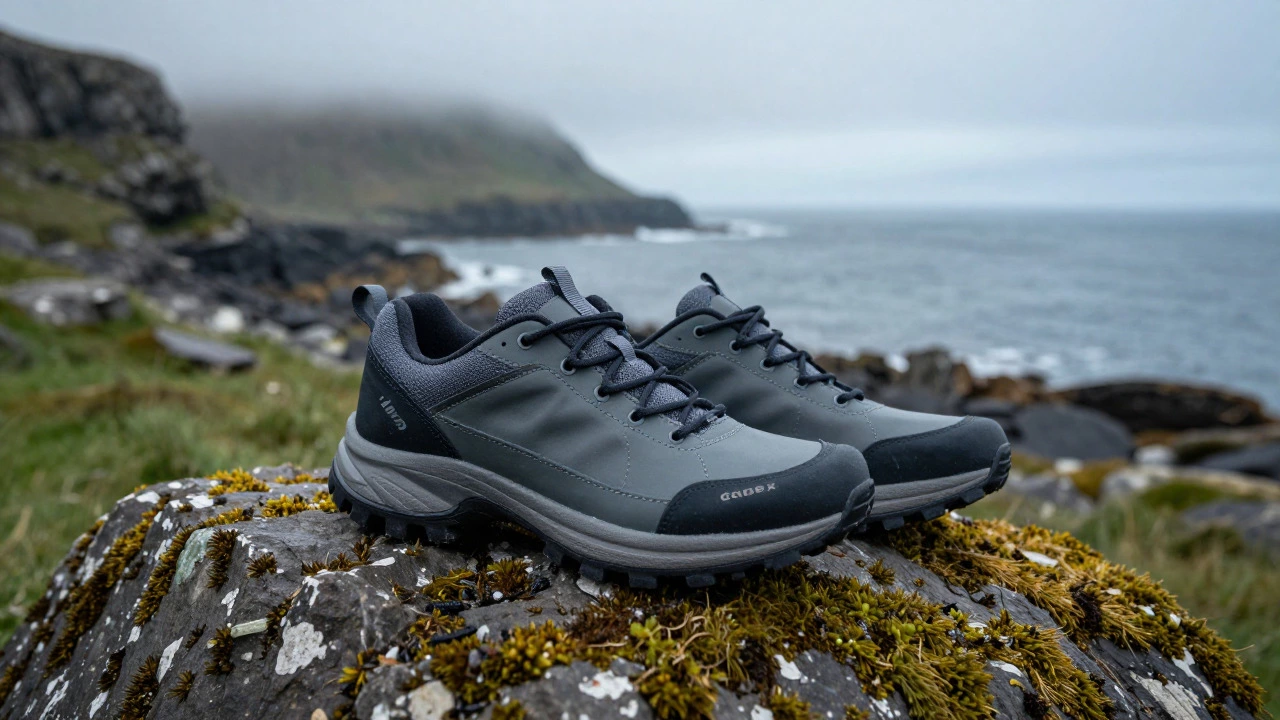
When shopping for trainers in Ireland, consider the environment you’ll be using them in. If you’re mostly walking on city pavements, look for shoes with good arch support and a moderate drop (8-10mm). If you’re planning to hit the trails, opt for models with deeper lugs and more aggressive heel protection to guard against rocks and roots.
Also, think about the weather. Waterproof membranes like Gore-Tex are essential for keeping your feet dry during Ireland’s frequent showers. However, ensure the shoe still breathes well enough to prevent overheating during vigorous activity. Local retailers often provide fitting services, which can help you find the perfect balance between cushioning and fit.
Common Myths About Heeled Trainers
There’s a misconception that wearing heeled trainers weakens your calves. While it’s true that excessive reliance on cushioning can reduce the natural strengthening of lower leg muscles, for most recreational walkers and runners, the benefits outweigh the risks. The key is variety. Mixing up your footwear, perhaps incorporating some minimalist shoes for short distances, can help maintain muscle strength without sacrificing comfort.
Another myth is that thicker soles mean heavier shoes. Advances in material science have made it possible to create incredibly lightweight yet highly cushioned midsoles. So, you don’t have to sacrifice performance for comfort. Many elite athletes now train in shoes with substantial heel cushioning to reduce fatigue during long sessions.
Maintaining Your Trainers
To get the most out of your investment, proper care is essential. Rotate your shoes to allow the foam to decompress between wears. Avoid washing them in the machine unless specified by the manufacturer, as this can break down the adhesives and structural integrity. Instead, hand-wash with mild soap and air-dry away from direct heat. In Ireland, where dampness is common, ensuring your shoes dry thoroughly will extend their lifespan significantly.
How often should I replace my running shoes?
Generally, every 500 to 800 kilometers. Look for signs of worn-out tread, compressed midsole foam, or discomfort that wasn’t there before. If you run on rough terrain, you may need to replace them sooner.
Are zero-drop shoes better for everyone?
No. Zero-drop shoes require strong calves and Achilles tendons. Transitioning to them too quickly can cause injury. They are best suited for experienced runners who have gradually adapted to minimal footwear.
Do expensive trainers perform better?
Higher-priced shoes often feature advanced materials and technologies that improve durability and comfort. However, the best shoe is one that fits your foot shape and gait correctly, regardless of price.
Can I use running shoes for walking?
Yes, but ensure they have adequate flexibility and support. Running shoes are designed for forward motion, which aligns well with walking mechanics. However, very stiff racing shoes might not be ideal for casual strolls.
What should I look for if I have flat feet?
Look for stability or motion-control shoes with firm heel counters and arch support. These features help prevent overpronation and provide necessary structure for flat feet.