
Irish Workplace Footwear Checker
Select Your Scenario
Select an industry and shoe type above to see if your footwear is allowed.
You’ve probably been there. You’re standing in the fitting room of a shop on Henry Street in Dublin or walking through the corridors of a tech hub in Cork, staring at your reflection and wondering: are these shoes actually allowed at work? It’s not just about looking good; it’s about staying safe, comfortable, and compliant with company policy. In Ireland, where the weather can swing from sunny to sideways rain in ten minutes, choosing the right footwear is a practical survival skill as much as a fashion statement.
The rules vary wildly depending on whether you’re sitting behind a desk in a corporate tower or moving around a warehouse floor in Limerick. But there are universal truths that apply across most Irish workplaces. Let’s break down exactly what you need to know so you never have to guess again.
The Golden Rule: Safety First
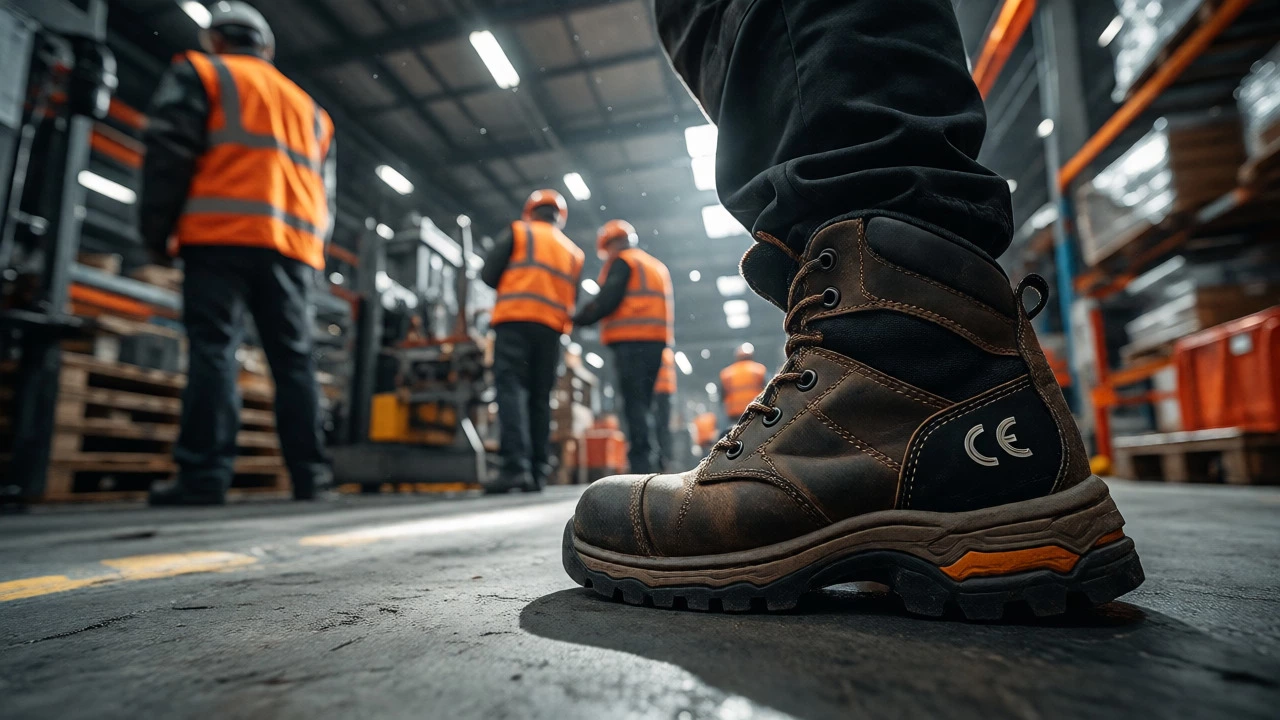
If your job involves heavy machinery, construction sites, hospitals, or kitchens, forget about style points. The Health and Safety Authority (HSA) in Ireland sets strict guidelines here. If your employer says "safety boots," they mean steel-toe caps. No exceptions.
In sectors like manufacturing or logistics, which are huge employers in regions like the Midlands and the West, wearing non-compliant footwear isn’t just a dress code violation-it’s a liability risk. Companies often provide specific safety gear, but if you’re buying your own, look for CE marking. This certification ensures the shoe meets European safety standards for impact resistance and slip prevention.
- Steel Toe: Essential for construction, warehousing, and engineering roles.
- Slip-Resistant Soles: Critical for hospitality staff working in busy kitchens or healthcare workers dealing with spills.
- Electrical Hazard Protection: Required for electricians and engineers working near live circuits.
Don’t try to sneak in a pair of fashionable sneakers with thin soles into a factory floor. You’ll get sent home, and nobody wants to lose half a day’s pay because their shoes didn’t meet the HSA standard.
Corporate and Office Environments
For those working in offices, the vibe has shifted dramatically over the last decade. The old-school rule of "black leather oxfords only" is fading. Many companies in Dublin’s Silicon Docks or Galway’s business parks now embrace "business casual." But "casual" doesn’t mean "messy."
Here’s the general consensus for modern Irish offices:
| Dress Code | Allowed | Avoid |
|---|---|---|
| Formal Business | Leather oxfords, loafers, closed-toe pumps, high heels (3-5cm) | Sneakers, sandals, open-toed flats |
| Business Casual | Clean sneakers (minimalist), chukka boots, smart loafers, ankle boots | Gym trainers, flip-flops, worn-out canvas shoes |
| Casual / Tech | Stylish trainers, clean boots, espadrilles | Bathrobes, beach sandals, dirty hiking boots |
A big trend in cities like Belfast and Dublin is the rise of "smart sneakers." Brands like Allbirds or Veja are common sights. They look professional enough for client meetings but offer the comfort needed for long days. However, if you’re meeting a bank manager or a lawyer, stick to traditional leather. When in doubt, overdress slightly rather than underdress.
Hospitality and Retail: Comfort Meets Compliance
Ireland’s tourism industry is massive. From waitstaff in Temple Bar to hotel receptionists in Kerry, feet take a beating. Here, the primary concern is slip resistance and support. You might be on your feet for eight hours straight.
Most restaurants require black, non-slip shoes. Why black? Because grease stains show up less, and it looks uniform. Look for brands like Dansko or Birkenstock Professional lines. These aren’t cheap, but they save your back and knees. In Galway, where the cobblestones are unforgiving, even retail staff often opt for supportive boots over delicate flats.
Check your employee handbook. Some chains, like Tesco or Dunnes Stores, have specific uniform policies regarding footwear. Usually, plain black or dark brown leather shoes are mandatory. Patterned socks are often tolerated, but flashy patterns might draw attention during a shift.
The Weather Factor: Rain and Puddles
You cannot talk about Irish workwear without talking about rain. It’s not just a cliché; it’s a daily reality. Wearing suede shoes in November in Cork is a recipe for disaster. Suede absorbs water instantly, leading to ruined materials and cold, wet feet.
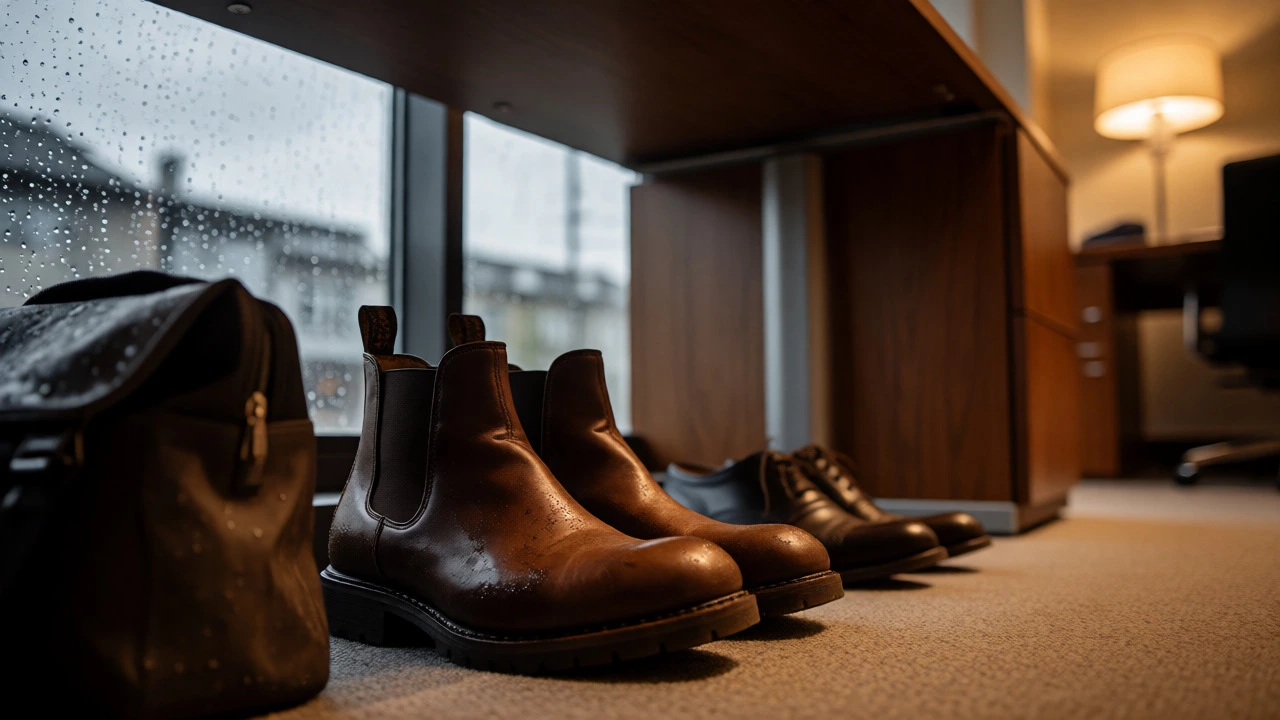
Opt for treated leather or waterproof synthetics. Gore-Tex lining is your best friend. If you commute via Luas or bus, consider changing shoes upon arrival. Keeping a spare pair of dry loafers under your desk is a pro move many experienced professionals swear by. It keeps your office carpet clean and your mood bright when the skies turn grey.
Cultural Nuances and Industry Specifics
Not all industries view footwear the same way. In creative agencies or startups, individuality is celebrated. Wearing unique, colorful, or vintage shoes might actually boost your brand image. Conversely, in finance or law, conservatism reigns supreme. Stick to neutral colors-black, navy, brown.
Also, consider the local culture. In rural areas, practicality often trumps aesthetics. Farmers and agricultural workers need sturdy, mud-proof boots. In urban centers, appearance matters more due to higher foot traffic and face-to-face networking. If you’re new to an Irish workplace, observe what senior colleagues wear for the first week before making bold choices.
How to Check Your Company Policy
Every company is different. Don’t rely on hearsay. Here’s how to find out what’s allowed:
- Read the Employee Handbook: Most HR departments publish a clear dress code document.
- Ask HR Directly: Send a quick email. It’s better to ask than to be reprimanded later.
- Observe Management: What do your bosses wear? They set the tone.
- Consider Client Interaction: Do you meet clients? If yes, lean towards formal. If you’re internal-only, casual might be fine.
Remember, dress codes are often about team unity and professionalism, not just restriction. Following them shows respect for the workplace environment.
Frequently Asked Questions
Can I wear jeans and trainers to work in Ireland?
It depends entirely on the company culture. In tech startups and creative firms in Dublin or Cork, dark jeans and clean, minimalist trainers are widely accepted. However, in traditional sectors like banking, law, or government offices, this combination is usually too casual. Always check your specific office policy first.
Are open-toed shoes allowed in Irish offices?
Generally, no. Open-toed shoes are rarely permitted in formal or semi-formal environments due to safety concerns and professional aesthetics. Exceptions might exist in very casual summer Fridays or specific creative roles, but closed-toe options are always safer. In healthcare settings, open toes are strictly prohibited for hygiene reasons.
What are the best work shoes for rainy weather in Ireland?
Waterproof leather boots or shoes with Gore-Tex linings are ideal. Avoid suede unless it is heavily treated. Leather Chelsea boots are a popular choice because they are easy to put on and off, stylish enough for offices, and robust enough for puddles. Ensure they have good grip to prevent slipping on wet tiles or pavement.
Do I need to buy expensive safety boots?
You don't necessarily need luxury brands, but you must buy certified ones. Cheap, uncertified boots may fail safety tests and cause injury. Mid-range brands often offer the best balance of durability, comfort, and price. Remember, some employers subsidize safety gear, so ask your manager before spending your own money.
Is it okay to change shoes at work?
Yes, this is very common, especially among commuters who walk or cycle to work. Many people wear practical walking shoes for the commute and switch to formal shoes once they arrive. Just ensure you have storage space under your desk or in a locker. It helps keep your office area clean and protects your formal shoes from damage.