Is My Shoe Irish-Approved?
Check Your Shoes Against Irish Standards
Ireland's weather demands practical footwear. Check if your shoes meet the criteria for surviving Irish rain, mud, and cobblestones.
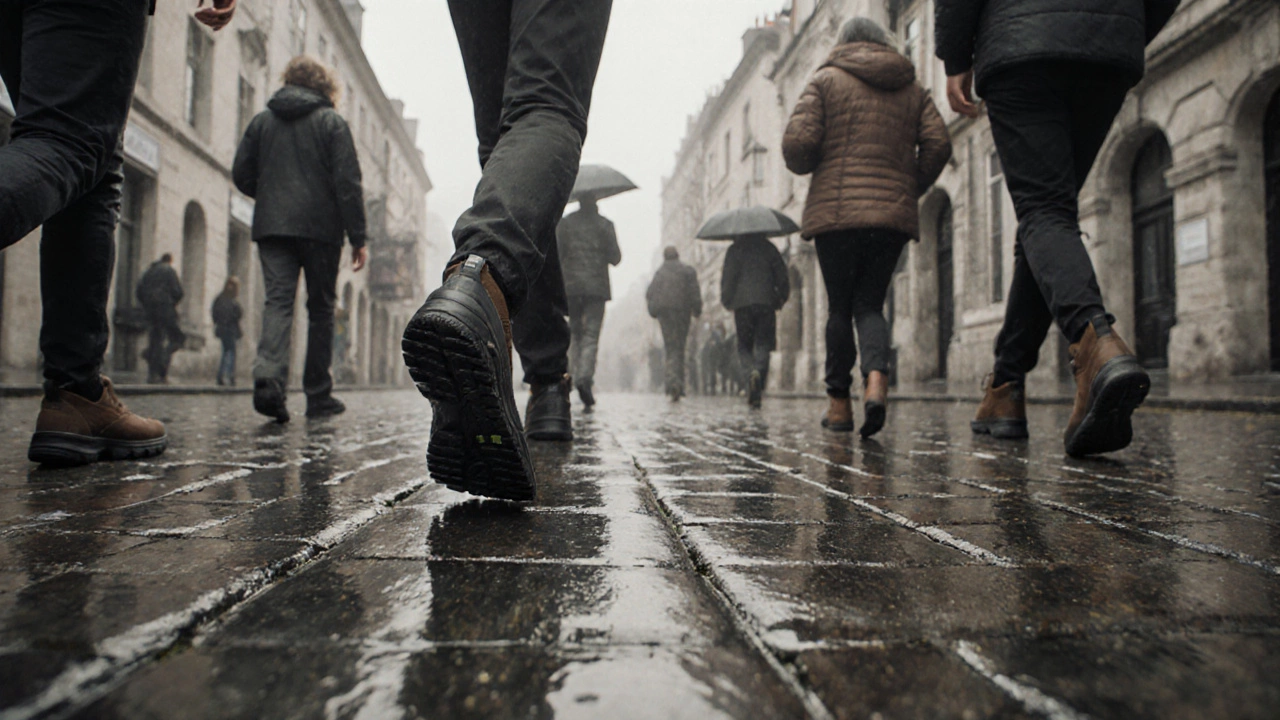
In Ireland, the most worn shoe type isn’t the flashy sneaker you see on Instagram or the polished loafer worn in boardrooms-it’s the sturdy, waterproof walking shoe. From the misty trails of the Wicklow Mountains to the cobbled streets of Galway, this is the shoe that carries people through rain, mud, and endless pavement. It’s not a trend. It’s a necessity. And it’s worn by everyone-from students rushing to class in University College Dublin to retirees walking the Wild Atlantic Way.
Why Walking Shoes Dominate Irish Daily Life
Ireland’s weather doesn’t wait for you to plan. One minute it’s sunny over the Burren; the next, you’re soaked through on the Dingle Peninsula. No one here buys shoes just for looks. You buy them to survive the damp. The Irish market doesn’t care about seasonal fashion cycles. It cares about dry feet, grip on wet stone, and comfort after eight hours on your feet.
Look around any town on a Monday morning: teachers, nurses, shopkeepers, and farmers are all wearing the same thing-low-cut, cushioned walking shoes with rubber soles. Brands like Clarks, ECCO, and Aigle are everywhere. You’ll spot them in Limerick pharmacies, Cork supermarkets, and Belfast bus stops. Even in Dublin’s city center, where fashion trends move faster, you’ll still see more people in waterproof walking shoes than in designer sneakers.
The Irish Footwear Reality: Rain, Roads, and Reliability
It’s not just about rain. Ireland’s infrastructure doesn’t make it easy. Many sidewalks are uneven, cracked, or covered in moss after a weekend storm. Bus stops in Sligo often flood. Rural lanes near Kenmare turn to sludge after heavy rain. A shoe with a deep tread and waterproof membrane isn’t a luxury-it’s the only thing that keeps you from slipping, soaking, or getting stuck.
Take the average Irish commute. A person might walk 15 minutes to the bus, ride 20 minutes to work, then walk another 10 minutes to their office. That’s 45 minutes of exposure to the elements. No one wants to change shoes halfway through the day. So they wear the same pair from morning till night: a low-profile, breathable walking shoe with a memory foam insole. Brands like Rockport and Merrell dominate because they’ve learned this. They make shoes that work in Galway’s coastal wind and Donegal’s peat bogs.
What Makes a Shoe ‘Irish-Approved’?
There’s a quiet checklist in every Irish shopper’s mind when they pick footwear:
- Waterproofing-not just water-resistant. If water seeps in after 20 minutes in a downpour, it’s not Irish-approved.
- Non-slip sole-the tread must grip wet cobblestones, mossy paths, and Dublin’s old brick sidewalks.
- Lightweight-heavy boots are for hiking. Daily wear needs to feel like slippers with armor.
- Easy to clean-mud from the Ballycotton coastline shouldn’t require a scrub brush.
- Neutral color-black, charcoal, dark brown. Bright colors don’t last long in Ireland’s climate.
Even kids in primary schools wear these. You’ll see them in uniform shops like Irish Schoolwear in Limerick or Uniform Direct in Belfast. Parents don’t ask for ‘trendy’-they ask for ‘can survive the bus ride home in January’.
The Sneaker Myth: Why Trainers Don’t Win
You might think trainers-especially those branded with Nike, Adidas, or New Balance-are the most worn. But here’s the truth: most ‘trainers’ sold in Ireland are worn once or twice, then left at the door. Why? Because most are designed for dry gym floors, not Irish puddles.
Try wearing a standard Nike Air Max on a wet Dublin street. The sole squelches. The mesh gets soaked. The insole turns spongy. By lunchtime, your socks are damp. No one wants that. So they swap them out for a pair of ECCO Soft 7s or Clarks Unstructured. These aren’t marketed as ‘athletic’. They’re marketed as ‘all-day comfort’-and that’s what sells.
Even in the fitness-crazed corners of Cork or Galway, people who run on the River Lee path or the Dún Laoghaire promenade wear trail-running shoes with waterproof uppers-not street sneakers. The Irish fitness scene doesn’t care about neon colors. It cares about durability.
Where Ireland Buys Its Shoes
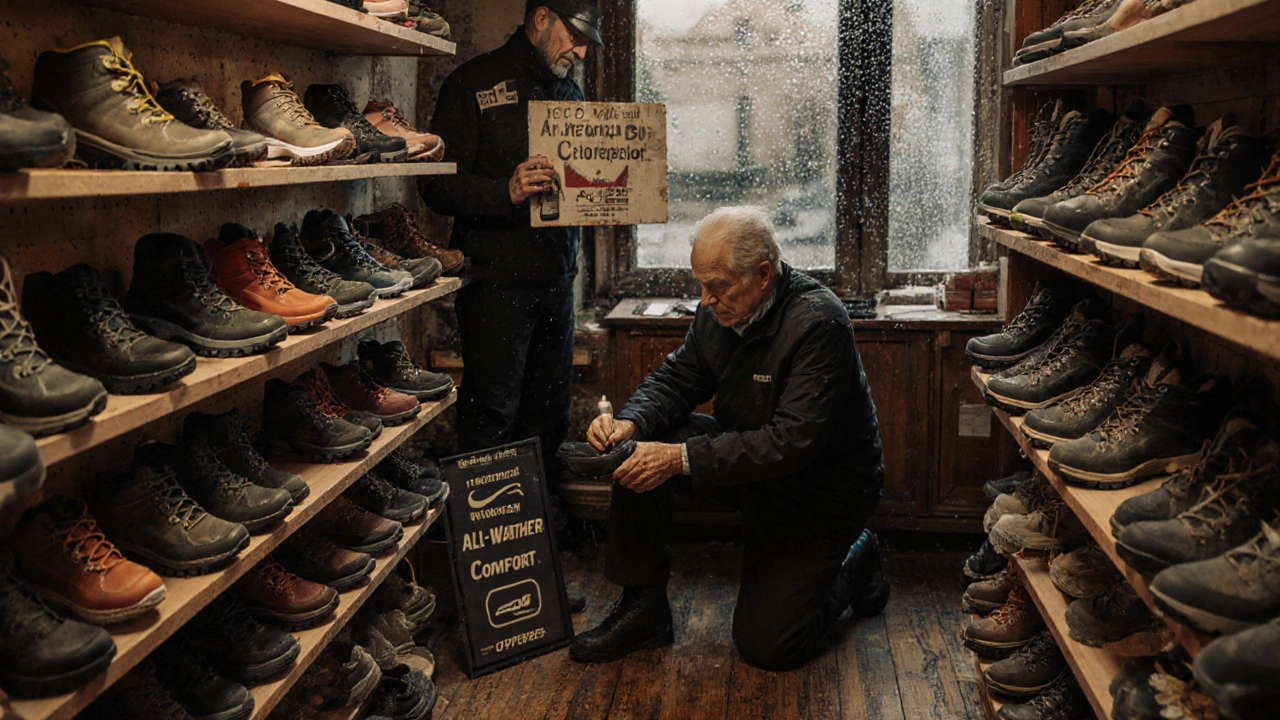
You won’t find the most worn shoes in luxury boutiques. They’re in the local shoe shops that have been around since the 1980s. In Waterford, you’ll find Shoe World on The Mall. In Sligo, McGrath’s Footwear has three generations of loyal customers. In Dublin, Foot Locker sells trainers-but the walking shoe section? That’s where the real traffic is.
Online, Irish shoppers go to ShoeZone, Boots, and Amazon UK (because delivery to Ireland is faster than from US warehouses). But even online, the top-selling items are always the same: ECCO Biom, Clarks Wave Step, Aigle Parcours. These aren’t trendy names-they’re trusted ones.
Seasonal Shifts? Not Really
There’s no real ‘summer shoe’ in Ireland. Even in July, the rain doesn’t stop. So the same walking shoe you wore in March is still on your feet in August. People don’t own 10 pairs. They own one or two that last two years. That’s why repair shops like Shoe Repair Ireland in Louth or Soles of the West in Galway are thriving. Replacing a sole costs €25. Buying a new pair? €80. The math is simple.
And when winter hits? No one switches to heavy boots unless they’re farming or hiking. For daily life, the walking shoe stays. With a wool sock and a waterproof spray, it’s enough.
The Cultural Secret Behind the Choice
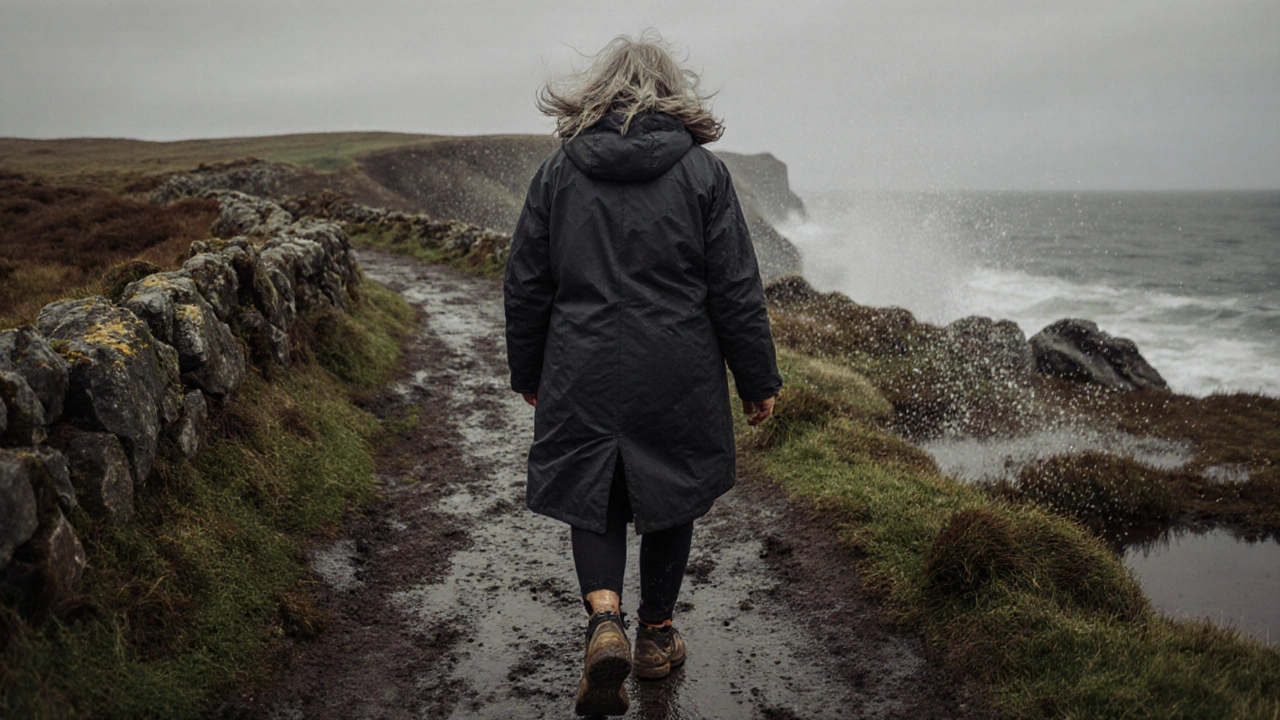
There’s a quiet pride in wearing something that works. In Ireland, flashy shoes signal inauthenticity. Wearing the same pair for two years isn’t cheap-it’s smart. It’s practical. It’s Irish.
You’ll never hear someone say, ‘I need new shoes for the weekend.’ Instead, you’ll hear, ‘I need to get my soles regripped before the Galway Races.’ That’s the mindset. Footwear isn’t about fashion. It’s about function. About getting from one place to another without aching feet or wet socks.
Even in the music scene-where people flock to Whelan’s in Dublin or the Button Factory in Limerick-you’ll see the same shoes on stage and off. No one wants to slip while dancing on a wet floor. So they wear the same sturdy pair they wore to the grocery store.
What to Buy If You Live in Ireland
If you’re new to Ireland-or just tired of soggy feet-here’s what to look for:
- Start with ECCO Soft 7-light, waterproof, and cushioned enough for all-day wear.
- Try Clarks Unstructured Wave Step-a favorite among nurses and teachers.
- For wetter climates like Mayo or Donegal, go for Aigle Parcours-designed for French marshes, but perfect for Irish bogs.
- Check out Merrell Moab 2 if you walk hills or trails often.
- Avoid anything with mesh uppers, bright colors, or thin soles.
Buy from a store with a return policy. Try them on in the afternoon-feet swell. Walk on the shop’s tile floor. Ask if they have a waterproof spray you can buy with them.
Final Thought: It’s Not About Style. It’s About Survival.
The most worn shoe in Ireland isn’t the most expensive. It’s not the most stylish. It’s the one that lets you walk through rain, mud, and stone without a second thought. It’s the shoe your grandmother wore. The one your teacher wears. The one your neighbor buys every two years because the sole’s worn thin but the upper’s still good.
In Ireland, your shoes don’t say who you are. They say you’ve learned how to live here.
Are sneakers popular in Ireland?
Sneakers are bought, but rarely worn daily. Most are too light, lack waterproofing, and wear out fast in Ireland’s wet conditions. People who buy them often switch to walking shoes within weeks. True daily wear goes to sturdy, waterproof models.
What’s the best brand for walking shoes in Ireland?
ECCO and Clarks lead the market. Both offer waterproof, cushioned, and durable models that handle Irish weather and terrain. Aigle and Merrell are strong runners-up, especially for those walking hills or coastal paths.
Do Irish people wear boots often?
Only for specific jobs-farming, construction, or hiking. For daily use, most prefer low-cut walking shoes. They’re easier to slip on, cleaner to walk in, and dry faster than ankle boots.
Where should I buy walking shoes in Ireland?
Local shoe shops like Shoe World, McGrath’s, or Boots offer the best selection and advice. Online, ShoeZone and Amazon UK deliver quickly. Avoid buying from US sites-they don’t ship fast enough and don’t stock Irish-friendly models.
Can I wear sandals in Ireland?
Only in rare summer heatwaves-and even then, mostly for short trips to the beach. Most Irish people avoid sandals because rain can come at any time. A pair of waterproof walking shoes is always safer.
Next time you’re walking through Limerick’s Newtown Pery or along the coast in Wexford, look down. You’ll see the same shoe on nearly every pair of feet. It’s not a fashion statement. It’s a quiet, practical truth-and the only thing that keeps Ireland moving.