
Irish Hood Survival Index Calculator
Wondering if your current hoodie can handle a Galway squall or a Dublin drizzle? Answer the questions below to get your Hood Survival Score.
Your Hood Survival Score:
0%You’re standing on Salthill Promenade in Galway. The wind has just shifted from a gentle breeze to that specific Atlantic gust that feels like it’s trying to peel your skin off. You pull up the hood of your sweatshirt, expecting shelter. Instead, you get a flimsy piece of fabric that slides back down every time you turn your head. Sound familiar? If you’ve ever wondered what actually makes a hood functional versus decorative, you aren’t alone. In Ireland, where we average over 200 rainy days a year depending on your location, understanding the anatomy of a hoodie isn’t just about fashion-it’s survival.
The question "what is the hood in a hoodie" seems simple, but the answer reveals why some garments keep you dry while others leave you soaked. It’s not just a flap of cloth; it’s an engineered component with specific geometry, material properties, and structural integrity. Let’s break down exactly what constitutes a proper hood, how it differs from a collar, and why this matters when you’re walking from a pub in Dublin to your flat in the rain.
The Basic Anatomy: More Than Just Fabric
A hood is technically defined as a covering for the head, usually attached to the neckline of a garment. But in modern apparel design, specifically within the category of hoodies, the hood serves three distinct functions: thermal regulation, weather shielding, and aesthetic framing. Unlike a beanie or a cap, which are separate accessories, the hood is integrated into the body of the garment. This integration creates a continuous barrier against wind and moisture, preventing cold air from sneaking in through gaps between your neck and head.
Most people think a hood is just a triangle of fabric sewn onto the shoulders. That’s a gross oversimplification. A well-designed hood consists of several key parts:
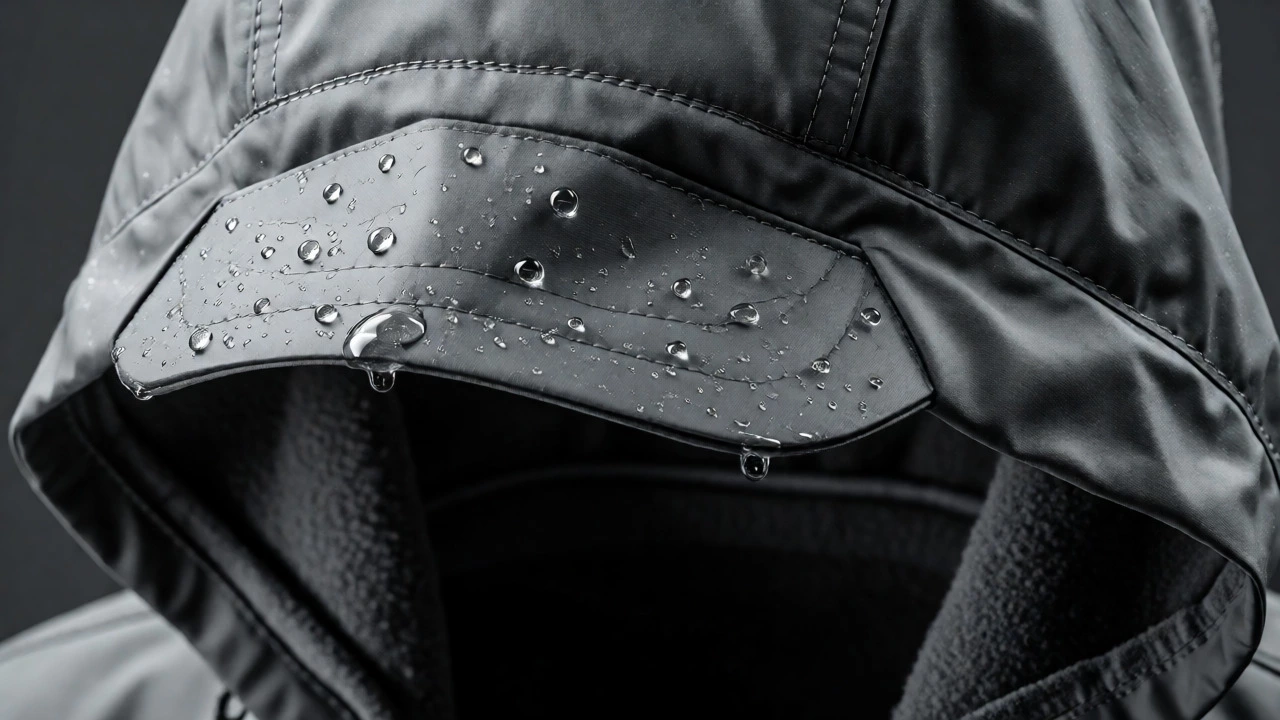
- The Peak (or Brim): Often stiffened with cardboard or plastic, this protrudes from the front to deflect rain away from your eyes.
- The Crown: The top part that covers the skull. Its shape determines whether the hood sits high or slouches low.
- The Side Panels: These frame the face and can be adjusted via drawstrings to create a seal against wind.
- The Neckline Interface: Where the hood meets the collar. This area often includes extra layering to prevent water ingress.
In the Irish context, the lack of a structured peak is a common complaint with cheap fast-fashion hoodies sold in city centre shops. Without that rigid brim, rain runs directly down your forehead and into your eyes during those sudden Galway squalls. A proper hood acts like a mini-umbrella, whereas a poor one acts like a sponge.
Structural Integrity: Why Your Hood Slides Down
If your hood keeps falling back, it’s rarely because you moved too quickly. It’s because of poor weight distribution and insufficient friction. High-quality hoodies use heavier fabrics-typically 350gsm to 450gsm cotton blends-to ensure the hood stays put. When you buy a thin, lightweight hoodie from a discount retailer, the hood lacks the mass required to stay positioned over your head. Gravity wins every time.
Furthermore, look at the stitching. Double-stitched seams along the crown and side panels add rigidity. Single-stitched hems tend to curl and lose shape after a few washes. In cities like Cork or Limerick, where humidity levels remain consistently high, fabric degradation happens faster. A structurally sound hood retains its dome shape, creating an air pocket around your head that traps heat. A collapsed hood offers zero insulation.
| Hood Type | Structure | Rain Resistance | Best For |
|---|---|---|---|
| Unlined Sweatshirt Hood | Single layer fleece | Low | Indoor wear, mild summer days |
| Lined Technical Hood | Fleece inner, nylon outer | High | Commuting, coastal walks |
| Structured Peak Hood | Reinforced brim, shaped crown | Very High | Heavy rain, windy conditions |
Material Matters: Cotton vs. Tech Fabrics
Cotton is king in the hoodie world, but it has a fatal flaw: it absorbs water. Once a cotton hood gets wet, it becomes heavy, takes hours to dry, and loses all insulating properties. If you’re cycling to work in Dublin or waiting for a bus in Belfast, a wet cotton hood is miserable. This is why many premium brands now incorporate synthetic blends or technical coatings.
Consider GORE-TEX membranes or DWR (Durable Water Repellent) treatments. These technologies allow the fabric to breathe while shedding water droplets. While you won’t find full GORE-TEX on a casual gym hoodie, you will see it on hybrid styles designed for urban outdoor use. Brands like Patagonia or local Irish labels focusing on sustainable tech-wear often use recycled polyester blends that resist moisture better than pure cotton.
For residents in western Ireland, where rainfall is significantly higher than in the east, opting for a hood with a hydrophobic lining is a smart investment. It prevents that clammy feeling against your scalp when the mist rolls in off the Atlantic.
The Drawstring Debate: Safety and Style
Drawstrings serve a practical purpose: they tighten the opening around your face to block wind. However, they also pose a safety hazard, particularly for children. In 2019, regulations were tightened across the EU regarding drawstrings on children’s upper outerwear to prevent strangulation risks. Adults have more freedom, but poorly managed drawstrings can snag on door handles or bike chains.
Some modern designs have moved to elasticated hems instead of strings. This offers a cleaner look and eliminates snagging risks, though it sacrifices adjustability. If you wear glasses, an adjustable drawstring allows you to loosen the hood slightly so it doesn’t press your temples uncomfortably. In contrast, a fixed elastic band might push your frames out of place during a long walk along the Cliffs of Moher.
Cultural Context: The Hoodie in Irish Society
Historically, the hoodie carried a stigma in Ireland, often associated with anti-social behaviour or youth culture stereotypes. Walking into a nice restaurant in Dublin City Centre with your hood up was considered rude, even if you were drenched. However, attitudes have shifted dramatically. The rise of streetwear culture, fueled by global trends and local influencers, has normalized hoodies in almost every setting except formal business environments.
Today, wearing a hood is a practical response to our unpredictable climate. You’ll see professionals in tech companies in Silicon Docks wearing high-end, tailored hoodies under blazers. The key is fit and quality. A bulky, ill-fitting hood looks sloppy; a streamlined, structured hood looks intentional. In Galway, where the arts scene thrives, the hoodie has become a canvas for self-expression, with local artists printing designs that reflect Irish mythology or contemporary social issues.

How to Choose the Right Hood for Your Lifestyle
Selecting the right hoodie depends on your daily routine. Ask yourself these questions before buying:
- Do I commute outdoors? If yes, prioritize water resistance and a structured peak.
- Do I wear glasses? Look for deeper hoods that don’t rest heavily on the bridge of your nose.
- Is style my priority? Unlined, soft-touch cotton hoods offer the best silhouette for casual outings.
- Am I active? Breathable mesh-lined hoods prevent overheating during jogging or hiking.
For students in Trinity College or UCD, a mid-weight hoodie with a decent lining is ideal for moving between heated lecture halls and chilly quads. For tradespeople working on construction sites in rural counties, a heavy-duty, reinforced hood protects against debris and rain simultaneously.
Maintenance: Keeping Your Hood Functional
Your hood degrades faster than the rest of the hoodie because it accumulates oils from your hair and sweat. To extend its life, avoid washing your hoodie at high temperatures. Hot water breaks down the elastane fibers that give the hood its stretch and shape. Use cold water cycles and air dry whenever possible. Tumble drying shrinks cotton hoods, causing them to sit tighter and less comfortably on your head.
If your hood has lost its shape, try steaming it. Hold a steam iron near the fabric (without touching) and gently reshape the crown with your hands while damp. This resets the memory of the fabric, restoring the dome structure essential for effective rain deflection.
Frequently Asked Questions
Why does my hoodie hood slide down constantly?
This usually happens due to insufficient weight in the fabric or a lack of structural reinforcement. Lightweight cotton hoods lack the mass to stay in place against gravity and movement. Additionally, if the neckline is too wide, there isn't enough friction around your neck to hold it up. Look for hoodies with double-layered hoods or stiffer collars for better retention.
Are hoods effective in heavy Irish rain?
Standard cotton hoods are not waterproof; they absorb water and eventually leak. For heavy rain, you need a hood made from synthetic materials with a DWR coating or a dedicated rain jacket with an integrated hood. However, a thick fleece hood can provide temporary protection against light drizzle and wind, keeping your head warm even if it gets damp.
Should I remove the drawstrings from my hoodie?
For adults, drawstrings are useful for adjusting the fit around the face to block wind. However, if you engage in activities involving machinery, cycling, or climbing, removing them reduces the risk of snagging. Some people replace standard strings with leather cords or metal tips for a more durable and stylish finish that resists fraying.
What is the difference between a hood and a cowl neck?
A hood is a separate panel attached to the shoulder line that covers the entire head. A cowl neck is a draped fold of fabric around the neck that may cover the back of the head but does not fully enclose it. Hoods offer superior protection against wind and rain from all angles, while cowl necks primarily provide warmth to the neck and upper chest.
Can I fix a misshapen hood?
Yes. Soak the hood in lukewarm water, then gently squeeze out excess moisture without wringing. Reshape the crown and sides with your fingers to match the original contour. Let it air dry in a well-ventilated area. Using a handheld steamer can help relax the fibers and restore the dome shape more effectively than air drying alone.