T-Shirt Quality Analyzer
Enter the specifications of the t-shirt you are considering to determine if it meets high-quality standards.
Quality Score
Living in Ireland means dealing with a wardrobe that needs to handle everything from crisp, sunny days in Galway Bay to sudden, soaking rains on the Cliffs of Moher. When you’re looking for the perfect base layer or a casual top for a night out in Dublin’s Temple Bar, one question always comes up: what actually makes a high quality t-shirt? It isn’t just about the price tag at Brown Thomas or the brand logo on the chest. True quality is hidden in the weave, the weight, and the origin of the cotton.
If you’ve ever bought a cheap tee that shrank after one wash or developed holes under the arms by Christmas, you know the frustration. In the Irish market, where sustainability and durability are increasingly important to consumers, understanding fabric construction is key. Let’s break down exactly what you should look for when hunting for the best tees, whether you’re shopping locally in Cork or browsing online.
The Weight Matters: Understanding GSM
The single most important metric for t-shirt quality is GSM, which stands for grams per square meter. This number tells you how heavy-and therefore how durable-the fabric is. Most fast-fashion brands sell shirts between 130 and 150 GSM. These are thin, often see-through, and prone to stretching out into a weird shape after a few wears.
For a truly high-quality experience, aim for a range between 180 and 240 GSM. Here is why:
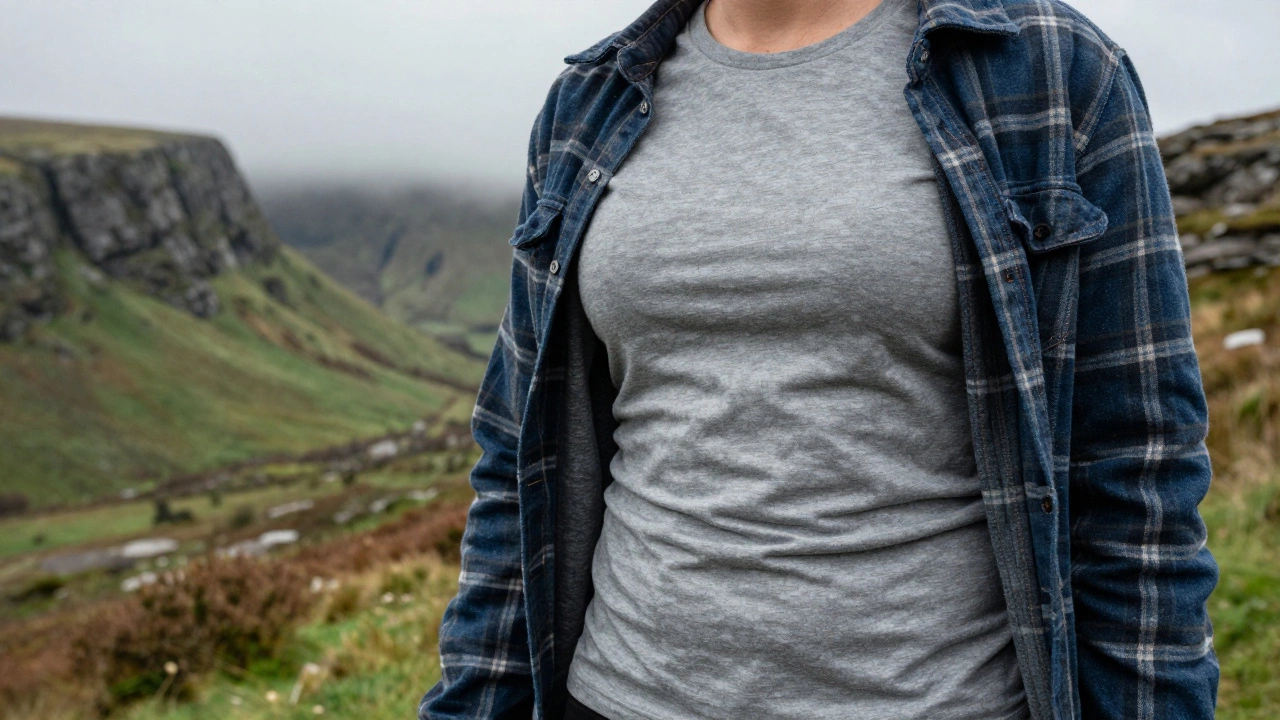
- 180-200 GSM: This is the sweet spot for everyday wear. It’s substantial enough to be opaque but light enough to layer under a flannel shirt during those chilly autumn evenings in Killarney.
- 200-240 GSM: These are heavyweight tees. They hold their shape incredibly well, resist pilling, and provide warmth. Brands like American Apparel (historically) or local Irish labels focusing on heritage wear often use this weight.
- Above 240 GSM: These can feel stiff and uncomfortable, more like a canvas bag than clothing. Unless you live in a very cold climate without layers, they might be overkill.
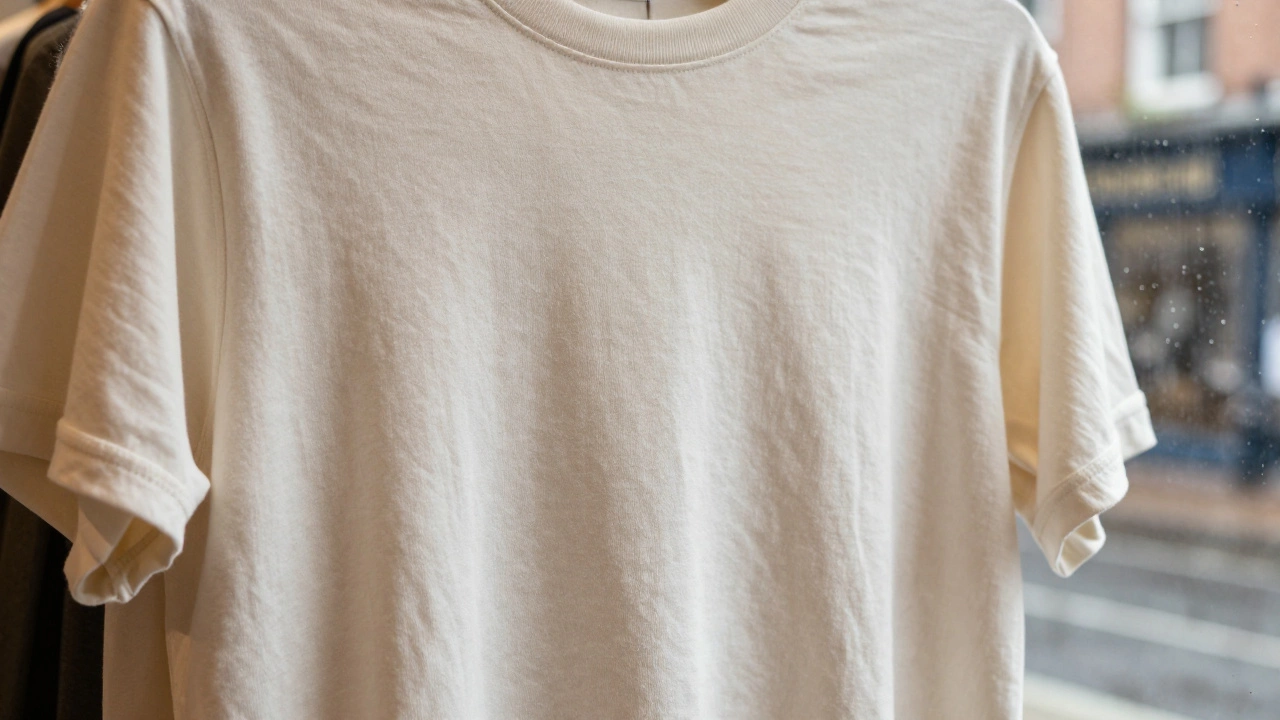
When you run your hand over a high-GSM shirt, it should feel dense and smooth, not flimsy. If you can easily see through the fabric when holding it up to the light in a shop window in Grafton Street, put it back.
Fiber Length and Cotton Origin
Not all cotton is created equal. The length of the cotton fiber determines the softness and longevity of the shirt. Short-staple cotton, which is cheaper to produce, tends to pill quickly and feels rougher against the skin. Long-staple cotton fibers align better during spinning, creating a smoother surface that resists fuzziness.
Look for these specific terms on the label:
- Pima Cotton: Grown primarily in the US, Peru, and Australia, Pima has extra-long staple fibers. It’s silky, strong, and breathable.
- Supima Cotton: This is the premium version of Pima, grown exclusively in the USA. It guarantees extra-long staple fibers. If you see the Supima logo, you’re getting top-tier material.
- Egyptian Cotton: Historically famous for its luxury, though the term is sometimes misused. Look for "Giza" cotton, which refers to the specific region in Egypt known for high-quality fibers.
- Merino Wool Blends: For the Irish weather, some high-end brands blend cotton with merino wool. This adds temperature regulation and odor resistance, perfect for hiking the Wicklow Mountains.
In Ireland, there is a growing movement towards supporting local agriculture. While we don’t grow commercial cotton here due to our damp climate, many Irish brands partner with ethical farms globally to ensure traceability. Knowing where your cotton comes from adds a layer of value beyond just the physical texture.
Weave Types: Jersey vs. Ribbed
The way the yarn is woven affects how the shirt fits and moves. The most common weave for t-shirts is Jersey Knit. This is a single-knit structure that stretches horizontally but not vertically. High-quality jersey uses interlocking loops that recover their shape well.
Another option is Ribbed Knit, which has vertical ridges. Ribbed shirts stretch in both directions, making them great for fitted styles or thermal layers under jackets. However, pure ribbed tees can sometimes cling too tightly if not blended with elastane or spandex for recovery.
For a classic, versatile look, stick with a fine-gauge jersey knit. It lays flat, looks polished with chinos or jeans, and doesn’t bunch up awkwardly. If you’re buying from a specialist store in Galway or Dublin, ask the staff about the gauge. A finer gauge usually indicates a more refined finish.
Construction Details That Reveal Quality
You can have the best cotton in the world, but if the construction is poor, the shirt will fall apart. Pay attention to these small details when inspecting a garment:
- Seams: Look for flatlock seams. These lie flat against the skin and reduce friction, preventing chafing. Standard overlock seams can be bulky and irritating.
- Hemming: High-quality shirts often have double-needle stitching on the hem and sleeves. This creates a clean, professional look and reinforces the edges so they don’t unravel.
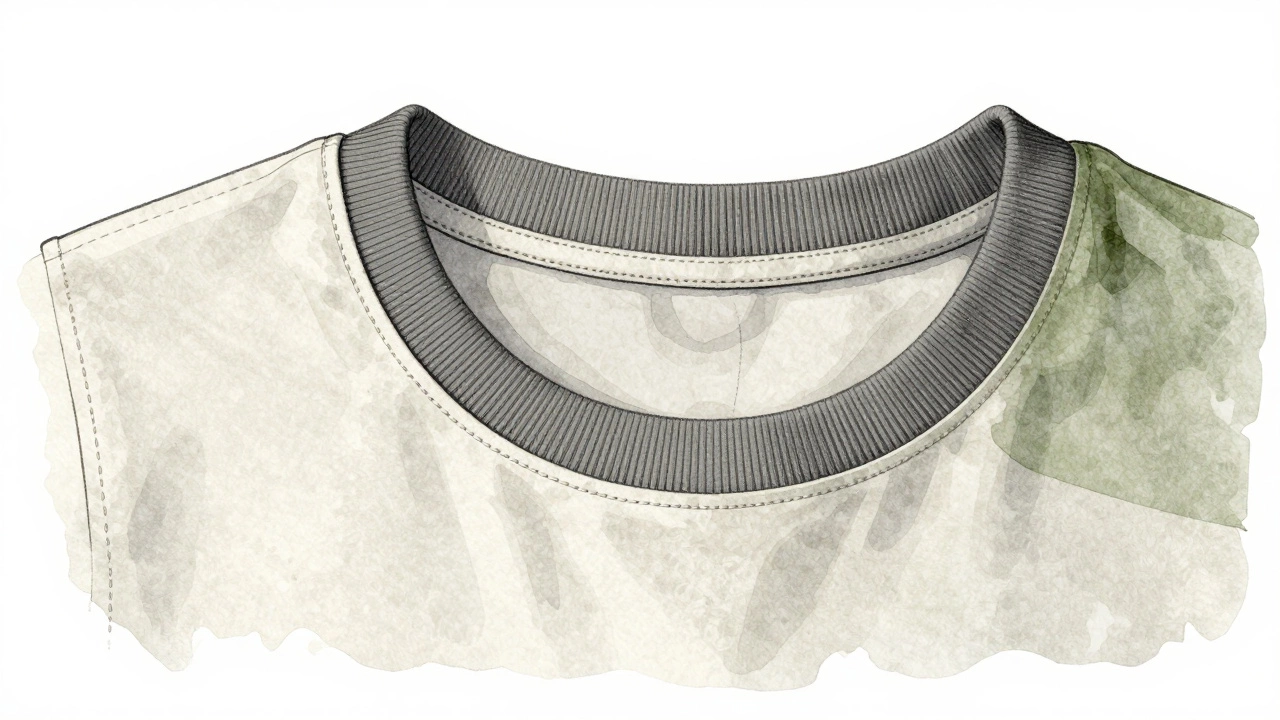
- Collar Binding: The neckline is the first place to go bad. Cheap shirts use simple folded hems that stretch out. Better shirts use a separate band of fabric (ribbing) bound around the neck. Even better, look for reinforced stays inside the collar to keep it round.
- Side Seams: Check if the side seams are straight and aligned. Misaligned seams indicate poor manufacturing standards.
Many Irish consumers are turning to local tailors or alteration services in cities like Limerick and Waterford to fix minor fit issues, extending the life of their favorite pieces. A well-constructed shirt should withstand years of washing without losing its silhouette.
Sustainability and Ethical Production
In 2026, buying a high-quality t-shirt also means considering its environmental impact. The fashion industry is a major polluter, and Ireland has seen a surge in awareness regarding circular fashion. High-quality doesn’t just mean durable; it means responsibly made.
Look for certifications such as:
- GOTS (Global Organic Textile Standard): Ensures the cotton is organic and processed without harmful chemicals.
- OEKO-TEX Standard 100: Certifies that the fabric is free from harmful substances.
- B Corp Certification: Indicates the company meets high standards of social and environmental performance.
Ireland has a vibrant community of sustainable fashion advocates. Brands like Twinings (known for tea, but illustrative of Irish brand values) and various local startups emphasize transparency. Supporting brands that pay fair wages and use low-impact dyes ensures your purchase supports a healthier planet. Plus, organic cotton often feels softer because it hasn’t been treated with harsh bleaches.
| Feature | Low Quality | High Quality |
|---|---|---|
| GSM Weight | 130-150 GSM | 180-240 GSM |
| Cotton Type | Short-staple conventional | Long-staple Pima/Supima/Organic |
| Seams | Overlock, bulky | Flatlock, smooth |
| Collar | Simple fold, stretches easily | Bound ribbing, reinforced |
| Lifespan | 1-2 seasons | 5+ years with care |
Where to Shop for Premium Tees in Ireland
Finding these quality markers requires knowing where to look. In Ireland, you have several options ranging from high-street retailers to niche boutiques.
Department Stores: Brown Thomas in Dublin offers a curated selection of premium brands like Uniqlo U line, which provides excellent value for high-GSM cotton. Marks & Spencer, with stores across the country including Galway and Cork, consistently stocks long-sleeved and short-sleeved tees with good GSM ratings and reliable sizing.
Specialist Retailers: Look for independent shops in areas like Temple Bar or the Smithfield area in Dublin. These stores often carry European brands that prioritize craftsmanship. In Galway, shops along Spanish Arch offer unique finds from designers who focus on natural fibers.
Online Marketplaces: Websites like Etsy allow you to connect directly with makers. You can find Irish-based creators selling hand-dyed or screen-printed tees using high-quality blanks. Always check reviews and product descriptions for GSM and fabric composition before buying.
Remember, investing in fewer, higher-quality items saves money in the long run. A €40 t-shirt that lasts five years is cheaper than five €10 shirts that need replacing every year.
Caring for Your Investment
Even the best t-shirt will degrade if treated poorly. To maintain the quality of your investment, follow these care tips:
- Wash Cold: Hot water breaks down fibers and causes shrinkage. Use a 30°C cycle.
- Tumble Dry Low or Air Dry: High heat damages elasticity. Hanging your shirt to dry preserves the shape and reduces energy usage.
- Turn Inside Out: This protects the outer surface from abrasion in the washing machine, reducing pilling.
- Avoid Bleach: Bleach weakens cotton fibers. Use color-safe alternatives if needed.
By treating your clothes with respect, you extend their life and reduce waste-a practice that resonates deeply with the Irish ethos of stewardship and sustainability.
Is 100% cotton the best material for a t-shirt?
100% cotton is breathable and comfortable, but it can shrink and wrinkle. For higher performance, consider blends with 5-10% elastane for stretch recovery, or merino wool for temperature regulation, especially useful in Ireland's variable climate.
What does GSM mean in t-shirts?
GSM stands for grams per square meter. It measures the weight and density of the fabric. Higher GSM (180-240) indicates a thicker, more durable, and higher-quality shirt compared to thinner, lower-GSM options.
How do I know if a t-shirt is ethically made?
Look for certifications like GOTS (organic), OEKO-TEX (safe materials), or B Corp status. Brands that disclose their supply chain and factory locations are generally more transparent and likely to adhere to ethical labor practices.
Where can I buy high-quality t-shirts in Ireland?
You can find premium tees at Brown Thomas, Marks & Spencer, and independent boutiques in Dublin and Galway. Online platforms like Etsy also feature Irish-made options. Focus on brands that specify GSM and cotton type.
Why do my t-shirts lose their shape?
Shape loss is often caused by low-quality cotton, improper washing (hot water), and lack of elastic recovery in the fabric. Investing in higher GSM shirts with reinforced collars and washing them cold helps maintain the original fit.