Irish Activewear Checker
Check if your gear meets Ireland's unique weather requirements. Select your activity and verify you have the essential items for safe, comfortable movement in Ireland's unpredictable climate.
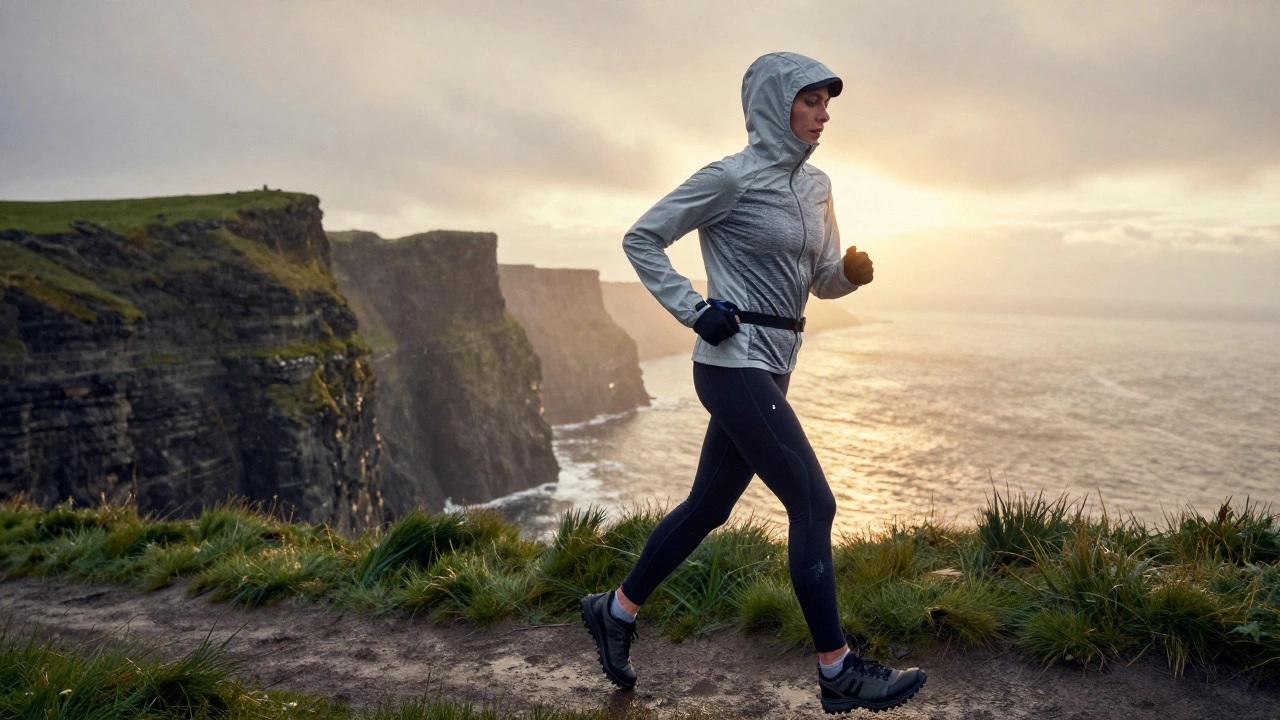
When you’re chasing the sunrise over the Cliffs of Moher, hiking the Wicklow Way, or squeezing in a post-work session at your local gym in Galway, your activewear isn’t just about looking good-it’s about surviving the weather, moving freely, and staying dry. In Ireland, activewear isn’t a trend. It’s a necessity. The damp air, sudden downpours, and unpredictable winds mean your gear has to work harder than in sunnier climates. So what does activewear include when you live here? It’s more than just leggings and a hoodie.
Base Layers That Actually Wicked Moisture
In Ireland, sweat doesn’t evaporate-it clings. That’s why your base layer matters more than ever. Look for fabrics like merino wool or synthetic blends with moisture-wicking tech. Brands like Icebreaker and Smartwool are common in Irish outdoor stores like Cotswold Outdoor in Dublin or Mountain Equipment in Cork. Avoid cotton. Seriously. A cotton t-shirt soaked through from a morning jog in Phoenix Park turns into a cold, heavy blanket by lunchtime. Merino wool, on the other hand, keeps you warm even when wet and doesn’t smell after three days of wear. That’s why so many runners in Dublin’s Fingal region swear by it.Waterproof and Breathable Outerwear
You don’t need a full raincoat for every run. But you do need a shell that breathes. Look for jackets with Gore-Tex or similar membranes. Brands like Regatta and Craghoppers dominate the Irish market because they’re affordable, durable, and designed for wet conditions. You’ll see them in shops from Belfast to Ballina. A lightweight, packable waterproof jacket with a hood is non-negotiable. It fits in a gym bag, clips to your belt, and saves your core from the kind of drizzle that sneaks up in County Kerry between showers. Don’t forget the seam sealing-cheap jackets leak at the stitching after one rainy week in Sligo.High-Waisted, Quick-Dry Leggings
Leggings are the backbone of Irish activewear. But not all leggings are equal. In Ireland, you need high-waisted, four-way stretch, and fast-drying fabric. Brands like lululemon and prAna are popular, but local favourites like Decathlon’s Quechua line offer great value for those on a budget. Look for a waistband that doesn’t roll down during a hill sprint on Howth Head. And avoid anything with a cotton blend-it’ll hang heavy and take hours to dry after a muddy trail in the Burren. Many gyms in Limerick and Waterford now have heated floors, but you still need leggings that won’t cling uncomfortably when you’re sweating.Supportive, Non-Slip Footwear
Your feet are your foundation. In Ireland, the ground is rarely dry. So your shoes need grip, drainage, and cushioning. Trail runners like the Salomon Speedcross or Merrell Moab are everywhere-on the Wicklow Mountains, along the Wild Atlantic Way, and even in the urban parks of Cork. Avoid lightweight running shoes meant for pavement; they’ll slip on wet grass or muddy paths. Look for outsoles with deep lugs and quick-dry uppers. Many Irish runners replace their shoes every 400-500 km-not because they’re worn out, but because they’ve absorbed so much water they’ve lost their bounce.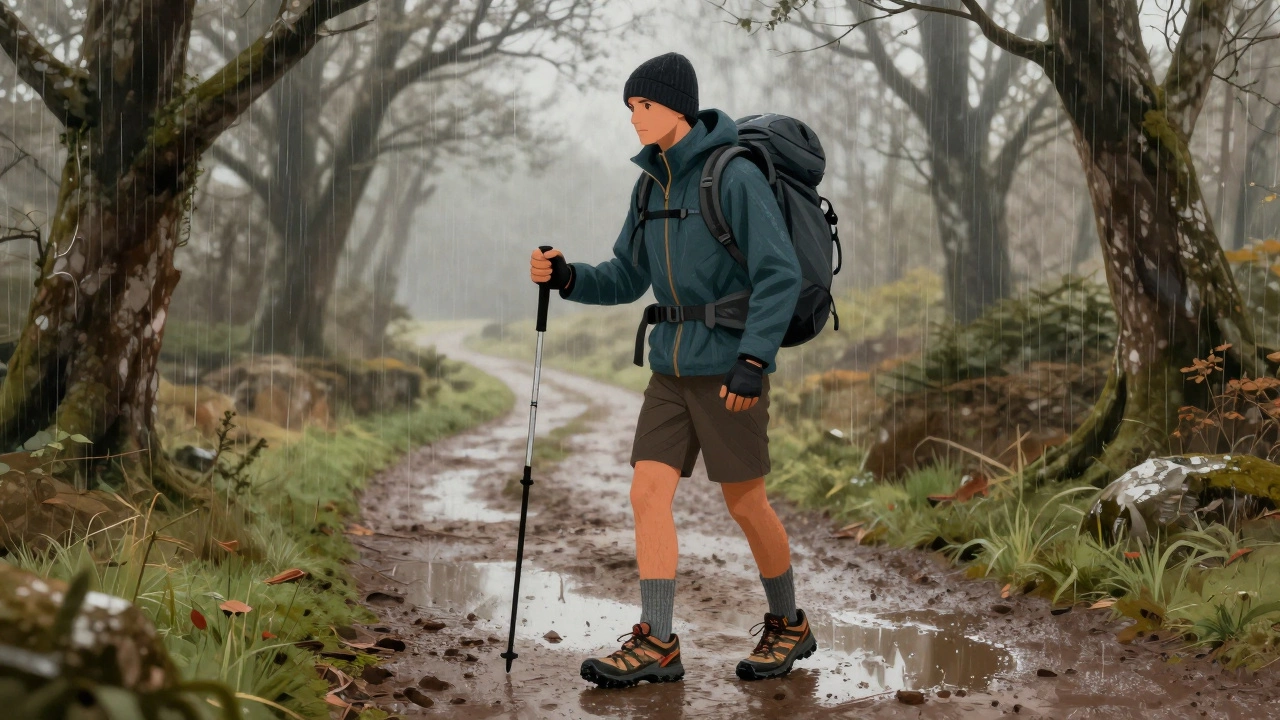
Accessories That Actually Work Here
A hat? Yes. But not just any hat. A lightweight, moisture-wicking headband or beanie made from merino or polyester keeps your ears warm during early morning runs in Derry without overheating. Gloves? Essential. Fingertip gloves let you text or adjust your playlist without freezing your hands. And don’t forget a small, waterproof phone pouch. You’ll need it when you’re caught in a squall near the Giant’s Causeway. For women, a sports bra with good support and moisture management is just as critical as the jacket. Many Irish women swear by Shock Absorber-a UK brand that’s widely available in SuperValu and Tesco pharmacies across the country.What Activewear Doesn’t Include in Ireland
Let’s be clear: activewear here doesn’t mean shiny, tight, neon-coloured outfits meant for Instagram. You won’t see many people in full-body spandex at the local CrossFit box in Galway. It’s not about fashion. It’s about function. No sheer panels. No lace trim. No flimsy fabrics. You’re not in Miami. You’re in a country where rain falls 200+ days a year. Your gear needs to handle mud, wind, and sudden temperature drops. That means avoiding anything that looks good in a studio but fails on a wet trail.Where to Buy in Ireland
You don’t need to order online from abroad. Local options are solid. Decathlon in Dundalk and Limerick has a huge activewear section with tested gear for wet climates. Cotswold Outdoor and Mountain Equipment in Dublin and Belfast carry premium brands with Irish weather in mind. Even SuperValu and Boots now stock basic activewear lines from brands like Decathlon and Under Armour. If you’re in a small town, check out local outdoor shops-places like Outdoor Gear in Ennis or Trail & Tap in Kilkenny often have staff who’ve actually hiked the Wicklow Way and know what works.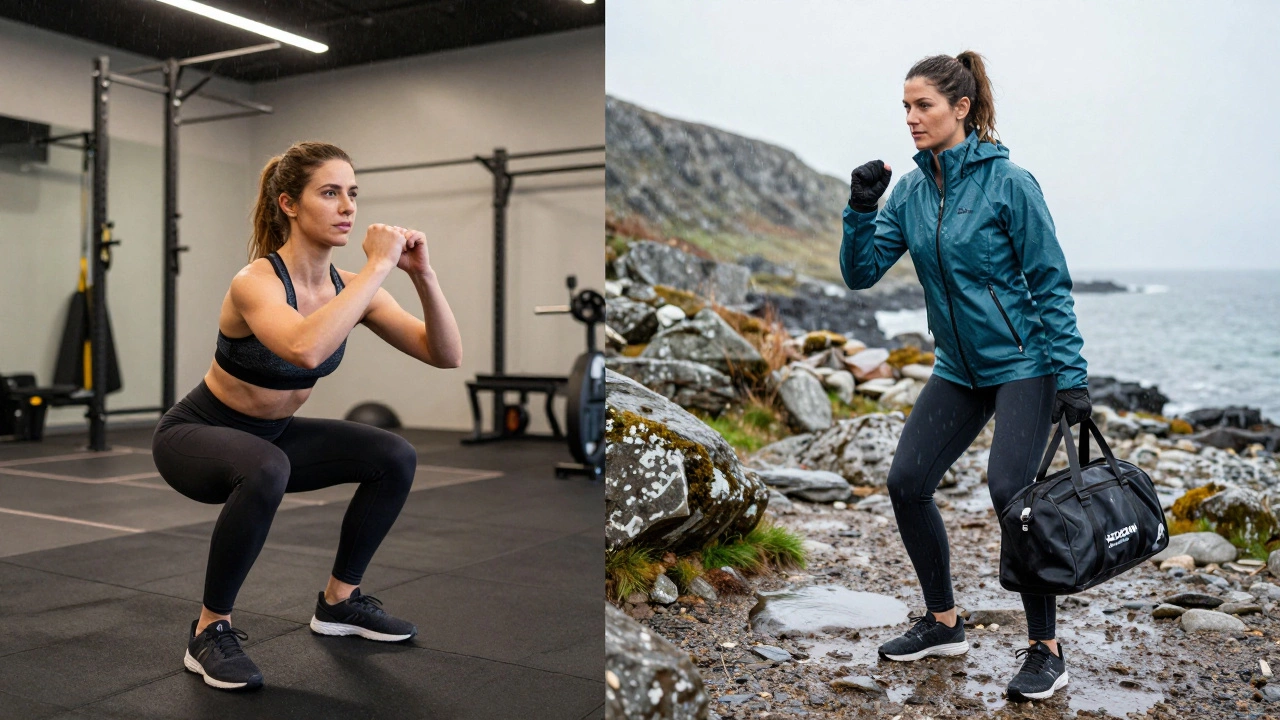
Seasonal Adjustments
Winter in Ireland? Layer up. Thermal base layers, fleece mid-layers, and windproof shells are standard. Summer? Lightweight, breathable, UV-protective fabrics. Many Irish athletes now use UPF 50+ tops from brands like Coolibar or prAna-sunburn hits hard even on cloudy days along the coast. And don’t forget socks. Merino wool socks from Smartwool or Darn Tough are worth every euro. They prevent blisters, dry fast, and don’t stink after a long walk in the Burren.Real Irish Activewear Moments
Think about this: you’re at the start line of the Galway Marathon. It’s 7°C. Rain’s falling. Your leggings are dry. Your jacket is packed. Your socks are wool. Your shoes have grip. You’re ready. That’s not luck. That’s smart activewear. Or you’re at the end of a 12km hike in the MacGillycuddy’s Reeks. Your jacket’s soaked, but your core’s warm. Your gloves are dry. Your phone’s safe in its pouch. You didn’t get hypothermic. That’s because your gear worked. That’s what activewear means in Ireland.Final Checklist for Irish Activewear
- Base layer: Merino wool or synthetic, no cotton
- Outer layer: Waterproof, breathable, hooded
- Leggings: High-waisted, quick-dry, no cotton blend
- Shoes: Trail runner with deep lugs and drainage
- Socks: Merino wool, no cotton
- Accessories: Moisture-wicking headband, fingertip gloves, waterproof phone case
- Brands to trust: Icebreaker, Salomon, Decathlon, Regatta, Smartwool
Activewear in Ireland isn’t about looking like a fitness influencer. It’s about staying warm, dry, and safe while you move through a landscape that changes faster than the weather forecast. Whether you’re running the Phoenix Park, climbing Croagh Patrick, or just walking the dog in the rain in Bray, your clothes should never be the reason you cut your day short.
Is cotton okay for activewear in Ireland?
No. Cotton holds moisture, dries slowly, and can make you dangerously cold in Ireland’s damp climate. Even if you’re not sweating, the humidity will soak through cotton layers. Stick to merino wool, polyester, or nylon blends that wick and dry quickly.
What’s the best brand for activewear under €50 in Ireland?
Decathlon’s Quechua line offers the best value. Their hiking leggings, moisture-wicking tops, and waterproof jackets are designed for wet conditions and cost under €40. Many Irish hikers and runners use them year-round.
Do I need special shoes for Irish trails?
Yes. Standard running shoes won’t grip wet grass, muddy paths, or rocky terrain. Trail runners with deep lugs and drainage holes-like Salomon Speedcross or Merrell Moab-are essential. They’re built for Ireland’s terrain, not city sidewalks.
Can I use regular gym clothes for outdoor runs in Ireland?
Only if it’s a dry, calm day. For most of the year, regular gym clothes will leave you soaked, cold, or uncomfortable. Invest in a waterproof shell and moisture-wicking base layer-even if you’re just running to the corner shop in the rain.
Where can I test activewear before buying in Ireland?
Decathlon stores have indoor testing areas where you can move around in gear. Cotswold Outdoor and Mountain Equipment often let you try items in-store. Some local running clubs in Dublin and Galway host gear swap events where you can try used gear before buying.