Hawaii Slipper Material Finder
Not all flip-flops are created equal. Answer three quick questions to find the best material for your specific needs in the Irish climate.
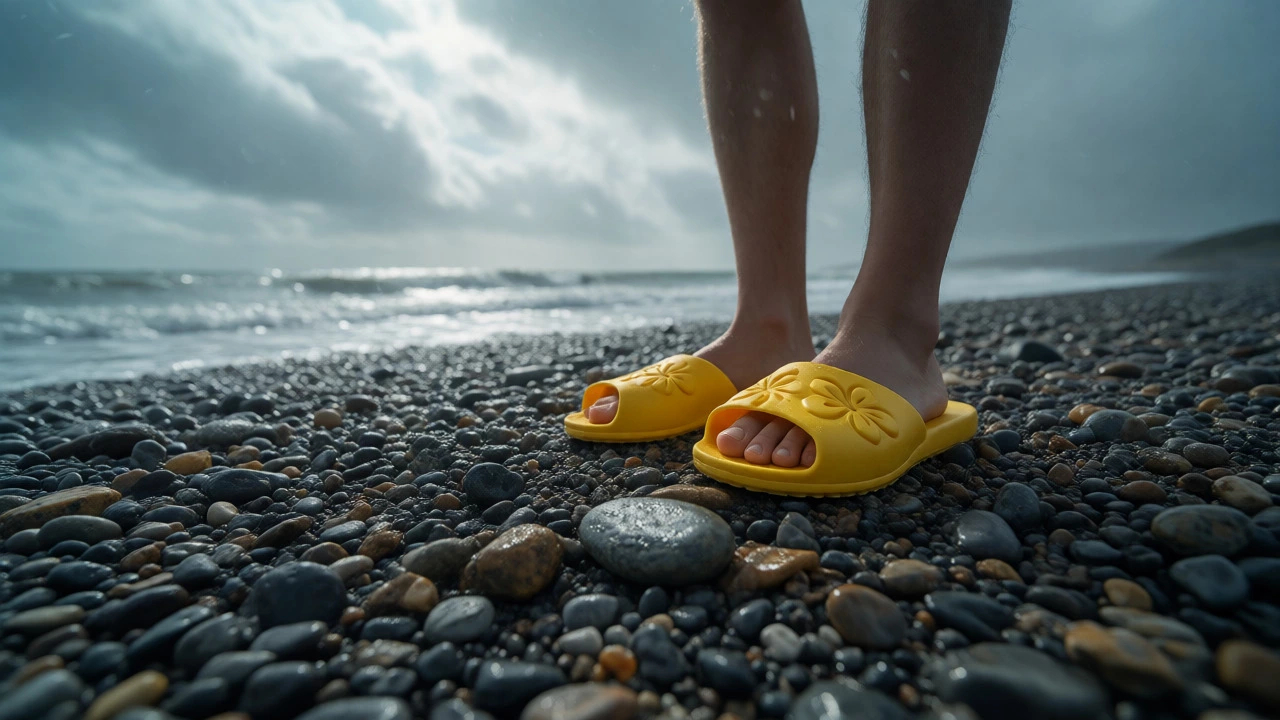
You’re standing on the pebbly shores of Lahinch or trying to keep your feet dry while hopping over puddles in Galway’s city centre. You reach for those bright, rubbery sandals that everyone seems to own. But do you actually know what they are? In many parts of the world, these iconic pieces of Hawaii slippers are just called flip-flops or thongs. Yet, in specific regions like South Africa and parts of Europe, they carry a distinct name tied to their tropical origins and manufacturing history.
If you’ve ever wondered why your cheap pair from a market stall in Dublin lasts longer than the fancy designer ones, it’s not magic. It’s engineering. These simple Y-shaped straps attached to a flat sole represent one of the most successful mass-produced items in history. For us here in Ireland, where rain is a constant companion and sunshine is a rare luxury, understanding the right footwear for our unpredictable weather starts with knowing what you’re wearing.
The Origin Story: From Japan to the World
To understand Hawaii slippers, you have to look back to post-World War II Japan. The term itself is a bit of a misnomer. They weren’t invented in Hawaii. Instead, they were born out of necessity when Japanese manufacturers began producing rubber sandals using surplus military materials. When American soldiers brought them home, the style exploded in popularity, particularly in the warm climates of California and Hawaii. Hence, the name stuck.
In Ireland, we adopted this style rapidly during the late 20th century. Unlike the leather clogs worn by farmers in the midlands or the heavy boots needed for hiking in the Wicklow Mountains, these rubber sandals offered something new: breathability and water resistance at a rock-bottom price. By the 1980s, if you walked into any shop from Cork to Derry, you’d see racks of them. They became synonymous with casual wear, despite our lack of tropical beaches.
Why the Name "Hawaii Slippers" Persists
You might ask, "Why call them Hawaii slippers when I’m buying them in Blarney?" The answer lies in branding and regional dialects. In countries like South Africa, the term "Hawaii slipper" is the standard generic name for rubber flip-flops. This terminology traveled through trade routes and cultural exchange. While most Irish people simply say "flip-flops," those who use the term "Hawaii slippers" often refer to the specific durable, molded rubber variety rather than the flimsy foam versions found in tourist traps.
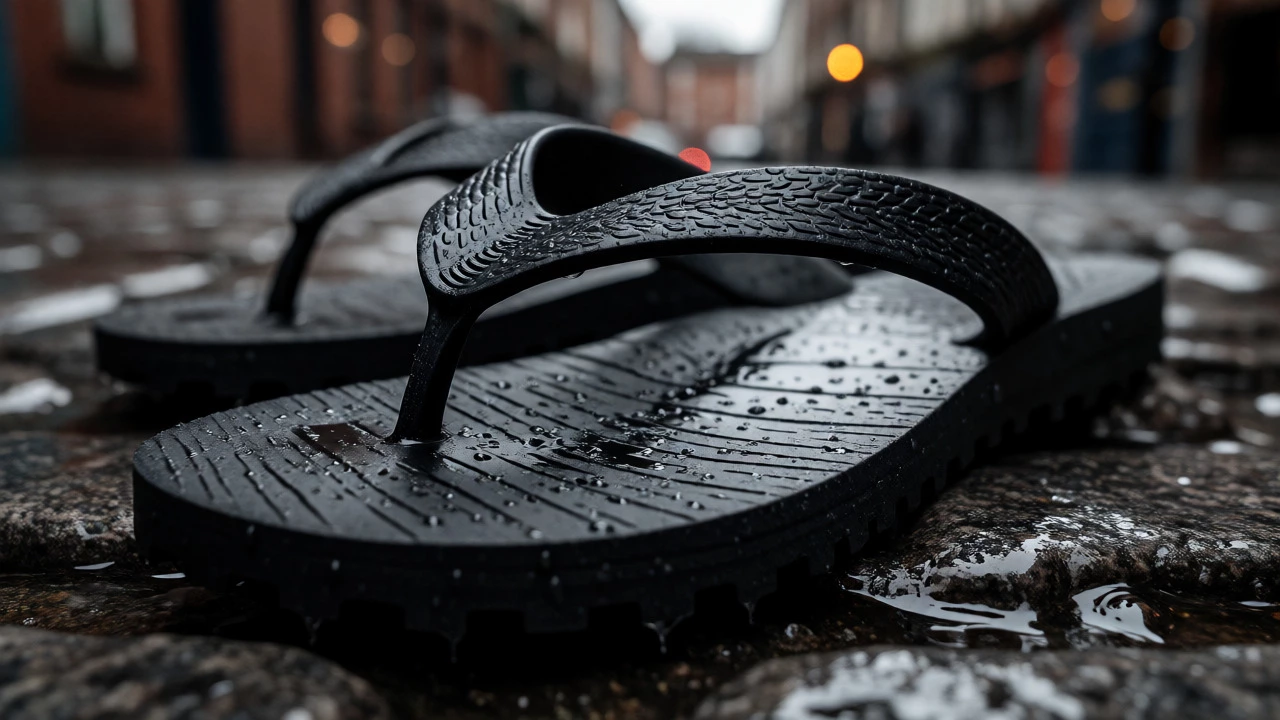
This distinction matters because not all flip-flops are created equal. There is a massive difference between a $2 foam pair from a discount store and a high-quality rubber mold. The latter offers arch support, durability, and grip-features that are crucial when navigating the slick cobblestones of Temple Bar after a downpour.
Material Matters: Rubber vs. Foam vs. Leather
When shopping for footwear in Ireland, material choice dictates longevity. Let’s break down the common types you’ll encounter in local stores like Penneys, Dunnes Stores, or independent boutiques in Dublin.
| Material | Durability | Comfort | Ideal Use Case |
|---|---|---|---|
| Natural Rubber | High (Years) | Medium-High | Beach days, wet surfaces, long-term use |
| EVA Foam | Low (Months) | Very High (Initial) | Quick trips to the pub, poolside |
| Leather | Medium | High (Break-in period) | Casual smart outfits, dry weather |
| Plastic/PVC | Low-Medium | Low | Budget options, temporary use |
Natural rubber is the gold standard for true Hawaii slippers. Brands like Havaianas (which originated in Brazil but uses similar molding techniques) or local Irish eco-brands utilize vulcanized rubber. This process makes the sole resistant to oil, heat, and abrasion. If you plan on walking along the Cliffs of Moher or doing garden work in Kildare, rubber is your best friend. It doesn’t degrade quickly in UV light, which is surprising given how harsh our sun can be when it does show up.
EVA foam, on the other hand, is lightweight and squishy. It feels great for the first week. Then, the sole compresses permanently. Your heel hits the ground directly, leading to foot pain. We’ve all seen the white creases forming in the middle of cheap foam flip-flops after two weeks of wear. That’s the foam dying.
The Irish Climate Challenge
Here’s the thing about Ireland: we don’t have consistent summers. One day it’s 25°C in Donegal; the next, it’s raining sideways in Kerry. Wearing open-toed shoes requires strategy. Traditional Hawaii slippers offer zero protection against cold winds or flying debris. However, their water-resistant nature makes them ideal for transitioning from wet grass to dry indoors.
A common mistake tourists make is wearing thick socks with flip-flops-a trend popularized in some European fashion circles but rarely practical in our damp climate. Unless you’re heading straight to a spa, keep it barefoot. The rubber sole provides enough insulation from cold pavement for short distances. For longer walks, especially on uneven terrain like the Burren limestone pavements, consider closed-toe alternatives or sturdy sandals with ankle straps.
Cultural Context and Fashion Trends
Fashion in Ireland has shifted significantly in recent years. Ten years ago, wearing flip-flops anywhere other than the beach or gym was considered a faux pas. Today, with the rise of casualization in workplaces and the influence of global streetwear, they’ve gained acceptance in casual settings. You’ll see them paired with tailored shorts in urban areas or under jeans in rural communities.
However, context remains key. Walking into a Michelin-starred restaurant in Dublin City Centre in rubber slippers might get you a side-eye glance from the host. Conversely, at a festival like Electric Picnic or a pub session in Galway, they’re perfectly acceptable. The key is cleanliness and condition. A pristine pair of black rubber slippers looks intentional and stylish. A faded, cracked pair looks neglected.
Where to Buy Quality Pairs in Ireland
You don’t need to fly to Honolulu to get good Hawaii slippers. Here’s where to look:
- Local Markets: Check out the Saturday markets in Dublin (Moore Street) or Cork (English Market). Vendors often stock bulk imports of high-quality rubber sandals at competitive prices.
- Sports Retailers: Decathlon and Intersport Ireland carry performance-oriented flip-flops designed for swimming and hiking recovery. Look for models with textured footbeds.
- Online Specialists: Websites specializing in sustainable footwear often source ethically made rubber sandals. This aligns with the growing Irish consumer preference for eco-friendly products.
- Supermarkets: Tesco and Aldi frequently run seasonal promotions. While quality varies, their branded rubber sandals often surprise buyers with decent durability.
Care and Maintenance Tips
Extending the life of your slippers is easy. Rinse them with fresh water after exposure to saltwater or mud. Salt crystals can degrade rubber over time, making it brittle. Store them in a cool, dry place away from direct sunlight when not in use. UV radiation breaks down chemical bonds in rubber, causing cracking. Since we live in a cloudy country, this is less of an issue than in Spain, but still relevant during our rare heatwaves.
If the strap loosens, don’t throw them away immediately. Some rubber soles allow for re-tightening by soaking in hot water and reshaping, though this is a temporary fix. For most people, replacement every 1-2 years is realistic depending on usage frequency.
Environmental Impact
Let’s address the elephant in the room: waste. Millions of pairs of flip-flops end up in landfills globally each year. In Ireland, with our strong recycling initiatives, you should check if your local council accepts rubber footwear. Many do not, as the mixed materials complicate processing.
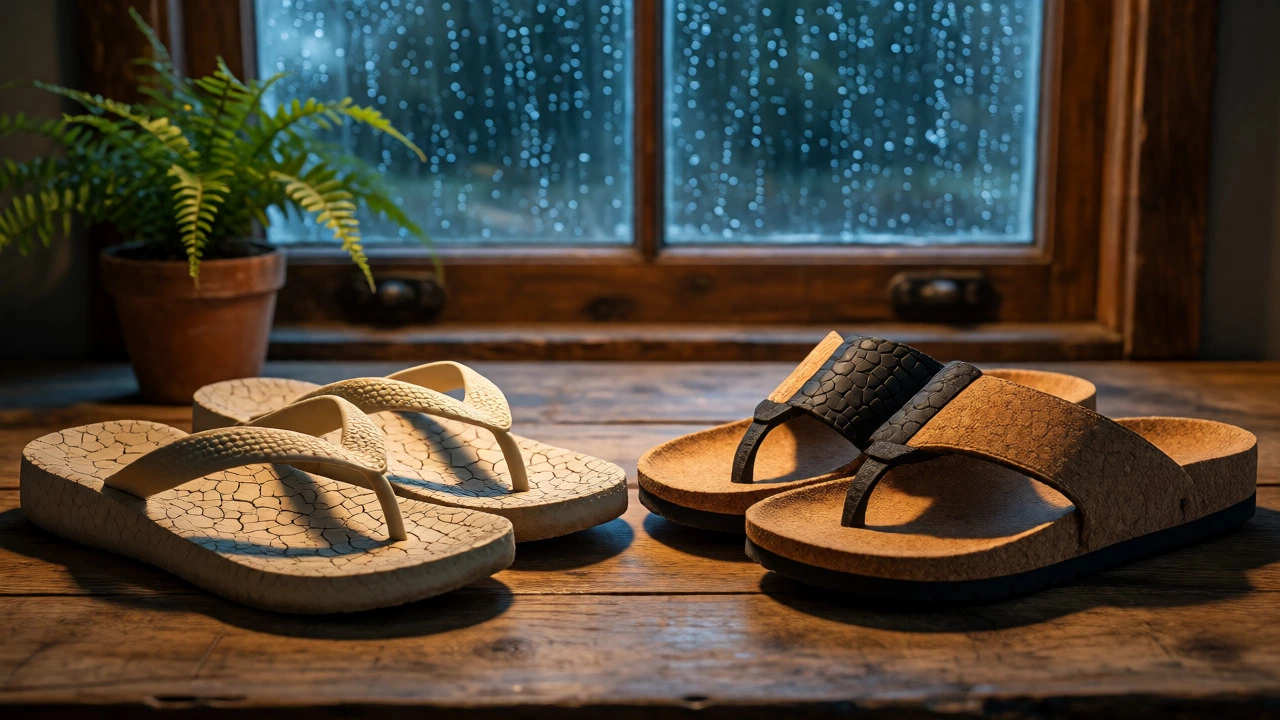
To mitigate this, buy fewer, better pairs. Choose brands that use recycled ocean plastic or natural rubber tapped sustainably. Some Irish startups are now experimenting with biodegradable alternatives made from algae or cork. Cork, being a native material to Portugal and widely available in Europe, offers a natural, renewable alternative to synthetic rubber. It’s lighter, antimicrobial, and decomposes naturally-a perfect fit for the environmentally conscious Irish shopper.
Common Myths About Flip-Flops
Myth 1: "Flip-flops cause bunions." Not necessarily. Poor posture and ill-fitting shoes contribute more. However, constantly gripping the toe to keep the sandal on can strain muscles. Choose a pair with a contoured footbed to reduce this effort.
Myth 2: "They’re only for summer." In Ireland, we use them year-round for specific tasks: gardening, taking out bins, quick errands. As long as you aren’t walking miles in freezing rain, they serve a purpose.
Myth 3: "All rubber is the same." Far from it. Vulcanized rubber differs vastly from thermoplastic elastomers. Check product labels for material composition if durability is your priority.
Are Hawaii slippers the same as flip-flops?
Yes, "Hawaii slippers" is a regional term for rubber flip-flops, particularly common in South Africa and some European contexts. They refer specifically to the molded rubber design with a Y-shaped strap.
Can I wear flip-flops in Irish winters?
Generally no, unless you are indoors or doing very short outdoor tasks. Our temperatures and frequent rain make open-toed shoes uncomfortable and potentially unhealthy for prolonged exposure.
How do I clean rubber slippers?
Use warm soapy water and a soft brush. Scrub the footbed to remove dirt and bacteria. Rinse thoroughly and air dry away from direct heat sources to prevent warping.
Are expensive flip-flops worth it?
Often, yes. Higher-priced pairs typically use better rubber compounds, ergonomic designs, and durable stitching. They last longer, reducing overall cost per wear compared to cheap alternatives that break within months.
Where can I find eco-friendly slippers in Ireland?
Look for brands using recycled materials or natural cork. Independent retailers in cities like Dublin, Galway, and Cork often stock sustainable footwear lines. Online shops specializing in ethical fashion also deliver across Ireland.