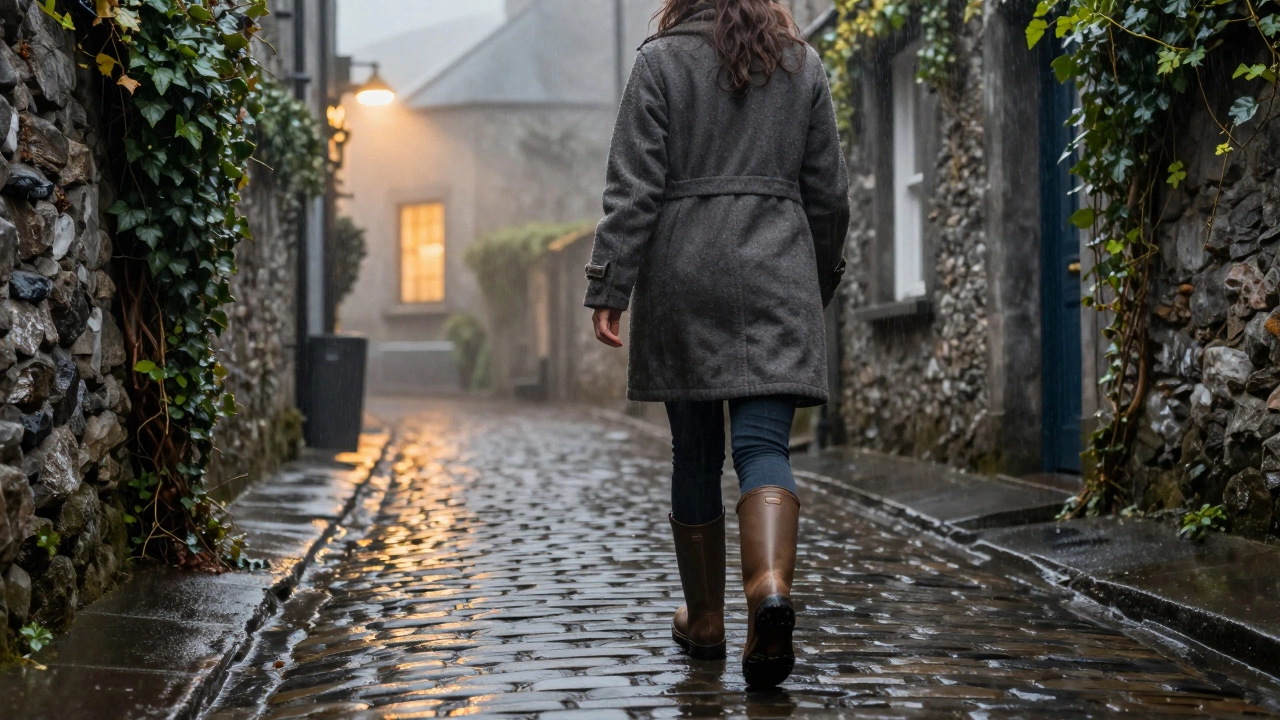
When you live in Ireland, your shoes don’t just make a statement-they survive the weather. From the misty lanes of Galway to the boggy trails of the Burren, the ground doesn’t just get wet-it drowns. And if your boots can’t handle that, you’re not just uncomfortable-you’re stuck. That’s why the best women’s footwear in Ireland isn’t about trends. It’s about durability, grip, and staying dry when the rain comes sideways, as it often does.
What Makes a Shoe Right for Ireland?
Not all boots are created equal here. A pair bought in London or online might look perfect, but if the sole slips on wet cobblestones or the leather soaks through after three days of drizzle, it’s useless. Irish women need shoes that handle:
- Constant dampness-no more soggy socks after a walk to the shop in Clonmel
- Uneven terrain-think stone walls, muddy farm tracks, and slippery steps in Dingle
- Long hours on your feet-whether you’re commuting in Dublin or hiking the Wicklow Way
- Seasonal swings-from freezing January mornings to damp, mild October afternoons
That’s why the top brands on Irish women’s feet aren’t the flashiest. They’re the ones that have been tested by decades of Atlantic storms and local trust.
1. Blundstone-The Unofficial National Boot
If you’ve ever stood in line at a local market in Cork or walked through the Phoenix Park in Dublin, you’ve seen them: sturdy, ankle-high, pull-on boots with a rubber sole that looks like it could survive a landslide. Blundstones are everywhere in Ireland. And for good reason.
They’re made in Australia, but they were practically designed for Irish winters. The elastic side panels mean you can slip them on after a long day without fumbling with laces. The polyurethane midsole absorbs shock on concrete sidewalks, and the outsole grips wet granite like it’s made for it. I’ve seen women in their 70s wearing the same pair for eight years-re-soled once, cleaned with a hose, and still going strong.
They come in brown, black, and even a deep green that blends into the Irish countryside. The Blundstone 585 is the most popular model here, and it’s the one you’ll find in every shoe store from Sligo to Waterford.
2. Meindl-Built for the Wild Places
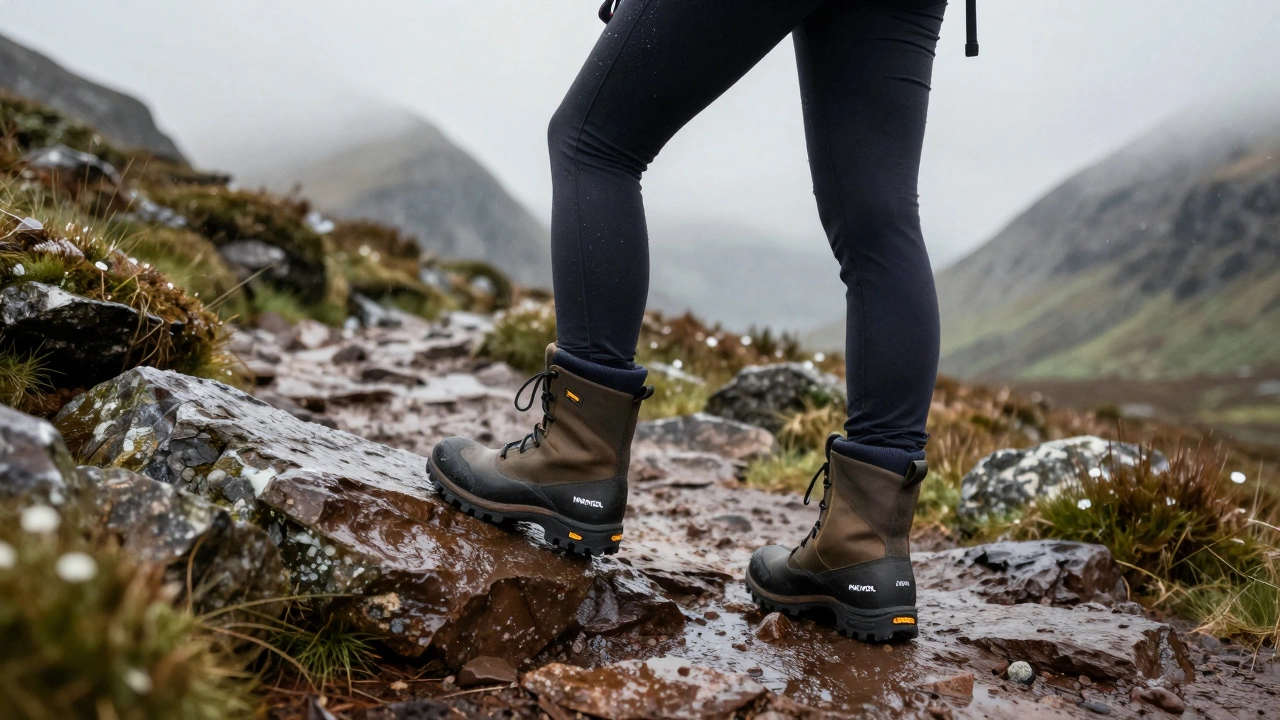
If you hike the Connemara mountains or walk the Kerry Way, you don’t just need boots-you need a partner. Meindl, a German brand with a century of mountain footwear experience, is the quiet favorite among serious walkers in Ireland.
What sets Meindl apart is the Vibram sole and the waterproof, breathable membrane that keeps feet dry without trapping heat. Unlike cheaper brands that use plastic liners that crack after a season, Meindl’s leather is treated with natural waxes that age beautifully. You’ll find them in outdoor shops like Mountain Equipment in Galway and Outdoor Ireland in Wicklow.
They’re heavier than Blundstones, but that’s the point. The ankle support keeps you steady on loose scree near the Twelve Bens, and the cushioning reduces fatigue on multi-day treks. Many Irish hikers swear by the Meindl Lady Deva-a boot that’s been worn on the Wicklow Way, the Beara Way, and even the Cliffs of Moher after a rainstorm.
3. Irish Setter-Homegrown and Hard-Wearing
Yes, there’s a brand with the name of the country itself. Irish Setter isn’t just a marketing trick-it’s a real company with roots in the Midwest of the U.S., but it’s become a cult favorite in rural Ireland.
Why? Because it’s made for people who work outside. Farmers, gardeners, and rural postal workers in Mayo and Donegal rely on Irish Setter boots for their waterproofing, steel toes, and non-slip soles. The Irish Setter Vapour line is especially popular among women who need protection without bulk.
They’re not fashion boots, but they’re practical in a way that matters. I spoke to a woman in Ballina who’s worn the same pair for six winters-cleaning stables at dawn, walking to the post office, and then driving her kids to school. She says, “If it can handle a cow and a downpour, it can handle me.”
4. Clarks-For the City, the Office, and the Pub
Not every day calls for a hiking boot. Sometimes you need something smart, dry, and comfortable for walking from the bus stop to the office in Limerick-or from the café to the pub in Bray.
Clarks has been around since 1825, and their Irish presence is strong. Their Clarks Unstructured line is the go-to for women who want a boot that looks polished but feels like slippers. The cushioned footbed, flexible sole, and water-resistant finish make them ideal for Dublin’s wet pavements and the slick floors of the National Gallery.
What’s unique is how Clarks designs for the Irish foot shape-wider forefoot, lower arch-which many European brands ignore. You’ll find Clarks in Brown Thomas, Dunnes Stores, and independent shoe shops across the country. They’re the brand that says, “You don’t have to sacrifice style for survival.”
5. Xtratuf-The Unexpected Favorite
You might not expect a brand from Alaska to be popular in Ireland, but Xtratuf is quietly winning over coastal communities. Originally made for fishermen, these rubber boots are 100% waterproof, lightweight, and easy to clean.
They’re now worn by women in Galway, West Cork, and Donegal who walk the shoreline, feed animals, or work in seafood markets. The non-marking sole won’t track mud into the house, and the high shaft keeps water out even when you’re stepping through a flooded lane after a storm.
They come in bright colors-deep blue, forest green, coral-which is why you’ll see them paired with wool sweaters and raincoats at the Galway Film Fleadh or the Kinsale Gourmet Festival. They’re not for the office, but they’re perfect for life after the rain.
What to Avoid in Ireland
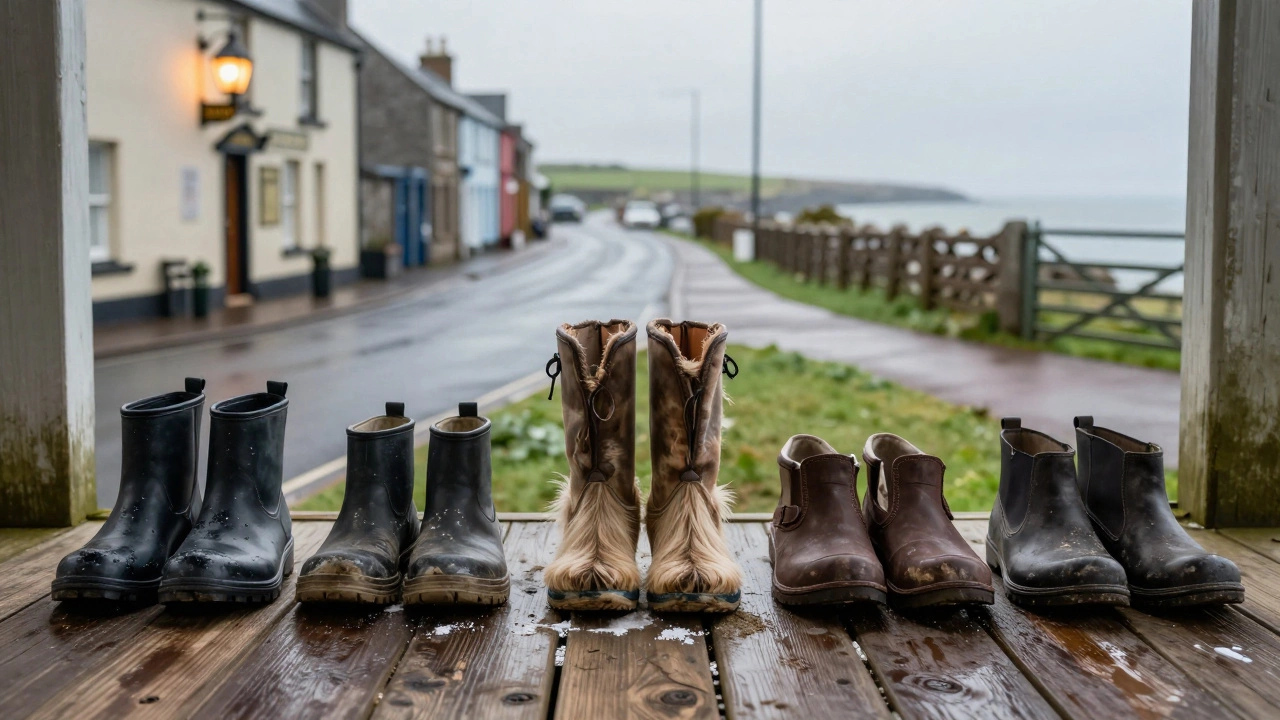
There are plenty of brands that look great in magazines but fail here. Avoid:
- Thin-soled leather boots-they’ll soak through in a day
- Flat ballet-style shoes-no grip on wet stone
- Brand-new synthetic materials-often crack in cold weather
- Boots without a proper tread-Irish roads don’t care how pretty your shoes are
And don’t be fooled by “water-resistant” labels. In Ireland, you need “waterproof.” There’s a difference.
Where to Buy in Ireland
You don’t need to order online. Most towns have a local cobbler or shoe shop that stocks these brands:
- Galway: Footwear Ireland on Shop Street
- Dublin: Clarks at Jervis Street, Mountain Equipment on South Anne Street
- Cork: The Boot Room on Patrick Street
- Sligo: Outdoor Gear Ireland on Bridge Street
- Wexford: Dunnes Stores carry Clarks and Blundstone
Many shops offer free re-soling or waterproofing services-ask for it. It’s part of the culture here: fix it, don’t replace it.
Final Thought: Your Shoes Are Part of Your Story
In Ireland, your boots tell people where you’ve been. The mud on your soles? That’s the Burren. The salt stains? That’s the Atlantic. The worn heel? That’s the walk to the shop every morning, rain or shine.
These aren’t just shoes. They’re tools. They’re companions. And the right pair will carry you through more than just the weather-they’ll carry you through the rhythm of Irish life.
What’s the best women’s boot for walking in Ireland’s rainy weather?
The Blundstone 585 is the most popular choice for everyday use in Ireland. It’s waterproof, has excellent grip on wet surfaces, and requires no break-in period. For longer hikes, the Meindl Lady Deva offers better ankle support and breathability.
Are Irish Setter boots actually made in Ireland?
No, Irish Setter boots are made in the United States. But the brand is widely used in rural Ireland because of its durability and waterproofing, making it a favorite among farmers and outdoor workers. The name resonates locally, even if the manufacturing doesn’t.
Can I wear fashion boots in Ireland during winter?
Only if you’re okay with wet feet and slipping on sidewalks. Most fashion boots lack the grip, insulation, and waterproofing needed for Ireland’s climate. If you want style, choose Clarks or Blundstone-they offer smart designs that still handle the rain.
Where can I get my Irish boots repaired or re-soled?
Most towns have a local cobbler who specializes in outdoor footwear. In Galway, try The Cobbler’s Shop on Dominick Street. In Dublin, Footwear Repair on South William Street offers re-soling, waterproofing, and heel replacement. Many shoe stores also offer these services.
Is it worth spending more on premium boots in Ireland?
Absolutely. A good pair of Irish weather boots lasts 5-10 years with proper care. Cheaper boots may cost €50 but need replacing every year. Premium boots like Meindl or Blundstone cost €150-€200 but save you money and discomfort over time. In Ireland, it’s not an expense-it’s an investment.