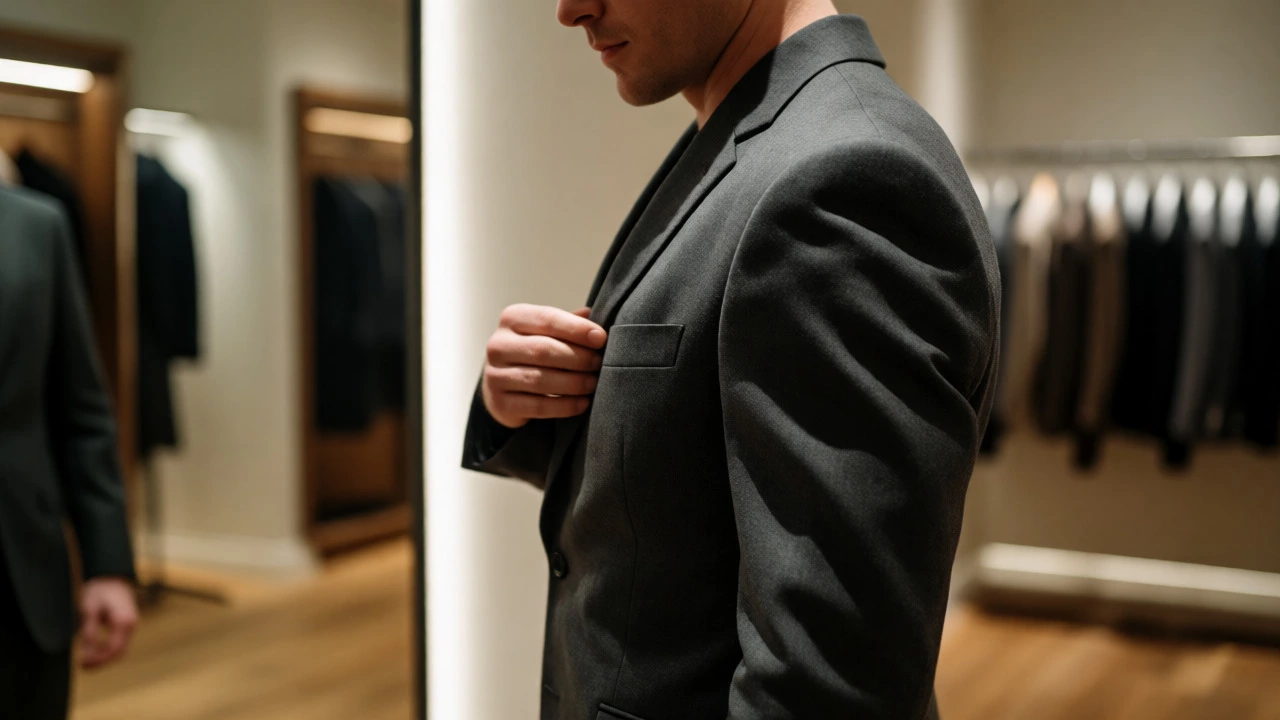
Irish Suit Fit Analyzer
You’re standing in front of the mirror in your flat in Dublin, trying on a new suit you picked up from a local shop on Grafton Street. It looks sharp, but something feels off. Is it supposed to hug your ribs like a second skin, or should there be enough room to hide a pint of Guinness in the fabric? This is the million-euro question for many Irish men preparing for weddings, corporate gigs, or even just looking professional in Galway’s rainy streets.
The short answer? Neither tight nor loose. The right answer is "fitted." But what does that actually mean when you’re dealing with the specific cuts available in the Irish market? Let’s break down exactly how a suit should sit on your body so you don’t end up looking like you borrowed your dad’s blazer or are struggling to breathe during a toast at a wedding in Cork.
The Myth of the One-Size-Fits-All Fit
For years, men’s fashion swung between two extremes. In the early 2010s, everyone wanted their jackets buttoned so tightly they looked like sausages. Then came the oversized trend, where jackets hung off shoulders like tents. Both were wrong. Today, modern tailoring focuses on structure and comfort working together. A good suit respects your anatomy. It doesn’t fight against it.
In Ireland, we have a unique mix of climates and social expectations. You might need a suit for a board meeting in Dublin’s IFSC, a funeral in rural Kerry, or a casual Friday at a tech startup in Limerick. Each scenario demands a slightly different approach to fit, but the core principles remain the same. If you buy off-the-rack, you’re almost certainly going to need alterations. That’s not a failure; that’s standard practice. Even high-end brands expect you to take the garment to a tailor.
How a Suit Jacket Should Fit
Start with the shoulders. This is the hardest part to alter, so get this right first. The shoulder seam of the jacket should end exactly where your natural shoulder ends. Not past it, creating a droopy look, and not before it, causing wrinkles near the neck. If you’re buying from a chain store like Next or Marks & Spencer in Dundrum Town Centre, check the shoulder line immediately. If it’s off, walk away. No amount of tailoring can fix bad shoulders without ruining the jacket’s balance.
Next, check the chest. When you button the top button (never the bottom one), you should be able to slide a flat hand between your chest and the fabric. If you can fit your whole fist, it’s too loose. If your hand gets stuck or the fabric pulls into an "X" shape around the buttons, it’s too tight. That pulling creates tension lines radiating from the button. In a professional setting in Belfast or Dublin, those tension lines scream "uncomfortable" louder than any tie ever could.
Sleeve length matters more than people think. Your shirt cuff should show about half an inch to an inch beyond the jacket sleeve. This small detail adds polish. If your jacket sleeves cover your watch completely, they’re too long. If your wrist bone is exposed, they’re too short. Tailors charge extra for shortening sleeves because they often have to move the buttons on the cuff, but it’s worth every cent for the refined look.
Trousers: The Drop vs. The Break
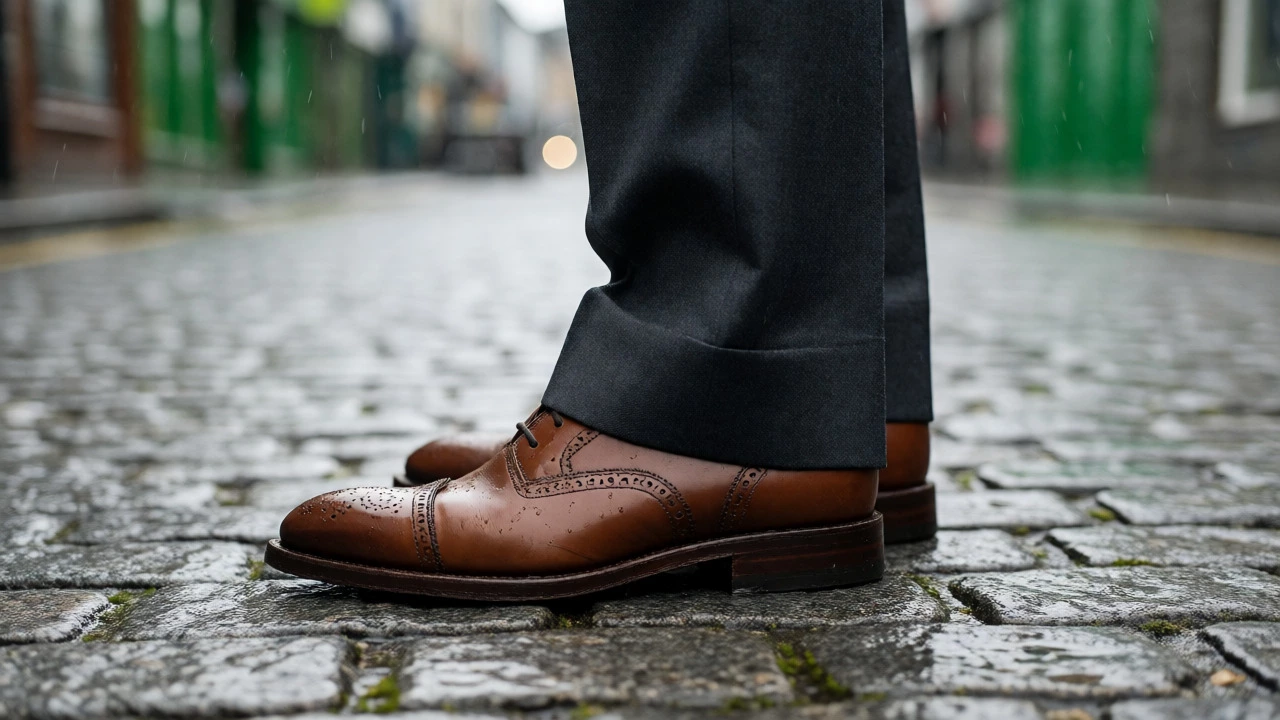
Ireland’s weather is notoriously wet. Wearing trousers that drag on the ground means you’ll come home with muddy hems after walking through any city centre. So, how do you handle the hem? The modern preference is a slight break or no break at all. A "break" is the fold created where the trouser meets the shoe. Too much break looks sloppy and collects dirt. Too little (a cropped look) can feel risky for traditional business settings.
Aim for a clean line. The trouser should touch the top of your shoe without pooling fabric around the ankle. If you’re wearing leather brogues, which are popular here, a slight break is acceptable. If you’re wearing sleek derbies or loafers, go for no break. This keeps the silhouette sharp and prevents rainwater from wicking up the fabric.
Waistband comfort is critical. You should be able to pinch about an inch of fabric at your waist. Any more, and the trousers will sag when you sit down. Any less, and you’ll feel restricted after eating a hearty Sunday roast. Belt loops are there for belts, not just decoration. If you skip the belt, ensure the waistband fits perfectly, otherwise, you’ll constantly be pulling them up.
| Area | Too Tight Signs | Too Loose Signs | Perfect Fit Indicator |
|---|---|---|---|
| Shoulders | Seam rolls over arm; dimples near neck | Seam extends past shoulder bone; boxy look | Seam aligns with natural shoulder edge |
| Chest | "X" wrinkles from button; hard to breathe | Excess fabric folds; hand slides easily with space | Flat hand fits snugly between chest and fabric |
| Jacket Length | Ends above mid-buttock; looks cropped | Extends below crotch; makes legs look short | Covers seat; hands hang naturally at sides |
| Trouser Waist | Digging in; requires constant adjustment | Gaps at back; belt needed to hold up | Snug but comfortable; allows easy sitting |
| Hem/Break | Floating above shoe; exposes socks excessively | Puddles on floor; drags in rain | Touches shoe top; minimal fold |
Adjusting for Irish Body Types and Climate
Let’s talk specifics. Many Irish men have broader shoulders relative to their waists compared to other European averages. If you find yourself buying a large in the shoulders but having to take in the waist significantly, you’re fighting the cut. Look for brands that offer "athletic" or "trim" fits. Stores like Brown Thomas or independent tailors in Dublin often stock cuts that accommodate this shape better than standard UK sizes.
Then there’s the weather. We live in a place where rain is a daily companion. Heavy wool suits absorb water and become heavy. For everyday wear in Galway or Cork, consider lighter wool blends or tropical wools. These fabrics breathe better in summer humidity and don’t weigh you down if you get caught in a shower. A tighter fit helps shed water faster than a loose, billowing jacket, but only if the fabric has some stretch. Modern suits often include 1-2% elastane for movement. This is a game-changer for commuting on the Luas or Dart, where you’re squeezing onto crowded transport.
If you’re attending a formal event, say a wedding in Kildare, stick to traditional worsted wool. It holds its shape well indoors. But for office wear, prioritize mobility. You’ll be typing, reaching, and bending. A suit that restricts movement will leave you tired by 5 PM. Comfort equals confidence, and confidence is key in negotiations.
When to Go Slimmer and When to Relax
Not every occasion calls for the same fit. If you’re a young professional in Dublin’s Docklands, a slimmer cut signals modernity and attention to detail. Pair it with narrow lapels and a slim tie. This aesthetic works well in creative industries or tech firms where image matters but tradition is looser.
Conversely, if you’re in law, finance, or politics, especially in older institutions in Dublin or Belfast, a classic fit is safer. It conveys stability and seriousness. Don’t chase trends too hard here. A slightly fuller cut allows for better drape and hides minor weight fluctuations. Remember, suits are investments. A timeless fit lasts longer than a trendy one.
Also, consider your age group. Men in their 20s and 30s often prefer sharper, more fitted silhouettes. As you hit your 40s and 50s, comfort becomes non-negotiable. A bit more room in the midsection isn’t lazy; it’s practical. It allows you to enjoy a meal without unbuttoning under the table. Tailors in cities like Limerick and Waterford know these nuances. Communicate your lifestyle to them. Do you drive? Do you cycle? Do you stand for long periods? These details change how a suit should fit.
The Alteration Advantage
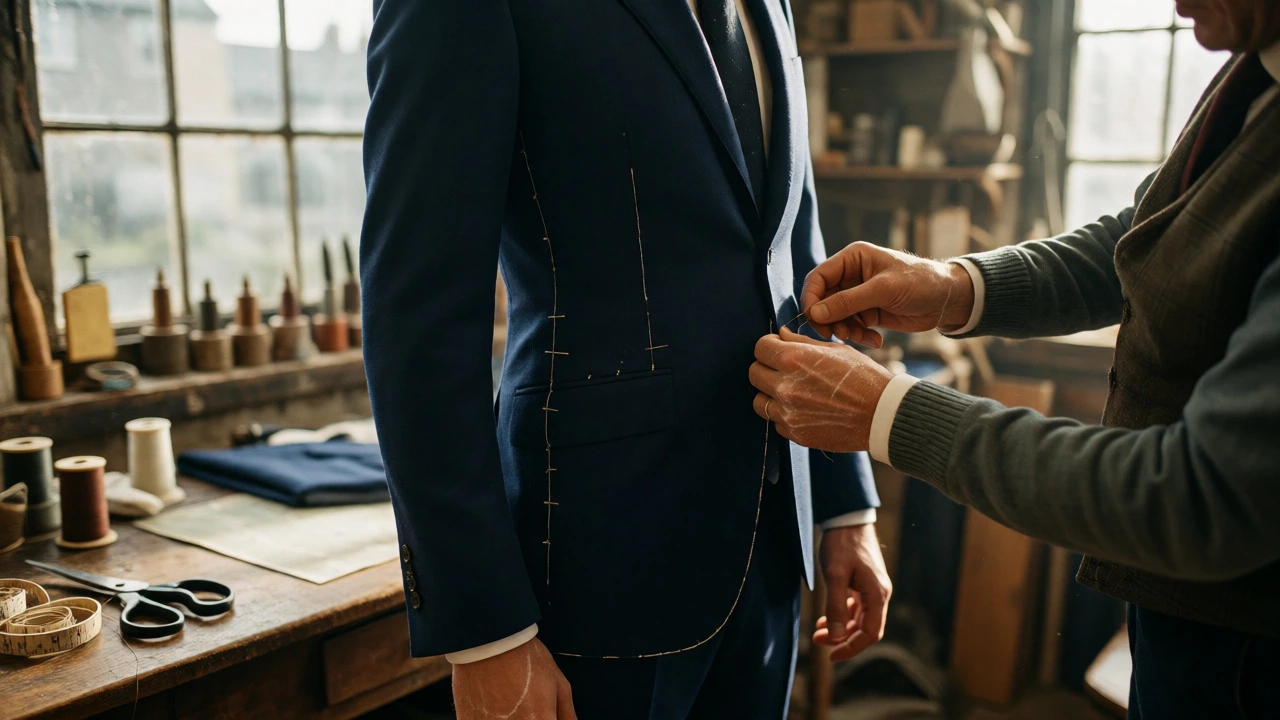
Here’s a secret most shoppers miss: budget for alterations. If you spend €300 on a suit, set aside €50-€80 for tailoring. This transforms an okay purchase into a great one. Common adjustments include taking in the waist, shortening sleeves, and tapering trouser legs. These changes are cheap compared to buying a bespoke suit, yet they yield similar results.
Find a good local tailor. In smaller towns, word-of-mouth recommendations are gold. Ask colleagues where they get their work done. A skilled tailor understands posture. If you tend to roll your shoulders forward, they’ll adjust the back panel so the jacket sits correctly when you’re standing straight. Off-the-rack suits assume perfect posture. Real humans don’t have perfect posture. Custom adjustments bridge that gap.
Don’t be afraid to ask for multiple fittings. A good tailor won’t rush you. They’ll mark the jacket while you’re wearing it, then call you back for a check. This process ensures symmetry and balance. It’s tedious, but the result is a suit that feels like it was made for you. And in Ireland, where first impressions matter in both business and social circles, that polish pays dividends.
Final Thoughts on Style Confidence
At the end of the day, the best-fitting suit is the one you forget you’re wearing. If you’re constantly tugging at your collar or adjusting your waistband, the fit is wrong. Trust your instincts. If it feels restrictive, loosen it. If it feels baggy, tighten it. Use the checklist above as a guide, not a rulebook.
Remember, style isn’t about squeezing into a size label. It’s about presenting the best version of yourself. Whether you’re navigating the cobblestones of Galway’s Latin Quarter or closing a deal in a glass tower in Dublin, your suit should support your actions, not hinder them. Invest in fit, respect the craft of tailoring, and you’ll never worry about whether your suit is too tight or too loose again.
Can I wear a suit without a belt?
Yes, provided the waistband fits perfectly. Side adjusters on trousers allow for fine-tuning without a belt. However, if you wear a dress shirt untucked or have a heavier build, a belt provides necessary security and structure. In formal settings, always match your belt leather to your shoes.
How much does tailoring cost in Ireland?
Costs vary by city and tailor reputation. Expect to pay between €40 and €80 for basic adjustments like hemming trousers and shortening sleeves. More complex alterations, such as taking in the waist or adjusting shoulders, can range from €60 to €120. Always ask for a quote before handing over your garment.
What fabric is best for Irish weather?
Mid-weight wool is the most versatile choice for Ireland. It breathes well in summer and insulates in winter. Avoid heavy tweeds for city wear unless you’re in very cold regions or rural areas. Cotton and linen wrinkle easily and aren’t ideal for our damp climate, though cotton-silk blends can work for spring/summer events.
Should my suit jacket cover my buttocks?
Yes, ideally. The bottom hem of the jacket should cover approximately 80% of your buttocks. This creates a balanced proportion. If the jacket is too short, it looks juvenile and unprofessional. If it’s too long, it makes your legs appear shorter. Stand with arms relaxed at your sides; the hem should roughly align with your thumbs.
Is a slim-fit suit appropriate for older men?
Absolutely, but choose wisely. "Slim fit" refers to the cut, not necessarily skin-tight compression. Older men can benefit from structured shoulders and a tapered waist to create a youthful V-shape. Avoid excessive tapering in the leg if you have thicker calves. A classic fit with slight tapering is often the most flattering and comfortable option for mature gentlemen.