Lululemon vs. Fast Fashion: Cost-Per-Wear Calculator
Is that €110 pair of leggings really more expensive than a €20 pair? Use this tool to calculate the real cost based on how often you wear them and how long they last.
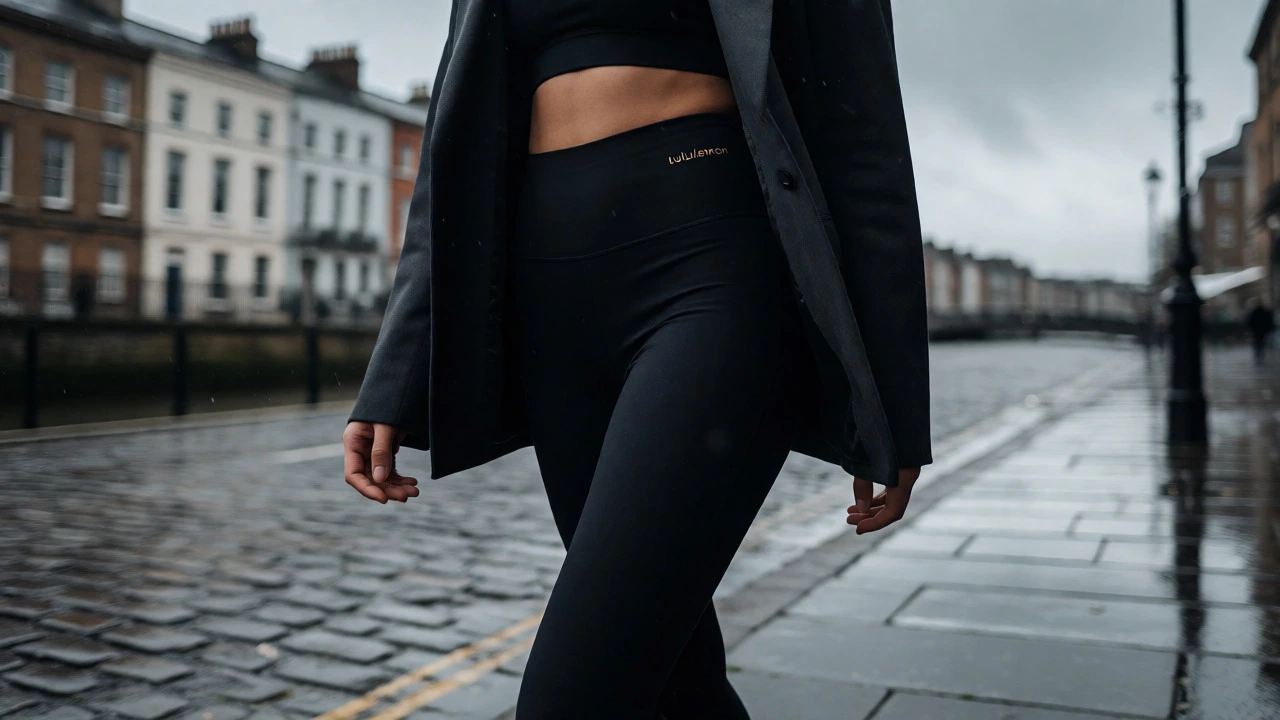
You see them everywhere in Ireland these days. From the rain-slicked streets of Dublin to the windy quays of Cork, and especially around the university campuses in Galway and Limerick, those distinctive black leggings with the little gold sun logo are a uniform. But if you stop and think about it, is Lululemon actually an athleisure brand designed for both athletic performance and casual everyday wear, or is it something else entirely? The answer isn't just "yes." It's a complicated mix of high-performance engineering, luxury marketing, and cultural shift that has redefined how we dress for movement.
For years, the line between gym clothes and street clothes was clear. You wore your tracksuit to the GAA match or the local pub quiz, but you didn't wear your running shorts to a coffee meeting. Then came the rise of comfort-first culture. In Ireland, where the weather often dictates our wardrobe choices more than any fashion trend, this shift hit hard. We needed clothes that could handle a sudden downpour on Salthill promenade, a quick run along the canal, and then still look respectable enough for a late lunch in the city center. That’s exactly where Lululemon stepped in, blurring the lines until they disappeared completely.
The Evolution from Yoga Pants to Global Powerhouse
To understand if Lululemon fits the athleisure label, you have to look at where it started. Founded in Vancouver in 1998, Lululemon began as a niche yoga apparel company focused on technical fabrics and community building. It wasn't trying to be a general sports brand like Nike or Adidas. It was targeting a specific demographic: people who practiced yoga and wanted clothing that moved with them. The fabric technology, particularly their signature Luon material, was revolutionary because it offered compression without restriction. It felt like a second skin.
This focus on function laid the groundwork for what we now call athleisure. Unlike traditional sportswear, which prioritized moisture-wicking and durability above all else, Lululemon added a layer of aesthetic appeal. They made sure the seams were flat, the waistbands sat comfortably, and the colors were versatile. This design philosophy allowed customers to transition seamlessly from a hot yoga class in a studio on Ranelagh Street to a grocery run in Tesco without changing. That dual-purpose capability is the core definition of athleisure, and Lululemon perfected it before the term even became mainstream.
Why It Fits the Definition (And Where It Doesn’t)
Purists might argue that true sportswear must be strictly functional. If you’re training for a marathon, do you really need pants that cost over €100? For many Irish runners preparing for the Dublin City Marathon or the Great Limerick Run, performance metrics matter most. Brands like Asics or Brooks might offer better value for pure running gear. However, athleisure isn't just about performance; it's about lifestyle integration. And here, Lululemon dominates.
Consider the typical day for a young professional in Dublin. You might hit the gym before work, commute via Dart or bus, sit at a desk for eight hours, and then meet friends for dinner. Traditional business attire is too stiff for the gym. Traditional gym wear looks sloppy in a nice restaurant. Lululemon bridges this gap. Their Align leggings, for instance, are soft enough for lounging on a sofa in a rainy Galway afternoon but structured enough to pair with a blazer for a casual office environment. This versatility is why they are classified as athleisure rather than pure sportswear.
| Feature | Lululemon | Traditional Sportswear (e.g., Nike Pro) | Fast Fashion Activewear |
|---|---|---|---|
| Primary Purpose | Dual-use (Gym & Street) | High-Performance Training | Trend-driven Casual Wear |
| Fabric Technology | Nulu, Everlux, Luon (Soft, compressive) | Dri-FIT, Aerobion (Moisture-wicking) | Basic Polyester/Elastane blends |
| Price Point (Leggings) | €95 - €128 | €45 - €70 | €15 - €30 |
| Irish Market Availability | Online + Pop-ups + Select Retailers | Widespread (Sports Direct, Decathlon) | Everywhere (Primark, H&M) |
| Cultural Status | Status Symbol / Lifestyle Choice | Utility / Functionality | Disposable Trend |
The Irish Context: Weather and Culture
Living in Ireland means dealing with unpredictable weather. One minute it’s sunny, the next it’s sideways rain. This reality influences our clothing choices heavily. We tend to favor layers and fabrics that dry quickly. Lululemon’s materials, while luxurious, aren't always waterproof. This is a common complaint among Irish users who expect their expensive leggings to handle a light drizzle during a walk in Phoenix Park. While some newer lines incorporate water-repellent features, the classic Nulu fabric absorbs moisture, which can be tricky in damp conditions.
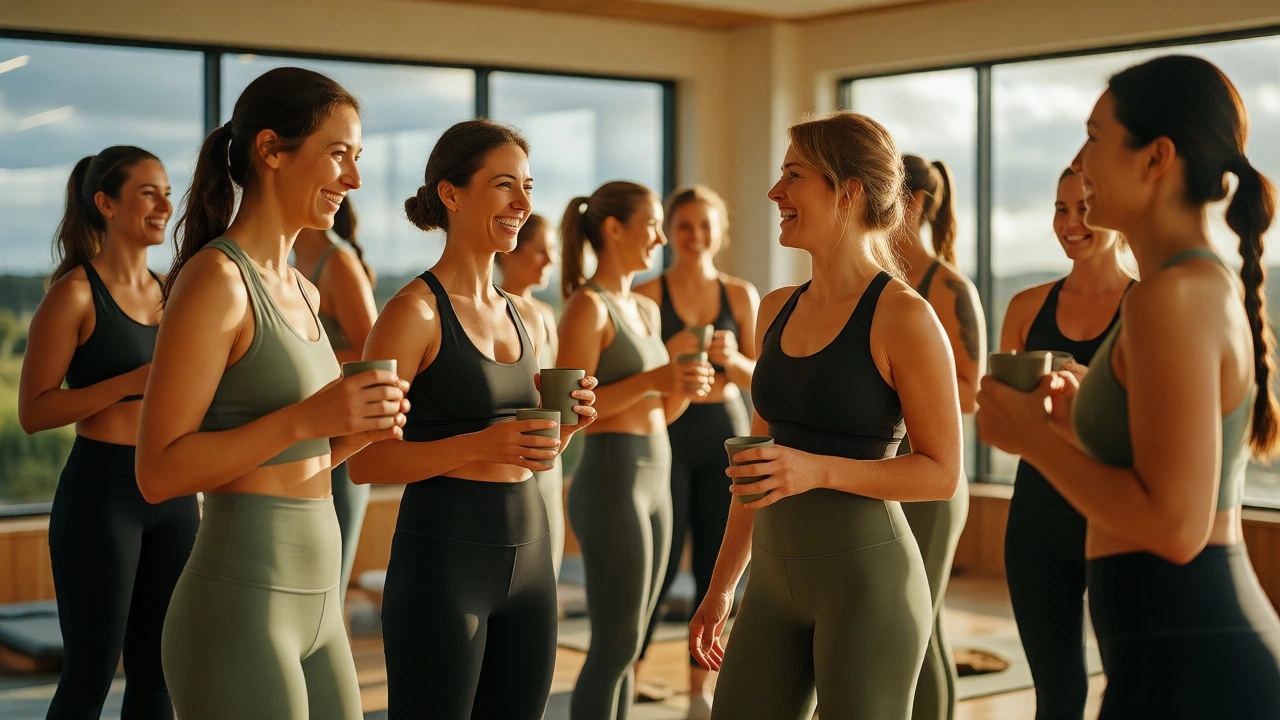
However, the social aspect of Lululemon resonates strongly with Irish culture. We value community and connection. Lululemon builds its brand through local ambassadors-often yoga instructors or fitness coaches-who host free classes in cities like Cork and Belfast. These events create a sense of belonging. It’s not just about buying pants; it’s about joining a tribe. In a country where small talk and social cohesion are important, this community-driven approach works. You’ll often see groups of women wearing matching Lululemon sets after a pilates class in Dun Laoghaire, chatting over oat milk lattes. It’s a visual signal of shared values: health, mindfulness, and quality.
Is It Worth the Price Tag in 2026?
Let’s address the elephant in the room: the cost. A pair of Wunder Under leggings costs roughly €110. In Ireland, where the cost of living has risen significantly, that’s a substantial investment. Is it worth it? Compare it to a pair of €20 leggings from Primark. The Primark pair might last six months before losing shape or developing holes. The Lululemon pair, if cared for properly, can last two to three years. When you break it down, the cost per wear is often lower for the premium option.
But value isn't just financial. It’s also about how the clothes make you feel. Many Irish consumers report that wearing high-quality activewear boosts their confidence and motivation to exercise. If spending €110 gets you off the couch and onto a bike path along the River Lee, that’s a worthwhile trade-off. Plus, the resale market for Lululemon is strong. You can sell gently used pairs on platforms like Depop or Vinted for half the original price, recouping some of your initial outlay.
Beyond Leggings: The Full Wardrobe
While leggings are the flagship product, Lululemon has expanded into menswear, outerwear, and accessories. In recent years, their men’s ABC pant has become surprisingly popular among Irish professionals who want comfort without looking like they’re going to the gym. The fabric stretches, resists wrinkles, and looks sharp enough for a casual Friday at the office. This expansion further cements their status as an athleisure brand rather than just a yoga brand. They’re outfitting entire lifestyles, not just workouts.
They’ve also ventured into footwear and bags, though these haven't seen the same explosive growth in Ireland. Still, seeing someone carry a Lululemon backpack to a coworking space in Dublin’s Docklands is becoming increasingly common. It signals a shift towards practicality blended with style. The brand understands that modern life doesn't fit into neat boxes, so neither should your clothes.
Alternatives for the Budget-Conscious Irish Shopper
If the Lululemon price tag feels steep, you’re not alone. Fortunately, several alternatives offer similar benefits. Gymshark is a UK-based brand that has gained massive popularity in Ireland due to aggressive social media marketing and slightly lower prices. Their products are more focused on bodybuilding aesthetics but still fit the athleisure mold.
Another strong contender is Decathlon's own brand, Kipsta or Domyos. They offer excellent technical specs at a fraction of the cost. While they lack the prestige factor, they perform well for actual exercise. For those who prioritize sustainability, look at brands like Patagonia, which uses recycled materials and has a growing presence in European markets. Each option serves a different need, but none quite replicate the specific blend of comfort, status, and community that Lululemon provides.
Final Verdict
So, is Lululemon an athleisure brand? Absolutely. It defined the category for many of us. It took clothing designed for the mat and made it acceptable for the mall, the office, and the pub. In Ireland, where practicality meets social awareness, this hybrid nature makes perfect sense. It allows us to stay comfortable in our damp, changeable climate while maintaining a polished appearance. Whether you buy in for the hype or stick to your old trusty joggers, there’s no denying that Lululemon changed the game. It forced every other brand to rethink what sportswear could look like and how it could feel. Next time you pull on a pair of premium leggings, remember: you’re not just wearing clothes. You’re participating in a global shift toward living comfortably, actively, and stylishly.
Where can I buy Lululemon in Ireland?
As of late 2026, Lululemon does not have permanent standalone brick-and-mortar stores across all of Ireland. Most purchases are made online via their official website, which offers fast shipping to Dublin, Cork, and Galway. Occasionally, they partner with select department stores or host pop-up shops in major cities like Dublin and Cork. Always check their official site for current stockists and event locations.
Are Lululemon leggings suitable for running in Irish rain?
Standard Lululemon leggings like Align or Nulu are not water-resistant and will absorb rain, becoming heavy and cold. For running in wet Irish weather, opt for their Swiftly Tech or specific windbreaker jackets. Alternatively, layer them under a lightweight rain shell to keep warm and dry while enjoying the comfort of the leggings underneath.
How does Lululemon compare to Gymshark for Irish buyers?
Gymshark is generally cheaper and focuses more on muscle-enhancing fits and trendy designs, appealing heavily to younger demographics and gym-goers. Lululemon is pricier, emphasizes comfort and technical fabric innovation, and targets a broader lifestyle audience including yogis and professionals. Gymshark ships easily to Ireland with frequent sales, while Lululemon holds firm on pricing but offers superior longevity and customer service.
What is the return policy for Lululemon in Ireland?
Lululemon typically offers a generous return policy, allowing returns within 30 days for unworn items with tags attached. Since they operate primarily online in Ireland, you usually print a prepaid label and drop the package off at An Post or a courier depot. Be aware that international return rules may apply depending on whether the goods were shipped from the EU warehouse or North America.
Is Lululemon sustainable?
Lululemon has increased its use of recycled polyester and nylon in recent collections. They also launched a resale program called Like New in some markets, though availability in Ireland varies. While not fully circular yet, they are making strides compared to fast fashion competitors. Look for items labeled 'Made with Recycled Materials' to make a more eco-conscious choice.