Suit Quality Inspector
Select the features present in the suit you are considering.
Fabric & Material
Construction
Fit & Details
Quality Score
Needs Improvement
Select features above to calculate quality.
Estimated Value
--
Lifespan: --
Buying a suit in Ireland can feel like navigating the weather itself-unpredictable and often dampening. Whether you are heading to a wedding in County Kerry, a boardroom meeting in Dublin’s Docklands, or simply want to look sharp at a pub crawl in Galway, knowing how to spot a good quality suit is essential. You don’t want to spend €500 on a jacket that looks like a tent after one dry clean. So, how do you tell if a suit is actually worth your money? It comes down to fabric, construction, and fit.
We aren't just talking about brand names here. High street brands can make decent clothes, and local Irish tailors can work miracles, but the materials and methods matter most. Let’s break down exactly what to look for when you are standing in a shop from Cork to Derry.
The Fabric Test: Touching the Wool
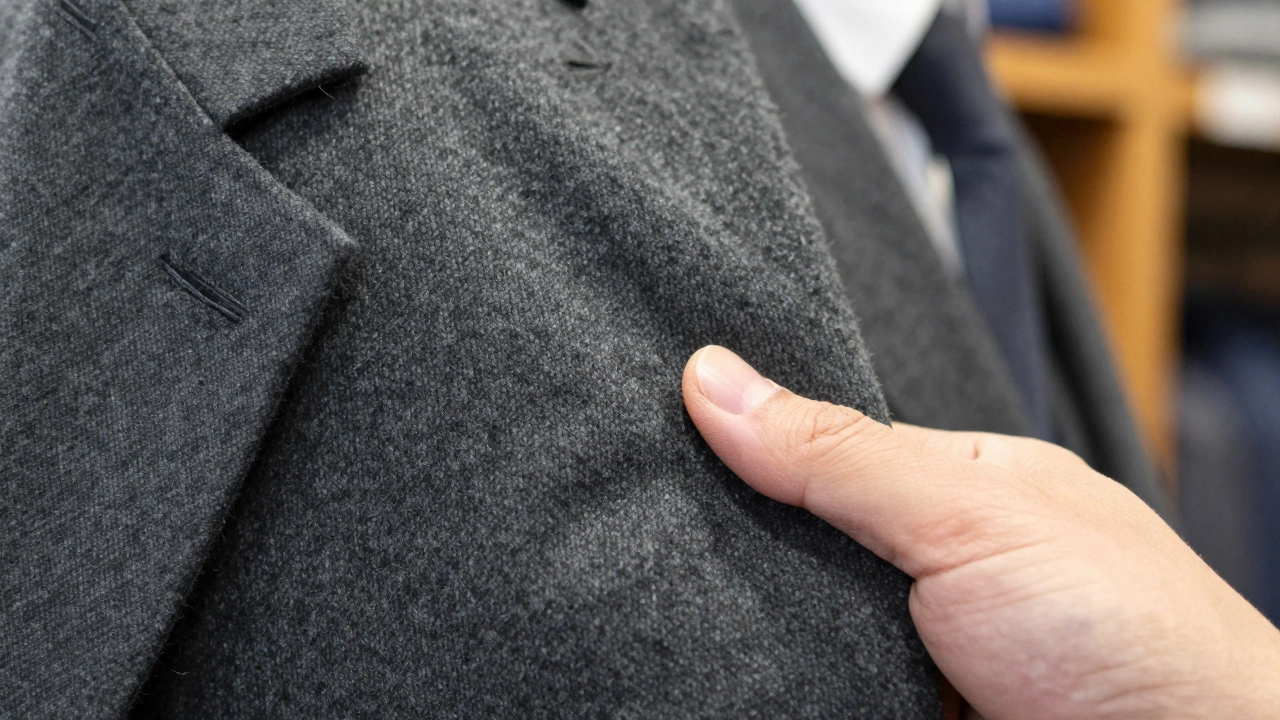
The first thing you should do is touch the fabric. Seriously, put your hand on it. Most entry-level suits in Ireland are made from polyester or a wool-polyester blend. These fabrics are shiny, stiff, and they trap heat. If you live in a city like Limerick or Waterford where summers can get surprisingly humid, polyester will make you miserable by noon.
Pure Wool is the gold standard for suit fabric because it breathes, resists wrinkles, and drapes naturally over the body. Look for a label that says 100% wool. Even better, look for the Super number (Super 100s to Super 150s). This indicates the fineness of the yarn. For everyday wear in Ireland, Super 110s to 120s is the sweet spot-it’s soft enough to be comfortable but durable enough to handle our changeable climate. Anything above Super 130s is very delicate and might not survive a rainy walk home from the bus stop in Belfast or Galway.
- Weight: In Ireland, you need some weight. A lightweight tropical wool suit (under 240g) is great for a summer wedding in Clare, but it won’t keep you warm in January. Aim for mid-weight wools (280g-320g) for year-round versatility.
- Texture: Run your fingers across the surface. Good wool has a slight nap or texture. If it feels perfectly smooth and plastic-like, it’s likely synthetic.
- Color Depth: High-quality wool dyes evenly. Check the lining and the inside of the pockets. If the color bleeds or looks patchy, skip it.
Construction: Canvas vs. Fused
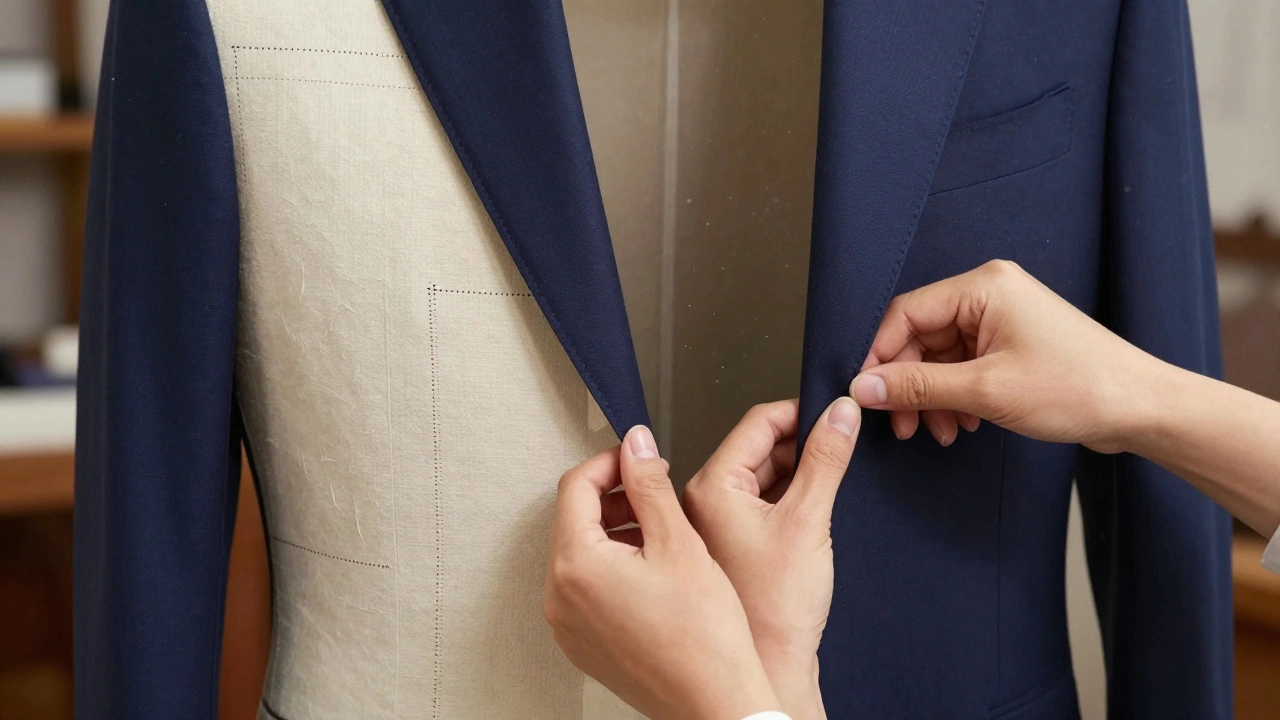
This is the secret sauce that separates a €200 suit from a €800 one. You need to understand the difference between fused and canvassed construction. Most cheap suits are "fused." This means the outer fabric is glued to an inner layer using heat and adhesive. Over time, especially with the humidity we get here, that glue breaks down. The chest starts to bubble, and the jacket loses its shape. It looks old before its time.
A good quality suit uses Canvas Construction is a method where horsehair or cotton canvas is hand-stitched to the fabric, allowing the jacket to mold to your body over time. There are two types: half-canvas and full-canvas.
| Feature | Fused (Glued) | Half-Canvas | Full-Canvas |
|---|---|---|---|
| Price Range (Ireland) | €150 - €300 | €400 - €700 | €800+ |
| Lifespan | 2-3 years | 5-10 years | 10+ years |
| Drape & Shape | Stiff, bubbles over time | Natural roll, molds to body | Excellent natural roll |
| Best For | Occasional wear, budget buys | Regular office wear, weddings | Bespoke, investment pieces |
To check this yourself, pinch the front lapel gently. If it feels hard and doesn’t move much, it’s likely fused. If it feels soft and you can see layers moving independently, it’s probably canvassed. In Dublin, shops like Wardrobe or local tailors often carry half-canvas options that offer the best balance of price and performance for the Irish market.
The Fit: Shoulders and Sleeves
You can alter a suit’s waist and sleeve length, but you cannot easily fix the shoulders. If the shoulder seam extends past the edge of your actual shoulder, the suit is too big. If it dips down your arm, it’s too small. The shoulder pad should end right where your bone ends. This is non-negotiable.
Next, look at the sleeves. They should show about half an inch of your shirt cuff. In Ireland, where we tend to dress smart-casual even in business settings, this detail shows attention to style. Also, check the "hackle" or the button on the sleeve. On a truly high-quality suit, these buttons are functional-they are sewn through all layers so you can open them. On cheaper suits, they are stitched shut as decoration. While not a dealbreaker, functional buttons are a sign of higher craftsmanship.
Details That Matter: Buttons and Lining
Look closely at the buttons. Cheap suits use plastic buttons that look glossy and uniform. Good suits use horn, corozo (tagua nut), or high-quality acetate. These have natural variations in color and texture. Horn buttons are heavier and add a premium feel to the jacket.
The lining should be breathable. Bemberg (cupro) is a common high-quality lining material that feels silky and allows air to pass through. Polyester linings are cheaper and less breathable. When you take off your jacket after a long day in a crowded train station in Heuston or Connolly, you’ll appreciate the difference.
Also, check the vents. Most suits come with single or double vents at the back. Double vents are generally more practical for sitting down, which you’ll do plenty of if you’re commuting or attending meetings. Make sure the vent closes neatly without gaping open.
Where to Buy Suits in Ireland
If you are looking for value, high street stores like Marks & Spencer or Uniqlo in Dundrum Town Centre or Luas stops around Dublin offer decent entry-level wool blends. However, for true quality, consider visiting specialized retailers.
- Dublin: Visit John Martin or Wardrobe for curated selections of European brands. For bespoke, try Savile Row-inspired tailors in Merrion Square.
- Cork: Debenhams (while closing nationally, stock remains) or local haberdasheries offer personalized service. Consider McCarthy’s for traditional Irish tailoring.
- Galway: Local boutiques often carry Italian brands that ship directly. Ask for appointments to ensure proper fitting.
- Belfast: The city has a strong tailoring heritage. Shops on Donegall Place offer both off-the-rack and made-to-measure options.
Don’t forget about second-hand options. Charity shops in villages across Ireland often have hidden gems-vintage wool suits that were well-made decades ago. With a little alteration, they can be yours for under €50.
Maintaining Your Suit in the Irish Climate
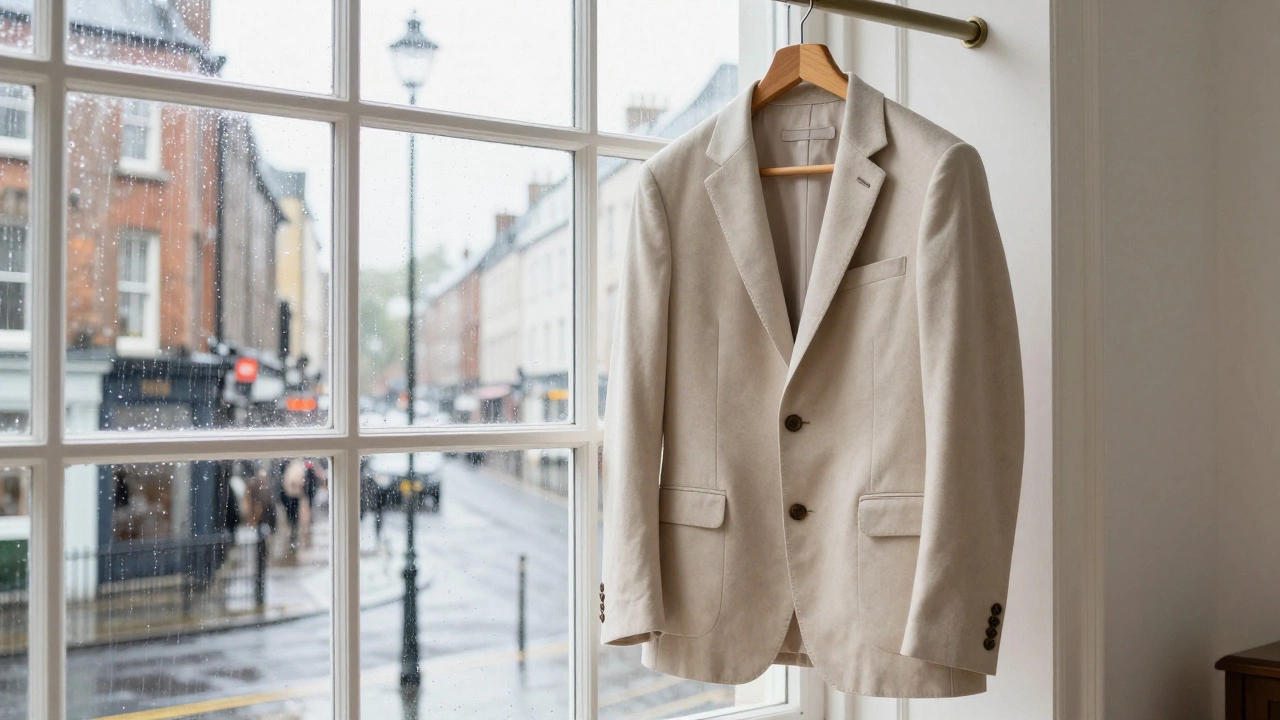
Ireland’s rain is no joke. To keep your suit looking good, invest in a waterproof spray designed for wool. Hang your suit on a wide wooden hanger immediately after wearing it to let it breathe. Never fold a suit in a bag unless absolutely necessary. Dry clean only when needed-over-cleaning strips the natural oils from the wool and shortens its life. Spot clean minor stains instead.
By focusing on fabric, construction, and fit, you can find a suit that lasts for years, not just seasons. Whether you’re dressing for a funeral in Mayo or a promotion in Galway, a well-chosen suit boosts confidence and respects the occasion.
What is the best fabric for a suit in Ireland?
Pure wool is the best choice. Specifically, mid-weight wool (280g-320g) balances warmth and breathability, making it suitable for Ireland’s variable weather. Avoid polyester blends as they trap heat and lack durability.
How can I tell if a suit is half-canvas or fused?
Pinch the lapel. If it feels stiff and hard, it’s likely fused (glued). If it feels soft and flexible with visible layers, it’s probably half-canvas. Half-canvas suits drape better and last longer.
Are Italian suits better than British suits for Irish buyers?
It depends on preference. Italian suits often feature softer shoulders and lighter fabrics, ideal for warmer months. British suits tend to be structured and heavier, better for colder weather. Both are excellent choices available in major Irish cities.
Where can I find affordable high-quality suits in Dublin?
Check out sales at Marks & Spencer, Uniqlo, or dedicated retailers like Wardrobe and John Martin. Second-hand charity shops in areas like Rathmines or Templebar also occasionally stock vintage wool suits.
How often should I dry clean my suit?
Only 2-3 times a year. Frequent dry cleaning damages wool fibers. Instead, air out your suit after wearing and spot clean minor stains. Use a wooden hanger to maintain shape.