Foot Pain Risk & Prevention Calculator
Your Work Profile
Protective Measures
Your Analysis
Enter your details to see how at-risk you are for foot pain and what steps to take next.
There is a specific kind of misery that hits around 4 PM after you’ve spent eight hours on your feet. Your arches feel like they’re collapsing, your heels are throbbing, and every step feels like walking on gravel. If you are working in retail on Grafton Street, serving coffee in a busy cafe in Galway city centre, or stocking shelves in a Tesco Metro in Cork, this pain is not just an annoyance; it is a daily reality for thousands of workers across Ireland.
We tend to accept foot pain as the price of doing business, but it doesn’t have to be that way. The Irish climate, with its unpredictable rain and often uneven pavement, adds another layer of difficulty. Wet socks and slippery floors change how we stand and move, putting extra strain on our joints. However, by adjusting your footwear, using simple tools, and changing how you manage your breaks, you can significantly reduce that end-of-day ache. Here is how to keep your feet happy while you earn your living.
The Foundation: Choosing the Right Work Shoes
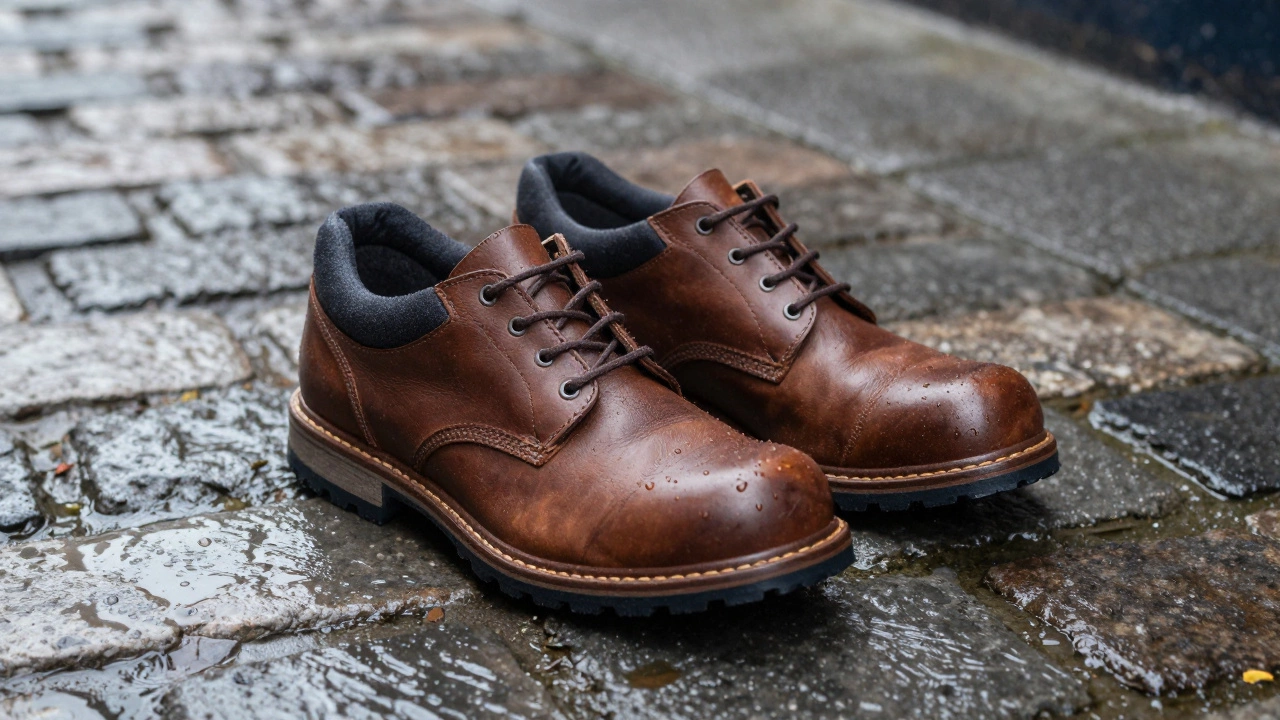
The single biggest factor in preventing foot pain is the shoe you put on in the morning. In Ireland, where weather shifts from dry to deluging in minutes, your footwear needs to do double duty: support your structure and keep water out. A cheap pair of sneakers might look fine, but if they lack proper arch support or cushioning, they will fail you by mid-afternoon.
You need shoes designed for standing all day. This means looking for specific features rather than just brand names. Look for a wide toe box that allows your toes to splay naturally. When you stand for long periods, your feet flatten and spread; tight shoes compress them, cutting off circulation and causing pain. Brands available in Irish stores like Dunnes Stores, Penneys (Primark), or specialized retailers like Sports Direct often carry lines specifically marketed for nurses, teachers, or hospitality staff. These usually feature memory foam insoles or gel heel cups.
Consider the material. Leather breathes better than synthetic materials, which helps prevent sweat buildup-a major issue in humid Irish summers or when wearing thick thermal socks in winter. Waterproof options are crucial if you work outdoors or in areas with poor drainage, such as construction sites or farmyards. Brands like Clarks or Ecco, widely available in Ireland, offer models that combine durability with comfort technology suitable for long shifts.
| Shoe Type | Pros | Cons | Best For |
|---|---|---|---|
| Cushioned Sneakers | Lightweight, flexible, good shock absorption | May lack lateral support, wear out quickly | Retail, light warehouse work |
| Leather Walking Shoes | Durable, breathable, waterproof options | Heavier, break-in period required | Outdoor work, rainy climates |
| Clogs (e.g., Dansko) | Excellent arch support, rigid sole protects against drops | Bulky, less aesthetic for some uniforms | Healthcare, kitchens, heavy lifting |
| Steel-Toe Boots | Safety protection, sturdy | Heavy, can cause fatigue if not well-cushioned | Construction, industrial settings |
The Secret Weapon: Anti-Fatigue Mats
If your job involves standing in one spot for long periods-like behind a counter at a bakery in Kilkenny or at a checkout in a SuperValu-your floor is your enemy. Hard surfaces like concrete, tile, or hardwood absorb none of the impact from your steps. This forces your muscles and joints to work overtime to stabilize your body.
An anti-fatigue mat changes everything. These mats are designed to compress slightly under your weight, encouraging micro-movements in your legs and keeping blood flowing. They reduce the strain on your lower back, knees, and feet. You can buy these online from sites like Amazon.ie or in hardware stores like Wickes or Homebase. Look for mats with a beveled edge to prevent tripping, especially important in busy public spaces.
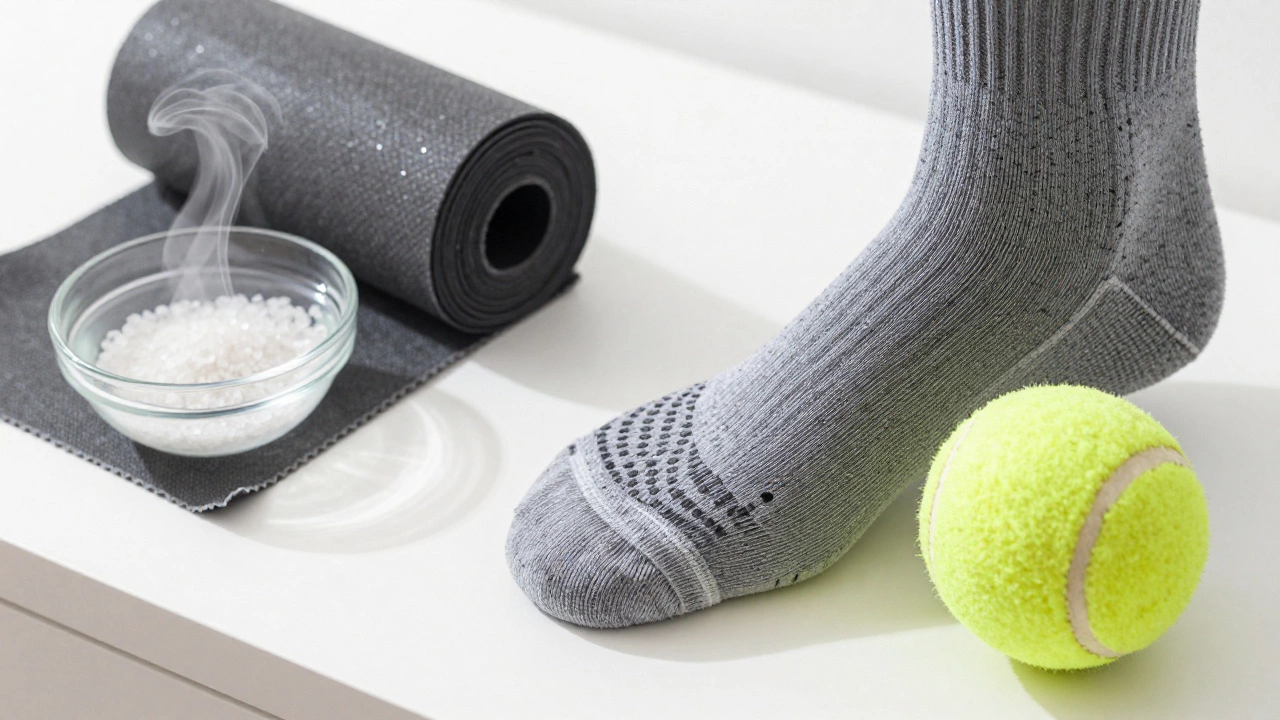
Place the mat directly where you stand most. Even a small 3x5 foot mat can make a huge difference during peak hours. If your employer refuses to provide one, consider buying a smaller personal mat or even a high-quality yoga mat as a temporary solution. It’s a small investment compared to the cost of chronic pain or medical bills later.
Support From Within: Orthotics and Socks
Sometimes, the right shoe isn’t enough because everyone’s feet are unique. Overpronation (rolling inward) or supination (rolling outward) can cause significant pain if not corrected. This is where orthotics come in. You don’t necessarily need expensive custom-made inserts. Many people find great relief with over-the-counter arch supports available at pharmacies like Boots, LloydsPharmacy, or even larger supermarkets.
Try brands like Superfeet or Dr. Scholl’s. Insert them into your work shoes to see if they alleviate pressure points. If you have severe pain, consult a podiatrist. In Ireland, private podiatry appointments are widely available, and some GP practices may refer you for assessment if work-related injury is suspected.
Don’t overlook socks. Thin cotton socks offer no cushioning and trap moisture. Switch to moisture-wicking blends with added padding in the heel and ball of the foot. Brands like Balega or Smartwool are popular among athletes and work well for all-day standing. Change your socks mid-shift if possible, especially if your feet get sweaty. Dry feet mean less friction, fewer blisters, and better overall comfort.
Movement Is Medicine: Stretching and Breaks
Standing still is actually more taxing on your body than walking. When you’re stationary, blood pools in your legs, and muscles tighten. You need to keep moving, even subtly. Shift your weight from one foot to the other. Roll your ankles. Flex your toes. These small movements act as pumps, pushing blood back up toward your heart.
Take advantage of any break you get. Step away from your station. Walk around the block if you’re allowed. Do some simple stretches:
- Calf Stretches: Stand facing a wall, place your hands on it, and step one foot back, keeping the heel flat. Hold for 30 seconds. This relieves tension in the calves, which directly affects foot pain.
- Toe Yoga: Try lifting only your big toe while keeping the others down, then switch. This strengthens the intrinsic muscles of the foot.
- Arch Rolls: Place a tennis ball or frozen water bottle under your foot and roll it back and forth. This massages the plantar fascia and reduces inflammation.
If you work in an office environment with occasional standing, consider a standing desk converter. But remember, alternating between sitting and standing is better than either extreme. Aim for a 1:1 ratio if possible.
Recovery After Hours
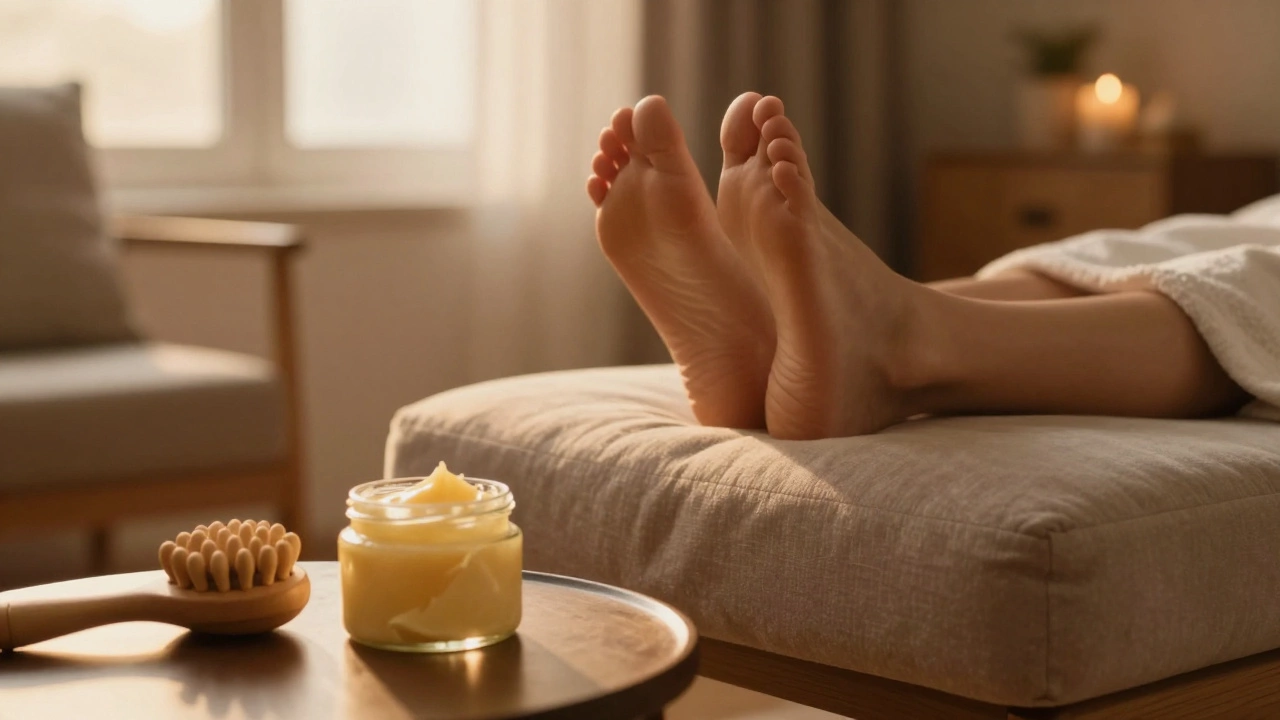
Your day doesn’t end when you clock out. How you treat your feet in the evening determines how they feel the next morning. Start by taking off your shoes and elevating your legs above heart level for 15-20 minutes. This uses gravity to drain fluid and reduce swelling.
A warm Epsom salt bath can soothe sore muscles. Add a cup of Epsom salts to a basin of warm water and soak your feet for 15 minutes. The magnesium sulfate may help reduce inflammation and relax muscles. Follow this with a thorough massage. Use your thumbs to press firmly into the arches and balls of your feet. Don’t skip the heels.
Moisturize your skin. Cracked heels are common in Ireland due to indoor heating in winter and frequent wet/dry cycles. Use a thick cream containing urea or shea butter. Wear soft slippers at home to avoid walking barefoot on cold, hard floors, which can aggravate plantar fasciitis.
When to Seek Professional Help
Pain should never be ignored. If you experience sharp, shooting pain, numbness, tingling, or persistent swelling, see a doctor. Conditions like plantar fasciitis, bunions, or arthritis require professional treatment. In Ireland, you can access care through your GP or privately. Some employers may also offer occupational health services that can assess your workstation and recommend ergonomic adjustments.
Keep a log of your pain levels. Note when it starts, what makes it worse, and what provides relief. This information is invaluable for healthcare providers and can also support claims for workplace accommodations if needed under Irish employment law.
What are the best shoes for standing all day in Ireland?
Look for shoes with strong arch support, cushioned soles, and breathable or waterproof materials. Brands like Clarks, Ecco, and Brooks are highly rated. Ensure there is room for your toes to spread and consider adding orthotic inserts for personalized support.
Can I use anti-fatigue mats at home?
Yes, absolutely. If you spend time cooking or cleaning at home, placing a mat in front of the kitchen sink or stove can reduce strain. They are also useful for anyone who stands for long periods while working from home.
How often should I replace my work shoes?
Generally, every 6-12 months depending on usage. Check for worn-out soles, compressed cushioning, or visible damage. If your feet start hurting again in previously comfortable shoes, it’s likely time for a new pair.
Are custom orthotics worth the cost?
For many people, yes. While over-the-counter options work for mild issues, custom orthotics prescribed by a podiatrist address specific biomechanical problems. In Ireland, costs vary, but they can prevent long-term injuries and improve quality of life.
What exercises help relieve foot pain after work?
Calf stretches, toe curls, and rolling your foot over a tennis ball are effective. Elevating your legs and soaking in Epsom salt baths also promote recovery and reduce swelling.