T-Shirt Quality Checker
Answer these questions about your t-shirt to determine its quality level. Based on expert guidelines for Irish buyers.
Walking through the streets of Dublin or browsing the markets in Galway, you’ve likely noticed that not all white tees are created equal. Some look crisp after one wash, while others shrink into tight tank tops and lose their shape by Tuesday. In Ireland, where the weather can shift from bright sunshine to heavy rain in an hour, having a reliable wardrobe staple is less about fashion trends and more about practical durability. If you want to know how can you tell a quality t-shirt, you need to look past the price tag and examine the construction, fabric weight, and finish.
We often buy basics on impulse-grabbing a multi-pack because it’s cheap. But if you live here, dealing with damp laundry days and high energy costs for drying, you want clothes that last. A good t-shirt should survive the Irish climate without pilling, fading, or sagging. Let’s break down exactly what makes a tee worth your money, using standards that apply whether you’re shopping at Brown Thomas in Grafton Street or hunting for bargains in local charity shops.
The Fabric Weight: Why GSM Matters
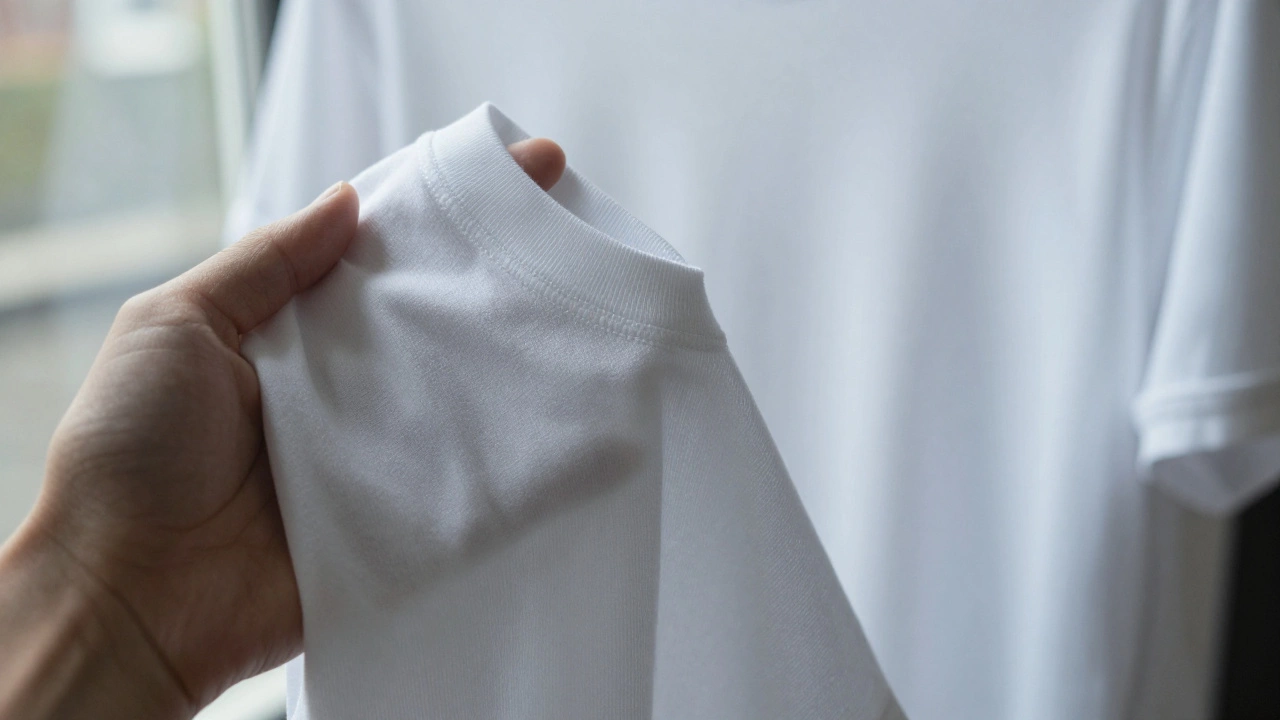
The most critical metric for any t-shirt is its weight, measured in grams per square meter (GSM). This number tells you how dense the fabric is. Most fast-fashion brands sell shirts weighing between 130 and 150 GSM. These are thin, breathable, but also see-through and prone to wrinkling. If you hold them up to the light in a shop, you can probably read the label on the rack behind them. That’s not a quality shirt.
For a premium feel, look for a weight between 180 and 220 GSM. This range offers enough structure to hold its shape over your shoulders without feeling like armor. Brands like Uniqlo or higher-end Irish labels often aim for this sweet spot. Anything above 240 GSM is considered heavyweight, great for layering under jackets during our chilly Atlantic winds, but potentially too warm for summer festivals like Electric Picnic. When you pick up the shirt, it should feel substantial in your hand, not flimsy. Shake it slightly; a low-quality shirt will ripple like plastic, while a good one will have a dull thud and minimal movement.
Cotton Types: Ring-Spun vs. Combed
Not all cotton is the same. The type of processing determines softness and longevity. Standard open-end cotton is cheaper but rougher and more likely to pill-that annoying fuzziness that appears after a few washes. You want to look for "ring-spun" or "combed" cotton on the label.
Ring-spun cotton involves twisting the fibers tightly before spinning them into yarn. This removes short strands and creates a smoother, stronger thread. It feels softer against the skin right out of the package. Combed cotton takes it a step further by brushing out impurities and shorter fibers, resulting in an even finer texture. If you’re sensitive to fabrics or plan to wear the shirt directly against your skin during long days working outdoors in Kerry or Cork, these finishes make a noticeable difference. They resist piling significantly better than standard cotton, keeping the shirt looking new for years rather than months.
Construction Details: Seams and Collars
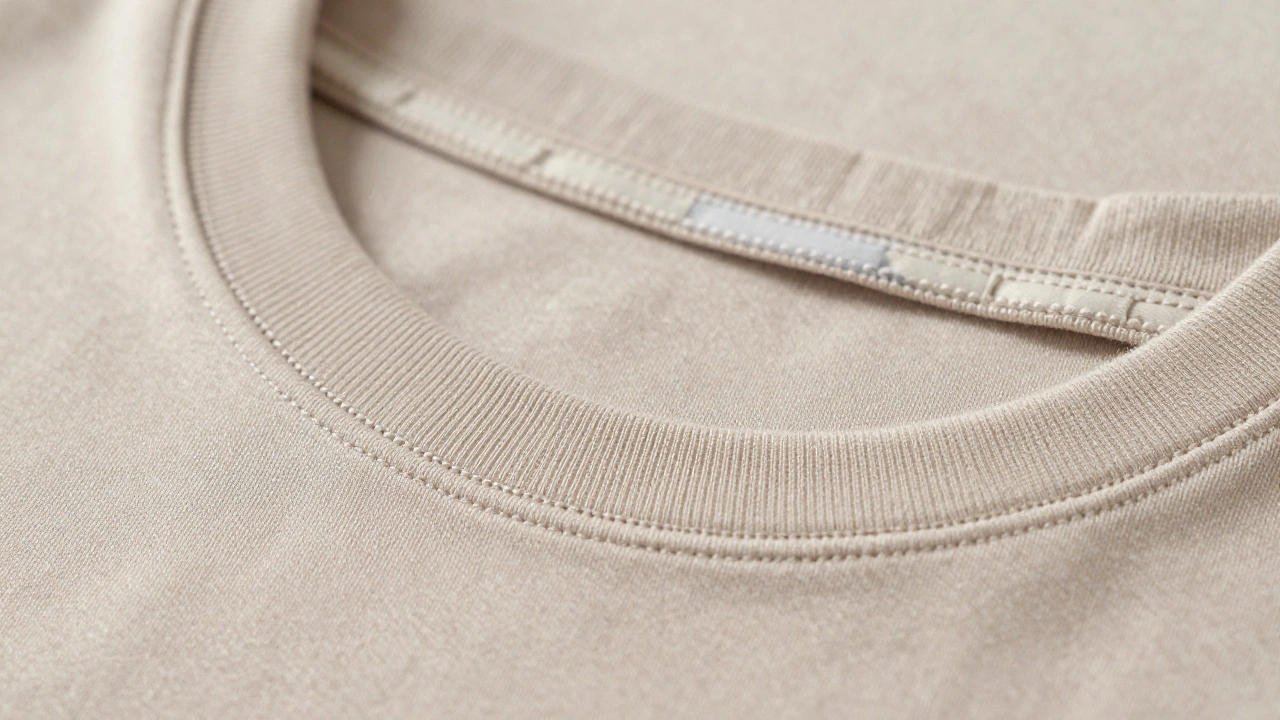
Even the best fabric fails if the construction is poor. Start by checking the collar. A single-needle collar, which looks like two parallel lines of stitching around the neck, is superior to a flat-felled seam (one thick line of stitching). Single-needle collars lie flatter and don’t curl up after washing. Run your fingers along the inside of the neckband. Is there a reinforced tape? High-quality shirts use a double-layered rib knit for the collar to prevent stretching. If the collar feels loose or wobbly when you tug it gently, it will eventually balloon out, giving you that worn-out look we all hate.
Next, inspect the side seams. Look for a coverstitch-a zigzag stitch on the outside and straight stitches on the inside. This allows the fabric to stretch slightly without breaking the thread. Cheap shirts often use a simple lockstitch, which can snap if you raise your arms overhead. Check the hem at the bottom and sleeves. It should be even and consistent. Uneven hems suggest poor cutting and assembly, meaning the shirt might twist when you wear it. In Ireland, where we value craftsmanship, paying attention to these small details ensures the garment respects the materials used.
Dyeing Methods: Garment-Dyed vs. Piece-Dyed
How the color gets into the fabric affects both aesthetics and durability. There are two main methods: piece-dyeing and garment-dyeing. Piece-dyeing involves dyeing the fabric before it’s cut and sewn. This is common in mass production. The colors can be vibrant initially but may fade unevenly after repeated washes, especially if exposed to the sun while hanging out to dry on a line-a common practice in many Irish households.
Garment-dyeing means the entire finished shirt is dyed. This results in a softer hand feel and a more vintage, lived-in look. The color penetrates deeper, including the threads used for stitching, so the seams match the fabric perfectly. While garment-dyed shirts might cost a bit more, they age gracefully. Instead of looking faded and tired, they develop character. For those who prefer a classic, timeless style that fits well with casual Irish pub attire or weekend hikes, garment-dyed options offer better long-term value.
Fitting and Silhouette
A quality t-shirt should fit your body, not fight it. Avoid overly boxy cuts that hide your shape completely, as well as ultra-slim fits that restrict movement. Look for a shirt with slight tapering at the waist. This provides a cleaner silhouette without being tight. The shoulder seam should sit exactly at the edge of your shoulder bone. If it hangs down, the shirt is too big; if it pulls toward your neck, it’s too small.
Sleeve length is another indicator. Sleeves should end midway up your bicep. Short sleeves that pinch the arm indicate poor pattern making. Long sleeves that extend past the elbow look sloppy. Try moving your arms around in the fitting room. Raise them, cross them, simulate reaching for a coffee cup. If the shirt rides up excessively or feels restrictive, the cut isn’t right for your build. A well-made shirt accommodates natural movement, essential for active lifestyles whether you’re cycling through Phoenix Park or walking the Cliffs of Moher.
| Feature | Low Quality | High Quality |
|---|---|---|
| Fabric Weight (GSM) | 130-150 GSM | 180-220 GSM |
| Cotton Type | Open-end / Standard | Ring-spun / Combed |
| Collar Construction | Flat-felled (single line) | Single-needle (double line) with tape |
| Dye Method | Piece-dyed | Garment-dyed |
| Seam Finish | Lockstitch | Coverstitch (zigzag) |
Local Context: Shopping Smart in Ireland
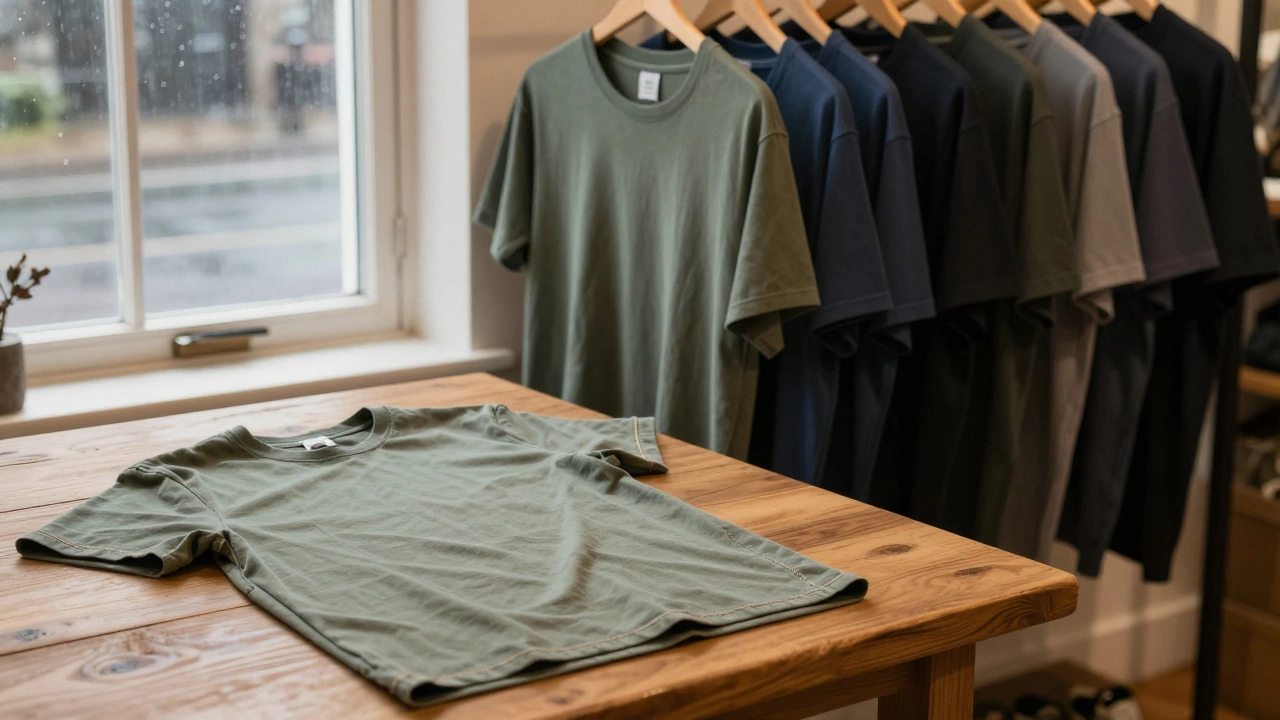
When shopping in Ireland, consider supporting local brands that prioritize ethical manufacturing and durable materials. Companies based in cities like Limerick or Waterford often produce garments designed for longevity rather than disposability. Visit independent boutiques in areas like Temple Bar or the Spanish Arch area in Galway to find unique, high-quality pieces. Even when buying from international retailers, check if they have sustainable lines. Many major stores now offer eco-friendly collections using organic cotton, which is processed without harmful pesticides, benefiting both the farmer and the wearer.
Don’t overlook second-hand options. Charity shops across Ireland, such as those run by the Society of St. Vincent de Paul or local community groups, often receive donations of high-end brands. You can find pristine, heavy-weight tees from designers for a fraction of the original cost. Inspect them carefully for signs of wear, but remember that a high-quality shirt can withstand multiple owners if cared for properly. This approach aligns with growing environmental awareness in Ireland, reducing waste and promoting circular fashion.
Care Tips to Extend Lifespan
Even the best t-shirt will degrade if treated poorly. Wash your tees inside out to protect the outer surface from friction. Use cold water cycles to preserve elasticity and prevent shrinking. Avoid tumble drying whenever possible; instead, hang them to dry on a line or flat drying rack. The humidity in Ireland can slow drying times, but air-drying maintains the fabric’s integrity far better than heat. Iron only if necessary, and always on a low setting. By following these simple steps, you ensure that your investment lasts through countless seasons, regardless of the weather outside.
What GSM should I look for in a t-shirt?
Aim for 180-220 GSM for a balance of comfort and durability. Lower weights (under 150 GSM) tend to be too thin and see-through, while higher weights (over 240 GSM) are better suited for layering in colder weather.
Is ring-spun cotton better than regular cotton?
Yes, ring-spun cotton is smoother, stronger, and less likely to pill than standard open-end cotton. It provides a softer feel and longer lifespan, making it ideal for everyday wear.
How do I know if a t-shirt collar is high quality?
Look for a single-needle collar with two parallel lines of stitching and internal reinforcement tape. This construction prevents curling and stretching, maintaining a neat appearance over time.
Should I buy garment-dyed or piece-dyed shirts?
Garment-dyed shirts offer a softer feel and more consistent color integration, aging gracefully with wear. Piece-dyed shirts may fade unevenly, especially after repeated washing and sun exposure.
Where can I find high-quality t-shirts in Ireland?
Check local boutiques in Dublin, Galway, or Cork, support Irish-made brands, or explore charity shops for discounted premium brands. Online retailers also offer detailed specifications to help you choose wisely.