Suit Quality & Value Calculator
Suit Details
Enter suit details to calculate value and quality assessment.
Walking down Grafton Street in Dublin or browsing the boutiques in Galway’s Latin Quarter, you’ll see rows of suits hanging side by side. One looks sharp, crisp, and inviting. The other? It hangs like a wet towel. You might think it’s just about the brand name on the tag, but there is a whole world of difference between a cheap suit and an expensive one that has nothing to do with logos. In Ireland, where we dress up for weddings, funerals, business meetings in Phoenix Park, and even a nice dinner in Killarney, knowing what you are buying matters. You don’t want to look like you’re trying too hard, nor do you want to look sloppy because you bought the wrong thing.
The truth is, a cheap suit will show its age after three wears, while a well-made suit can last you ten years if cared for properly. But how do you tell them apart before you buy? It comes down to fabric, construction, fit, and details. Let’s break it down so you can walk into any shop-from H&M in Dundrum Town Centre to a bespoke tailor in Cork-and know exactly what to look for.
Fabric: The First Thing You Should Touch
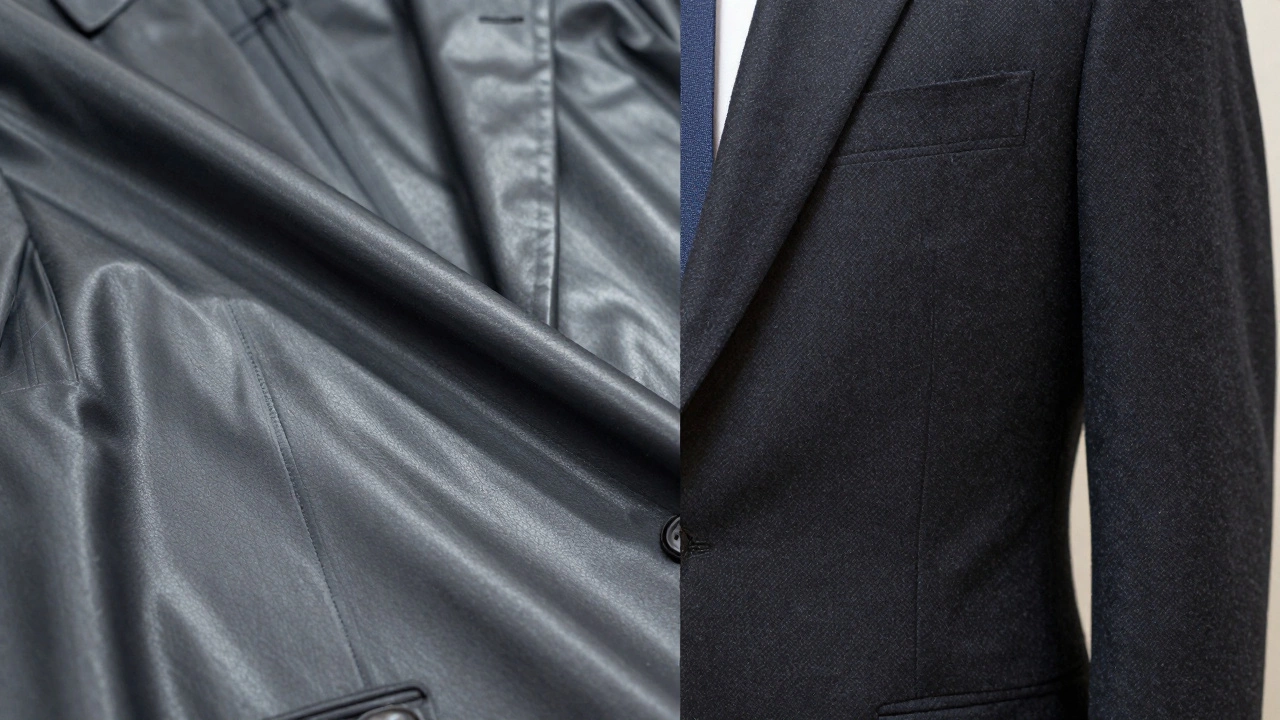
Before you even look at the cut, put your hand on the material. This is the single biggest giveaway. Cheap suits are almost always made from synthetic fibers like polyester, acrylic, or rayon. These fabrics feel smooth at first, but they lack depth. They often have a slight plastic shine under bright shop lights. If you rub the fabric between your fingers, it feels slippery and cool, not warm and textured.
Wool is the gold standard for suit fabric, especially in Ireland’s changeable climate. An expensive suit uses pure wool, often labeled as Super 100s, Super 120s, or higher. Wool breathes, which means you won’t sweat through it during a summer wedding in Kilkenny or freeze during a winter funeral in Limerick. It also resists wrinkles better than synthetics. When you touch good wool, it feels soft but substantial, with a natural texture. If the label says “polyester blend” or “acetate,” you are looking at a cheap suit. Even a small percentage of synthetic fiber can ruin the drape and durability of the garment.
In Ireland, we deal with rain, wind, and sudden temperature drops. A cheap polyester suit traps heat and moisture, making you uncomfortable. A wool suit adapts to the weather. Look for terms like “tropical wool” for lighter options in spring and autumn, or “flannel” for heavier warmth in winter. Brands like Harris Tweed, though more common in jackets, represent the kind of heritage quality you should seek in suit fabrics too.
Construction: What’s Inside Matters More Than What’s Outside
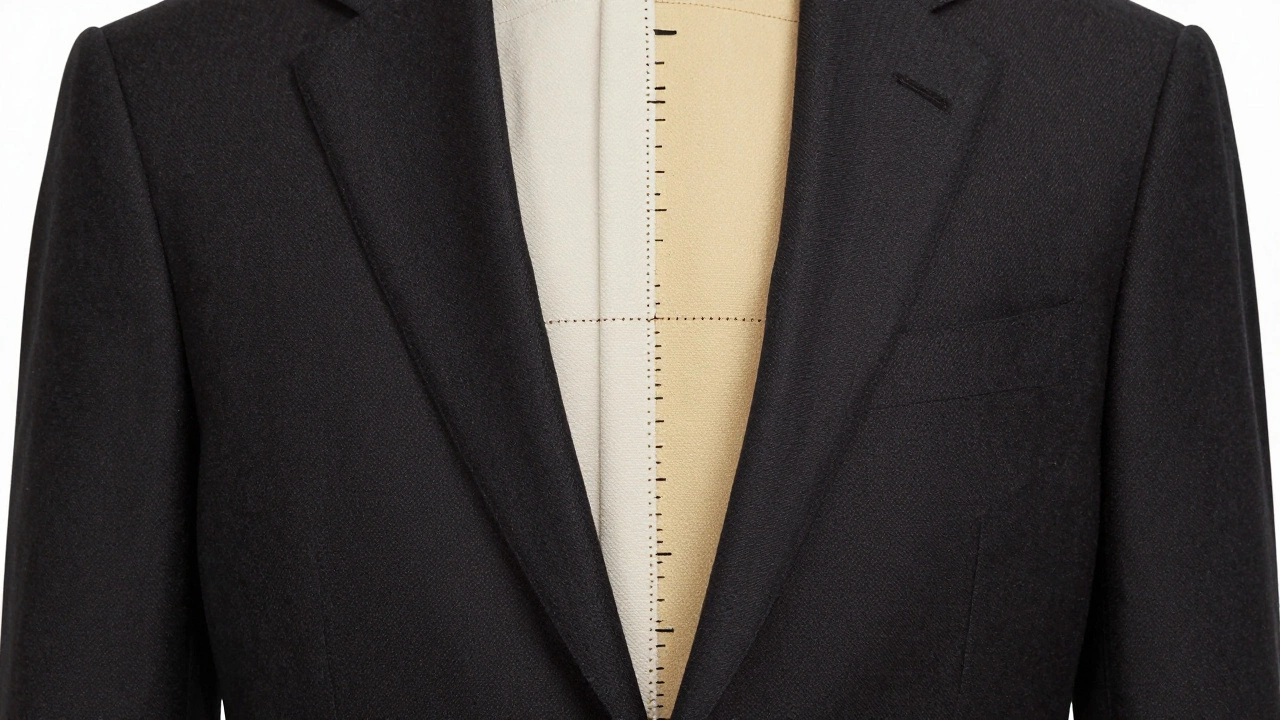
This is where most people get tricked. From the outside, a cheap suit can look identical to an expensive one. But open the jacket and look inside. The lining tells the story. Cheap suits use fully lined constructions with cheap Bemberg or polyester linings that crack and peel after a few dry cleans. Expensive suits often feature half-canvassed or full-canvassed construction. This means there is a layer of canvas (a stiff fabric) glued or stitched between the outer fabric and the lining to give the jacket shape.
To check this, pinch the chest area of the jacket. If it feels thick and layered, it likely has canvas. If it feels flat and thin, it’s probably fused-meaning glue was used to attach the interlining. Fused suits are cheaper to make, but the glue breaks down over time, causing the jacket to bubble and wrinkle in weird places. I’ve seen many guys in Derry wear fused suits that start bubbling around the pockets after two years. Canvas construction allows the jacket to mold to your body over time, creating a personalized fit that improves with age.
Also, check the buttons. Are they sewn on with a small loop of thread left at the bottom? This is called a “button stand,” and it prevents the button from tearing off if you pull the jacket tight. Cheap suits skip this detail. The buttons themselves should be horn, mother-of-pearl, or high-quality plastic, not flimsy painted wood that chips easily.
Fit: Off-the-Rack vs. Tailored
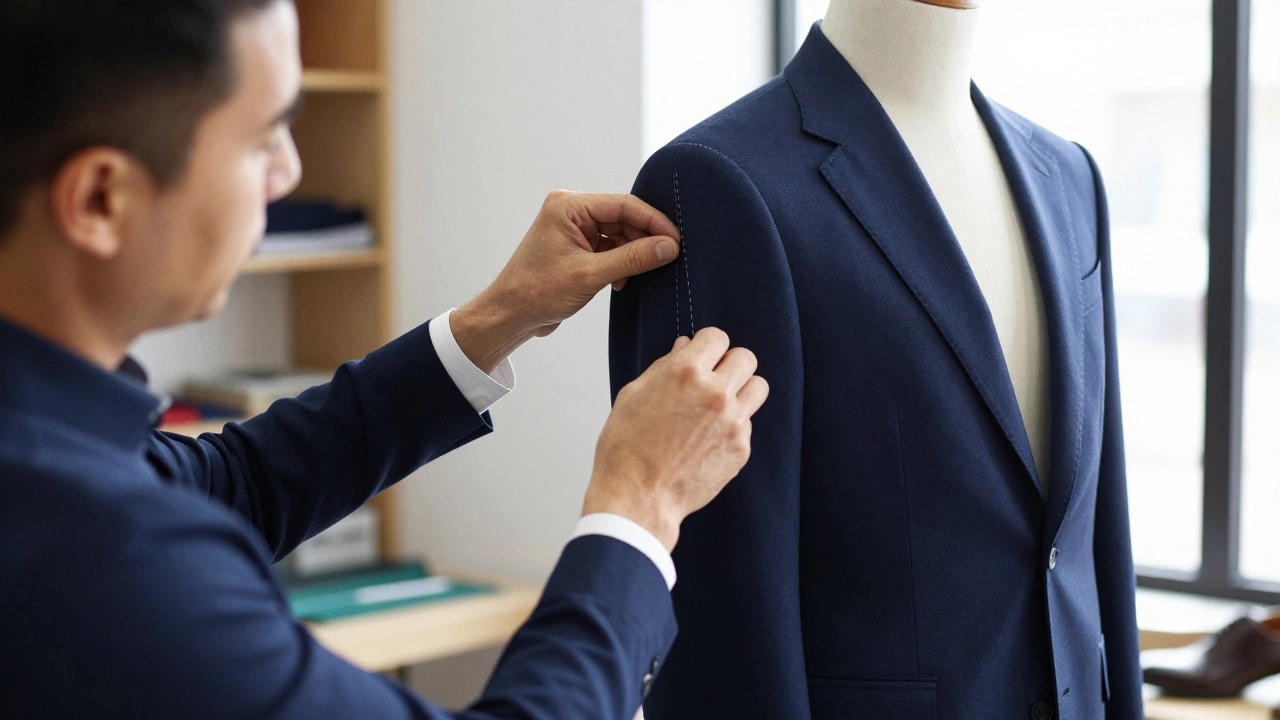
A cheap suit is designed to fit everyone, which means it fits no one well. It will be boxy in the shoulders, long in the torso, and wide in the legs. An expensive suit, even off-the-rack, is cut with more precision. But here’s the secret: the best-looking suit is always tailored. In Ireland, we have excellent tailors in every major city. Whether you’re in Belfast, Dublin, or Galway, spending €50-€100 on alterations can turn a mid-range suit into something that looks custom-made.
Look at the shoulders. This is the hardest part to alter. If the shoulder seam extends past your actual shoulder bone, the suit is too big. If it dips below, it’s too small. A proper fit sits right on the edge of your shoulder. The sleeves should end just above the wrist bone, showing a sliver of your shirt cuff. The trousers should have a slight break at the shoe-not pooling on the floor, not hiking up to your ankles.
Cheap suits often have unfinished hems inside the trousers, meaning you can’t hem them without exposing raw edges. Expensive suits have clean, finished seams that allow for easy adjustments. Always ask the shop if they offer tailoring services. Many Irish retailers, like Brown Thomas or local independents, provide this as part of the purchase.
Details That Reveal Quality
Small details make a big difference. Check the pockets. Cheap suits often have fake flap pockets-just fabric printed to look like a pocket but actually solid. Real pockets add structure and functionality. Look at the stitching. It should be even, tight, and consistent. Loose threads or uneven seams are signs of rushed manufacturing.
Another key detail is the vent. Most suits have a center back vent or side vents. In a cheap suit, the vent may gape open when you sit or move. In a well-made suit, the vent lies flat and closes smoothly. This is due to the internal structure and balance of the jacket. Also, check the lapels. They should roll naturally, not stick out stiffly. Rolled lapels indicate softer, higher-quality construction, while peaked or stiff lapels often signal mass-produced, lower-end garments.
Don’t forget the trousers. Cheap suit pants often have elastic waists hidden behind pleats, which look unprofessional. Expensive suits have fixed waists with belt loops or side adjusters. The fly should be sturdy, preferably with a metal zipper, not a cheap plastic one that jams.
Price vs. Value in the Irish Market
In Ireland, you can find suits ranging from €100 to €1,500+. Does price always equal quality? Not always, but it’s a strong indicator. A €150 suit from a fast-fashion retailer is likely made with fused construction and synthetic blends. It might look okay for one event, but it won’t hold up. A €400-€600 suit from a reputable brand like Ted Baker, Mango Man, or Marks & Spencer offers better fabric and construction. For €800+, you enter the realm of premium brands like Hugo Boss, Massimo Dutti, or Irish-made labels like Bally accessories or local bespoke tailors.
If you’re buying for a specific occasion, like a wedding in County Clare, a mid-range suit with tailoring is smart. If you’re a professional who wears suits weekly, invest in wool and canvas construction. Remember, cost per wear matters more than upfront price. A €500 suit worn 50 times costs €10 per wear. A €150 suit worn 10 times costs €15 per wear-and looks worse each time.
| Feature | Cheap Suit | Expensive Suit |
|---|---|---|
| Fabric | Polyester/Acrylic blend | Pure Wool (Super 100s+) |
| Construction | Fused (glued) | Half/Full Canvas |
| Lining | Full polyester lining | Bemberg or silk, partial lining |
| Buttons | Plastic, no button stand | Horn/Mother-of-pearl, with button stand |
| Fit | Boxy, one-size-fits-all | Tailored, precise cuts |
| Durability | 1-2 years | 5-10+ years |
Where to Buy Suits in Ireland
Your location matters. In Dublin, you have access to everything from high-street chains to luxury boutiques. Try Brown Thomas on Grafton Street for premium brands, or head to the Design District for independent designers. In Cork, English Market area shops offer curated selections. Galway’s Latin Quarter has several tailors who can advise on fit and style. For budget-friendly options, consider outlet stores in Blanchardstown or Bray, but always inspect the fabric and construction yourself.
Don’t overlook second-hand markets. Shops like Oxfam or specialized vintage stores in Dublin’s Temple Bar sometimes carry high-quality wool suits at fraction of the original price. Just check for stains, moth damage, and structural integrity.
Can a cheap suit look expensive?
Only temporarily. With perfect tailoring, a mid-range suit can mimic the fit of an expensive one. However, the fabric sheen, wrinkling, and lack of structure will eventually reveal its true quality. Never rely on fit alone to judge value.
Is wool necessary for a suit in Ireland?
Yes. Ireland’s humid, variable climate demands breathable, temperature-regulating fabrics. Wool absorbs moisture without feeling wet and releases it slowly, keeping you comfortable year-round. Synthetics trap sweat and odor.
How much should I spend on a first suit?
Aim for €300-€500 for a good entry-level wool suit from a reputable brand. Add €50-€100 for tailoring. This balances quality and affordability, ensuring longevity without breaking the bank.
What’s the difference between fused and canvassed suits?
Fused suits use glue to attach inner layers, making them cheaper but prone to bubbling. Canvassed suits use stitched fabric layers, allowing the jacket to mold to your body and last longer. Always prefer canvas if possible.
Should I buy online or in-store?
Always try suits in-store. Fit varies wildly between brands. Online purchases risk incorrect sizing and inability to assess fabric quality. Use online research to identify styles, then visit physical shops to test comfort and drape.