Vintage Jacket Age Estimator
Use this guide to narrow down the birth year of your find by examining key physical traits.
Examine Your Jacket
Select options from the left to see an estimated date range.
--
Analysis will appear here.
Key Clues Detected:
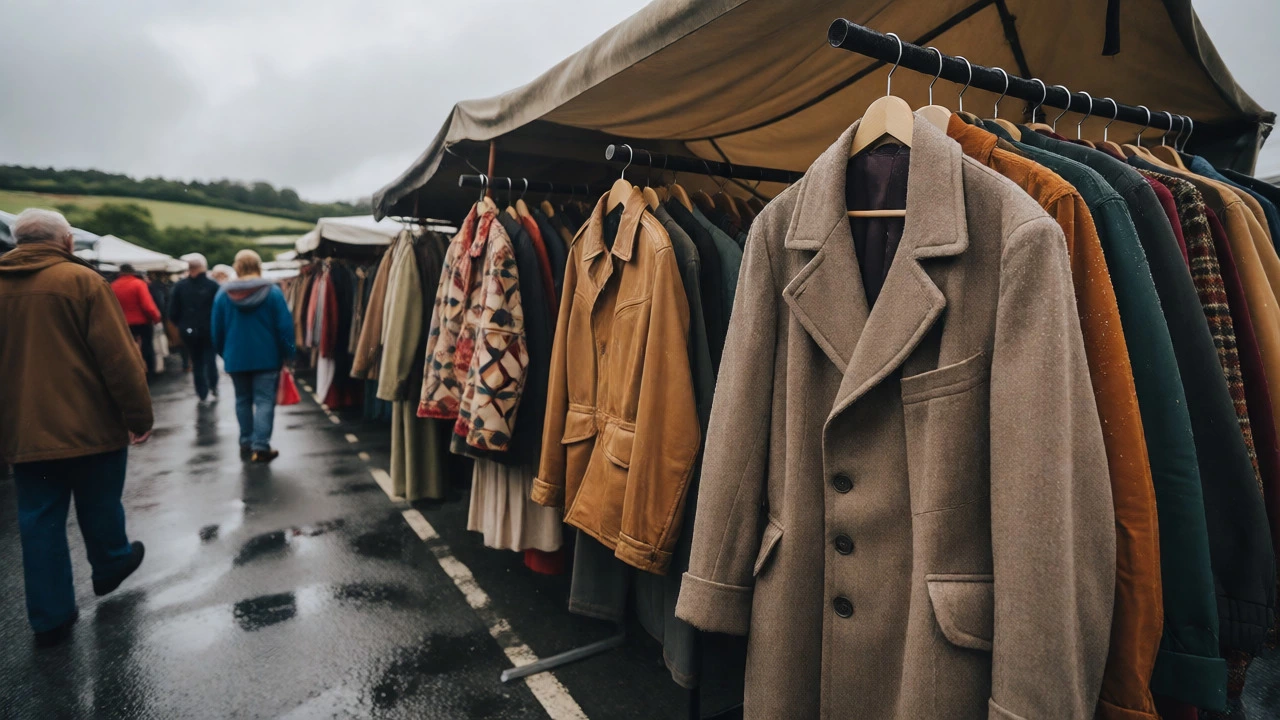
You’re rummaging through a bin at the Galway flea market or hunting for bargains in a charity shop in Dublin, and you spot it: a worn-in leather bomber or a tweed blazer that feels like it has stories to tell. But how old is it really? Is it a genuine 1950s piece or just a well-aged reproduction from the 80s? Determining the age of a vintage jacket isn’t just about guessing; it’s about reading the clues stitched into the fabric, hidden in the zippers, and stamped on the labels.
In Ireland, where our weather demands layers and our culture cherishes heritage, knowing what you’re buying matters. You don’t want to pay premium prices for a modern fast-fashion knockoff disguised as retro. Whether you are a collector, a reseller, or just someone who wants to wear something with soul, here is how you can figure out the birth year of your new favorite outerwear.
The Quick Summary: Key Clues to Date Your Jacket
| Era | Zippers | Labels & Tags | Fabric & Construction |
|---|---|---|---|
| Pre-1950s | Talons (metal), often brass; no plastic teeth. Rarely YKK. | Woven cotton labels, black ink, often hand-numbered. No care symbols. | Natural fibers only (wool, silk, heavy cotton). Hand-stitched details common. |
| 1950s-1960s | Metal zippers still dominant. Plastic teeth begin appearing late 60s. | Brand names prominent. Care instructions start appearing but are minimal. | Rise of synthetic blends (rayon, early nylon). Tailoring becomes more standardized. |
| 1970s-1980s | Plastic zippers become standard. Nylon coil zippers appear. | Care tags with symbols (washing machine icons) become mandatory. | Polyester dominates. Bright colors, synthetic linings, mass-produced stitching. |
| 1990s+ | YKK brand ubiquitous. High-quality plastics and metal mixes. | Detailed care labels, fiber content percentages required by law. | Technical fabrics emerge. Brand logos large and bold. |
Read the Hardware: Zippers Tell the Story
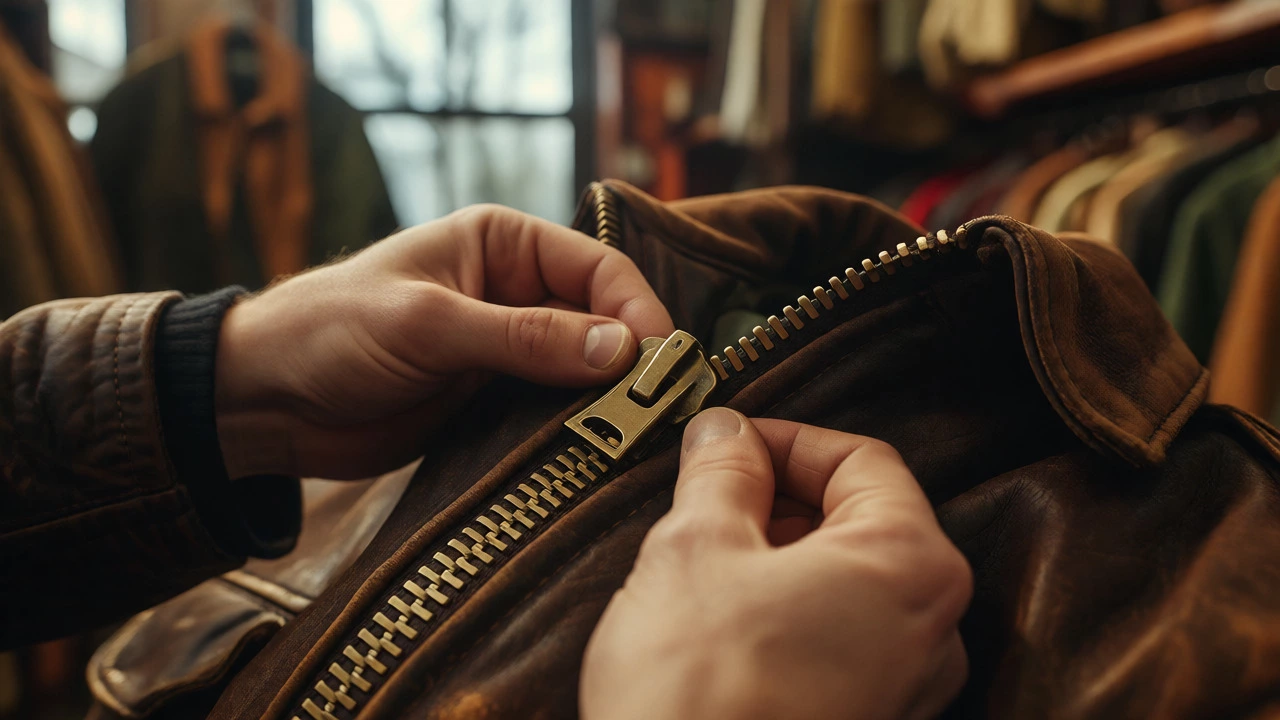
If you look closely at the zipper, you’ll see that hardware is one of the most reliable indicators of age. Before the mid-1950s, most jackets used metal zippers made by brands like Talons or Conmar. These feel heavy, cold to the touch, and have distinct teeth that interlock visibly. If you find a metal zipper on a denim trucker jacket or a wool coat, you are likely looking at something pre-1960.
By the 1970s, plastic zippers took over. They are lighter, smoother, and often have colored tape matching the jacket. The game-changer here is the introduction of the YKK brand. While YKK existed earlier, they didn’t dominate the global market until the late 70s and 80s. If you see "YKK" stamped clearly on the slider, your jacket is almost certainly post-1980. In Ireland, many vintage shops stock American imports, so checking for US-specific zipper brands like Talons can help pinpoint if a piece came across the Atlantic before European manufacturing standards shifted.
Decode the Labels and Tags
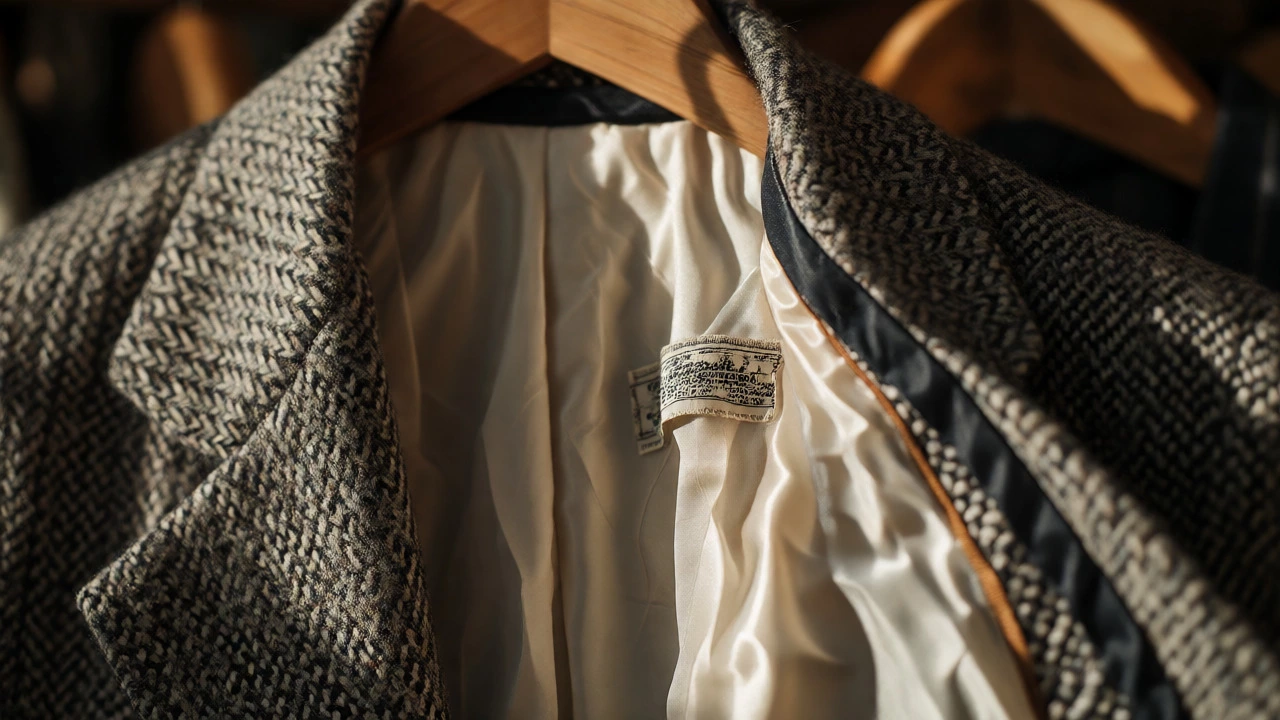
Turn the jacket inside out. The label is your ID card. Older garments, particularly those from the 40s and 50s, often feature woven labels rather than printed ones. These labels might list the manufacturer’s name but rarely give detailed care instructions because dry cleaning was assumed to be the norm. If you see a tag that says "Dry Clean Only" with no other symbols, it’s an older style convention.
A major turning point occurred in the late 1960s and early 1970s when international standards began requiring care symbols-those little squares, circles, and triangles that tell you how to wash the item. If your jacket lacks these universal care symbols, it predates this regulation. Also, look for the country of origin. "Made in USA" was common until trade shifts moved production overseas. In the Irish context, you might find "Made in Great Britain" or later, "Made in China." A "Made in Eire" or "Made in Ireland" label is rare for mass-market jackets but points to local craftsmanship, possibly from defunct mills in Donegal or Wicklow.
Analyze Fabric and Construction
Fabric tells you as much as the label does. Natural fibers rule the roost before the 1950s. If you scratch the lining and it feels like paper or crinkles unnaturally, it’s likely rayon or acetate, popular in the mid-century. True wool and cotton linings breathe better and age differently-they soften over time rather than cracking.
Check the seams. Are they finished? Older high-quality jackets often had French seams or bias binding to prevent fraying. Mass-produced items from the 80s onwards frequently use serged edges (overlocked stitching) which are quicker to make but less durable. If you find hand-finished buttonholes or reinforced stress points with extra stitching, you’re holding a garment built to last decades, typical of workwear jackets sold in rural Irish markets throughout the 20th century.
Consider the silhouette. The cut changes dramatically by decade. 1940s jackets were boxy and utilitarian due to wartime rationing. The 1950s brought fitted waists and structured shoulders. The 1970s exploded with wide lapels and flared cuts. If you’re trying to date a tweed jacket, look at the shoulder padding. Minimal padding suggests pre-1940s or 1990s revival styles; heavy, square padding screams 1980s power dressing.
Where to Find Authentic Vintage Jackets in Ireland
Ireland has a thriving second-hand scene, but quality varies wildly. For serious collectors, charity shops run by organizations like Oxfam or St. Vincent de Paul can yield gold, especially in affluent areas like Dublin’s Ballsbridge or Galway’s Salthill. However, online platforms like DoneDeal and Facebook Marketplace have become primary sources. Be wary of sellers using terms like "vintage" loosely to mean "used." Ask for close-ups of the zipper and label before committing.
Specialist vintage stores in Dublin, such as Vintage Republic or The Vintage House, curate their stock, meaning the dating is often already done for you. They know the difference between a 1960s Levi’s Type III and a 1980s reissue. In Cork, smaller boutiques often carry European-sourced goods, which may follow different labeling conventions than US imports. Always check local regulations: while there are no specific laws against selling vintage clothes, consumer rights under the Sale of Goods and Supply of Services Act apply to all transactions, even in charity shops if you’re buying from a commercial entity.
Common Pitfalls: Fakes and Reproducts
Not everything old is valuable, and not everything labeled vintage is authentic. One common trap is the "repro." Brands like Schott or Lewis Leathers produce new jackets designed to look old. How do you tell? Check the wear patterns. Real vintage shows uneven fading, usually on elbows and collars, where skin oils and sunlight hit. Repros often have artificial distressing-sandblasted patches or uniform fading that looks too perfect.
Another issue is mixed parts. Some sellers replace broken zippers on old jackets with modern YKK ones. This doesn’t ruin the jacket, but it complicates dating. If the zipper says YKK but the label says "Made in USA," the zipper is likely a replacement. Note this when assessing value. In Ireland, where rain is constant, waterproofing treatments applied to old waxed jackets can mask original fabric characteristics, making them harder to identify. Smell test: genuine vintage has a distinct scent-old dust, cedar, or mothballs-that reproductions rarely replicate convincingly.
FAQ: Dating Vintage Jackets
What defines a jacket as "vintage" versus "antique"?
Generally, "vintage" refers to items between 20 and 99 years old. So in 2026, anything made between 1927 and 2006 could technically be called vintage. "Antique" applies to items over 100 years old. Most people use "vintage" loosely for anything pre-2000, but strictly speaking, a 1995 jacket is barely vintage.
Can I trust the size tags on old jackets?
No. Sizing standards have changed drastically. A men’s size 40 from the 1950s fits differently than a modern 40. Always measure the chest width (pit-to-pit) and compare it to a current jacket you own. Never buy based on the number on the tag alone.
Are Irish-made vintage jackets worth more?
It depends on the brand. Local tailors’ jackets are charming but rarely command high resale prices unless they have historical significance. However, tweeds from renowned mills like Magee or Donegal Tweed can hold value due to their reputation for durability and heritage status in Irish culture.
How do I clean a vintage jacket without damaging it?
When in doubt, air it out first. Spot clean stains with mild soap and water on a hidden area. For leather, use a dedicated conditioner. For wool, professional dry cleaning is safest, but inform the cleaner it’s vintage so they can adjust solvents. Avoid washing machines unless the label explicitly permits it and the construction is robust.
What is the best way to store vintage jackets in Ireland’s damp climate?
Mold is the enemy. Store jackets in breathable cotton bags, not plastic, which traps moisture. Use cedar blocks to deter moths and keep humidity levels stable. In coastal areas like Galway or Cork, consider a dehumidifier in your wardrobe space to prevent musty odors and fabric degradation.