Irish Suit Care Calculator
Over-washing damages wool fibers. Find out how often you actually need to visit the dry cleaner in Dublin, Cork, or Galway.
Select your habits above to see your recommended dry cleaning schedule.
Walking into a boardroom in Dublin or attending a wedding in Galway, you want your suit to look sharp, not stale. But here’s the thing: most guys wash their suits way too often. In Ireland, where our weather swings from drizzle to downpour faster than you can change plans, knowing how to handle your wool blend is critical. Over-washing kills the fabric; under-washing leaves you smelling like a damp pub carpet. So, how often should you actually clean that jacket?
The short answer? Rarely. For most Irish conditions, aim for professional dry cleaning only once or twice a year, unless something spills on it. Between those visits, airing it out and spot-cleaning does the heavy lifting. This approach saves your money-dry cleaning in Dublin city centre isn’t cheap-and keeps your suit’s shape intact for years.
The Irish Climate Factor
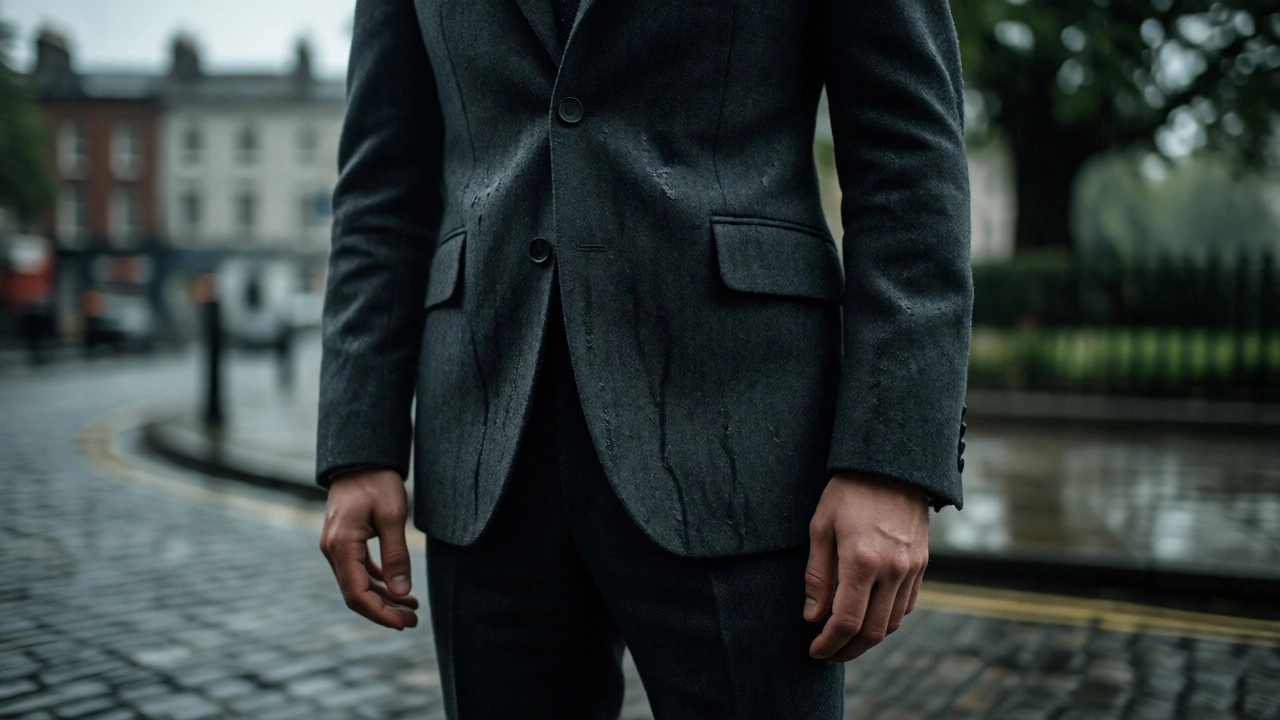
You know the drill. One minute you’re walking through St. Stephen’s Green in bright sun, the next you’re dodging rain near Grafton Street. This humidity is the enemy of your wardrobe. Wool, the primary material in quality suits, absorbs moisture from the air. If you hang a damp suit in a closet immediately after wearing it, you’re creating a breeding ground for mildew and odours.
In Ireland, we don’t have the extreme heat of Southern Europe, so sweat isn’t always the main culprit. It’s the ambient dampness and the smoke from pubs if you’ve been out socialising. Your suit needs time to breathe. Think of it like drying laundry on a line; it needs airflow. If you wear a suit two days in a row without letting it rest, the fibres never fully recover from the stress of being worn. The elbows stretch, the shoulders sag, and the smell sets in. Give each suit at least 48 hours of rest between wears. Rotate between two or three suits if your work requires daily formal wear. This rotation is standard practice among professionals in Cork and Belfast who want their investments to last.
Dry Cleaning vs. Steaming: What’s Better?
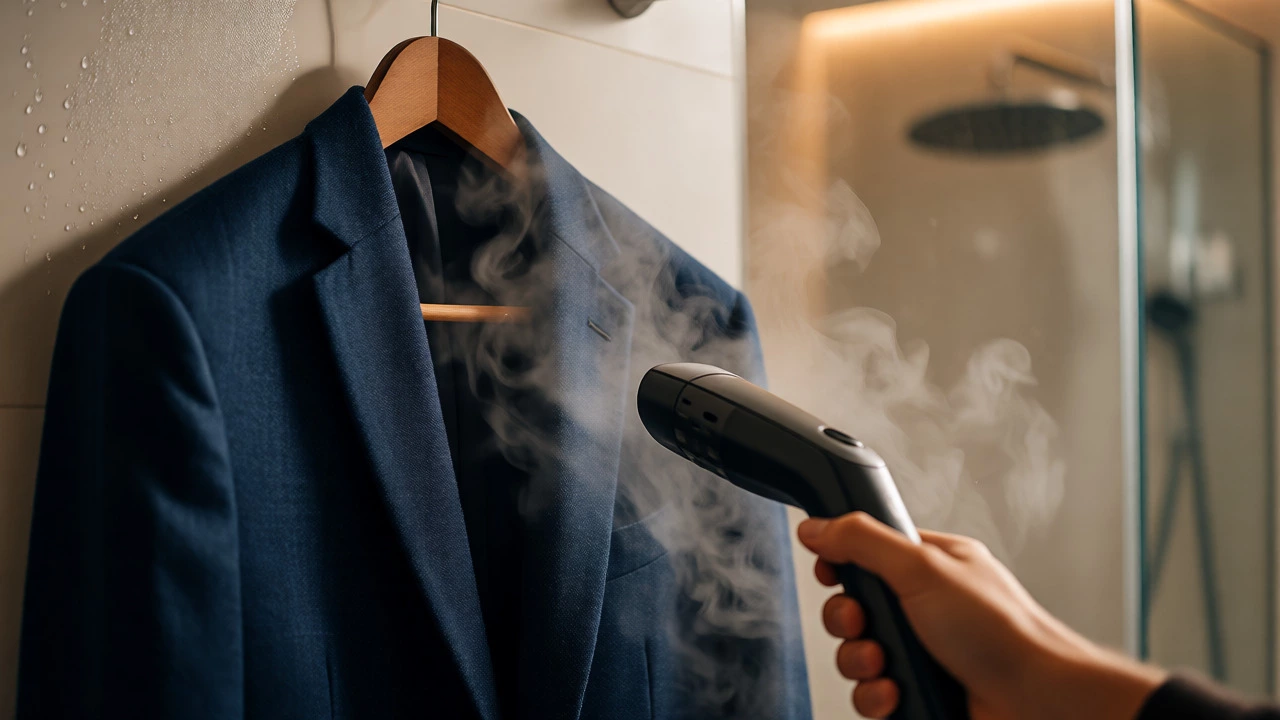
Many people confuse steaming with washing. They aren’t the same. Dry cleaning uses chemical solvents (usually perchloroethylene) to remove oils and stains. It’s harsh on natural fibres over time. Steaming, on the other hand, uses hot water vapour to relax wrinkles and kill surface bacteria.
For the average Irish office worker commuting via Luas or bus, steaming is your best friend. A handheld steamer costs about €30-€50 online or in Argos. Hang your suit in the bathroom while you shower-the steam from the hot water helps release creases. Just keep the suit away from direct water spray. This method refreshes the fabric without stripping its natural oils. Reserve dry cleaning for actual stains or end-of-season storage. If you live in an older apartment block in Limerick or Waterford with poor ventilation, investing in a proper steamer is more valuable than another bottle of fabric freshener.
| Method | Frequency | Best For | Risk Level |
|---|---|---|---|
| Air Drying | After every wear | Removing odours, resetting shape | Low |
| Steaming | Weekly or bi-weekly | Wrinkles, light freshness | Low |
| Bronzing/Brushing | Every 2-3 wears | Dust, lint, surface dirt | Very Low |
| Dry Cleaning | 1-2 times per year | Stains, deep cleaning | High (if overused) |
The Power of Brushing
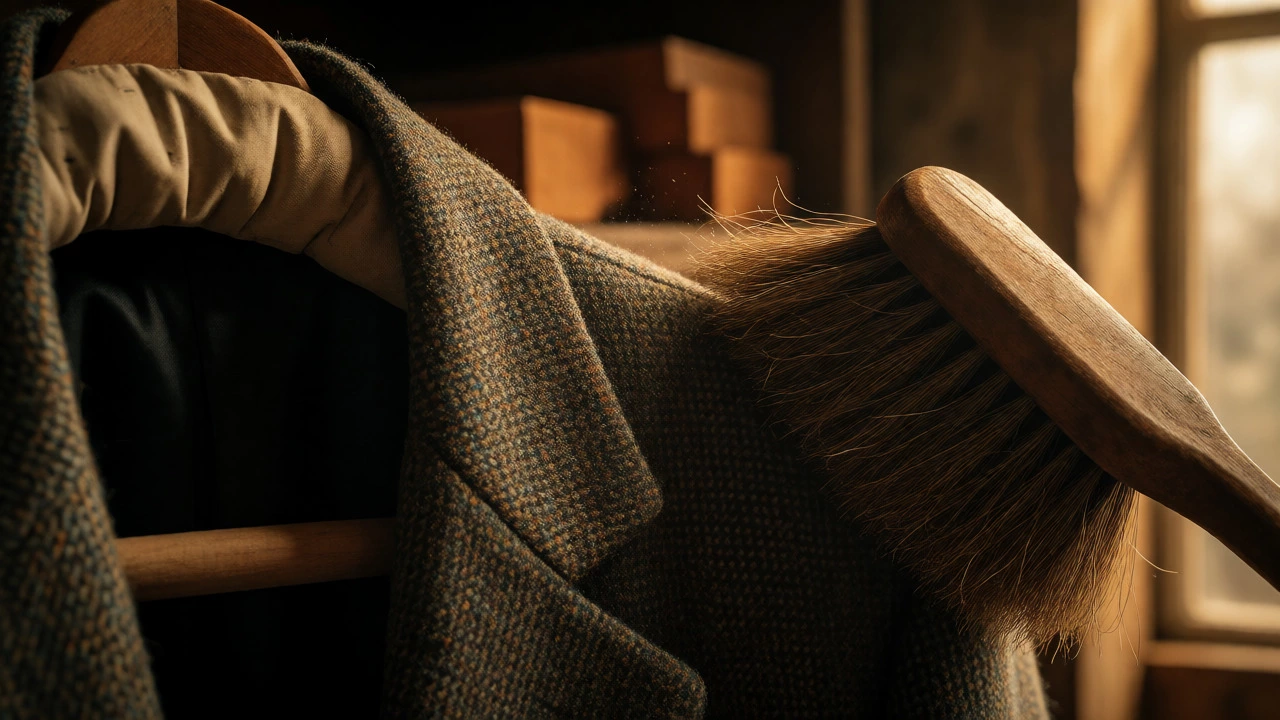
This step is skipped by 90% of men, but it’s arguably more important than dry cleaning. A horsehair brush removes dust and particulate matter that settles on the fabric during the day. In urban areas like Dublin or Cork, pollution and road grime cling to your lapels. If left unbrushed, these particles act like tiny abrasives, wearing down the wool fibres each time you move.
Buy a decent brush. Look for one with natural bristles. Synthetic brushes can generate static electricity, which attracts more dust. Spend ten minutes brushing your suit downwards, following the nap of the fabric, before you hang it up. Do this in the evening when you get home. It takes almost no effort but dramatically extends the life of your garment. Brands like Drake’s or local haberdasheries in Kilkenny often sell quality brushes that last decades. Treat this as part of your grooming routine, just like brushing your teeth.
Handling Spills and Stains Immediately
Accidents happen. Maybe you knock over a pint of Guinness at a networking event, or drop some curry sauce from a takeaway box. Here’s the golden rule: do not rub the stain. Rubbing pushes the liquid deeper into the weave and damages the fibres. Instead, blot gently with a clean, white cloth. White ensures no dye transfers onto your suit.
If the spill is oily, sprinkle a little cornflour or talcum powder on it immediately. Let it sit for an hour to absorb the grease, then brush it off. For water-based stains, use a damp cloth with a tiny drop of mild soap. Test any cleaner on an inconspicuous area first, like the inside hem. Never use household bleach or strong detergents on wool. If the stain persists, take it to a reputable dry cleaner. In cities like Galway or Belfast, many cleaners offer express services for urgent spots. Tell them exactly what spilled and how long ago. Their expertise matters more than your DIY attempt.
Storage Matters More Than You Think
Where you put your suit when you’re not wearing it affects how often you need to clean it. Wire hangers are terrible. They create those annoying shoulder bumps and distort the jacket’s structure. Invest in wooden or padded hangers. These support the natural curve of the shoulders and help the jacket retain its shape.
Avoid plastic bags for long-term storage. Plastic traps moisture, leading to yellowing and mould, especially in Ireland’s humid climate. Use breathable cotton garment bags instead. If you’re storing a suit for the summer months, make sure it’s completely dry and clean first. Moths love unworn clothes with even trace amounts of sweat or food residue. Cedar blocks or lavender sachets in your wardrobe can deter pests naturally. Many Irish households use cedar closets, a tradition that works surprisingly well against moth larvae.
When to Finally Send It to the Cleaners
So, when do you actually book that appointment? Look for visible signs. Are there dark patches under the arms? Is there a lingering smell that steaming didn’t fix? Did you attend a wedding where you danced hard and sweated? These are clear signals.
Also, consider the season. Before putting your winter tweed suit away for spring, give it a final clean. Dirt and oils set in over time and become harder to remove. Similarly, clean your linen or lightweight wool suit before storing it for autumn. In Ireland, seasonal transitions are distinct. Your wardrobe should reflect that. Don’t wait until you pull a suit out of the back of the cupboard and find it smells musty. Clean it, store it properly, and it’ll be ready for the next occasion without fuss.
Remember, your suit is an investment. Whether you bought it from a high-street retailer like Penneys or a bespoke tailor in London or Dublin, treating it right pays off. By minimizing dry cleaning and maximizing care, you save money and reduce environmental impact. Chemicals used in dry cleaning aren’t great for the planet, and less frequent trips mean less waste. Plus, a well-maintained suit looks better and fits better because the fabric hasn’t degraded.
Next time you’re tempted to toss your blazer in the wash basket after a rainy Tuesday commute, stop. Hang it up, let it air out, brush it down, and maybe give it a quick steam. Save the chemicals for real emergencies. Your wallet, your suit, and the Irish environment will thank you.
Can I wash my suit in a washing machine?
Generally, no. Most traditional wool suits will shrink, lose their shape, and felt together if washed in a machine. Some modern synthetic blends or 'washable' wool suits exist, but check the care label carefully. Even then, hand washing in cold water is safer than a machine cycle. Air dry flat to prevent distortion.
How much does dry cleaning cost in Ireland?
Prices vary by location. In Dublin city centre, expect to pay between €15 and €25 for a full suit. Suburban areas or towns like Sligo or Tralee might charge €10-€15. Always ask for a price list upfront. Some cleaners offer discounts for regular customers or bundle deals for multiple items.
Does freezing a suit kill odours?
This is a popular myth. Freezing may temporarily mask smells by numbing scent molecules, but it doesn’t kill bacteria or remove oils causing the odour. Once the suit thaws, the smell returns. Airing it out outside (if dry) or using a steamer is far more effective for refreshing garments.
What is the best way to remove cigarette smoke smell?
Hang the suit in a steamy bathroom for 15 minutes. Then, place it in a large plastic bin with an open container of baking soda for 24 hours. The baking soda absorbs the odour. Alternatively, use a commercial fabric deodoriser designed for wool, but avoid overspraying, which can leave residues.
Should I turn my suit inside out when hanging it?
No. Hanging a suit inside out can distort the lining and outer fabric alignment. Hang it normally on a sturdy wooden hanger. Ensure the buttons are undone to prevent pulling on the buttonholes. Leave space in your wardrobe for airflow around the garment.