Irish Down Jacket Fit Estimator
Select your scenario below to find the perfect balance between warmth retention and mobility.
Select your options and click the button to see your recommended fit.
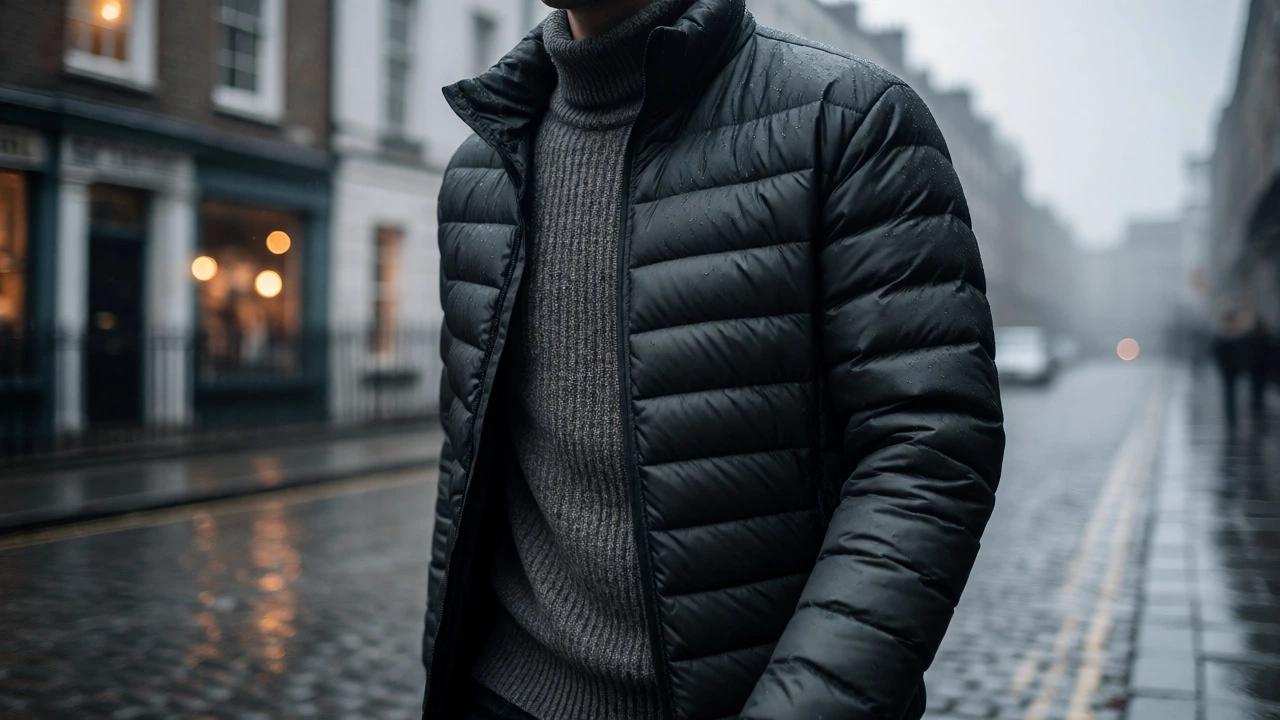
Walking out of your front door in Dublin on a damp November morning, you’re not just fighting cold air-you’re battling wind that cuts through the city and rain that seems to have no intention of stopping. This is where the debate over down jacket fit gets messy. Should it hug your body like a second skin, or should it billow out like a cloud? The answer isn’t about looking trendy; it’s about physics. In Ireland’s unique maritime climate, getting this wrong means either shivering because your clothes are wet from sweat, or freezing because the wind stole all your warmth.
The truth is, neither extreme is perfect for everyone. A too-tight jacket compresses the down feathers, killing their ability to trap heat. A too-loose jacket lets warm air escape as soon as you move. But there’s a sweet spot, and it depends entirely on what you’re doing-whether you’re hiking the Wicklow Mountains, commuting on the Luas, or standing in a queue at a pub in Galway.
The Physics of Warmth: Why Compression Kills Insulation
Think of a down jacket like a sleeping bag. The warmth doesn’t come from the fabric itself; it comes from the pockets of dead air trapped between the fluffy clusters of down feathers. When you wear a jacket that is too tight, you squash those clusters flat. Compressed down loses its loft, which is the technical term for how much space the feathers take up. Less loft equals less trapped air, which equals less warmth.
Imagine wearing a thin, tight compression shirt under a heavy coat. You’d feel cold despite the bulk. That’s what happens when you buy a size too small. The down is crushed against your ribs and shoulders, leaving little room for heat to accumulate. Conversely, if the jacket is way too big, you create large air gaps near your wrists and neck. Every time you lift your arm to check your phone or grab a coffee, hot air rushes out, and cold Irish wind rushes in. This is called the "bellows effect," and it’s why oversized fashion puffers often fail in real-world conditions compared to fitted outdoor gear.
Layering Logic for Irish Winters
Ireland’s weather is rarely dry cold. It’s wet, windy, and mild enough that you might strip off layers indoors but need them back outdoors ten minutes later. This volatility makes layering critical. Your down jacket is almost always the outermost layer (the shell) or the mid-layer under a waterproof raincoat. If you plan to wear a thick wool sweater underneath-a staple in any Irish wardrobe-you cannot buy a slim-fit down jacket. You’ll be bursting at the seams.
Here’s a practical rule of thumb used by hikers in the Ballyhoura Mountains: If you can zip the jacket comfortably while wearing your thickest intended base layer (like a merino wool jumper), the fit is correct. If you have to suck in your stomach to close the zipper, it’s too tight. If there’s more than two inches of empty space between your chest and the inner lining, it’s likely too loose for active use.
| Activity Type | Recommended Fit | Reasoning | Example Scenario |
|---|---|---|---|
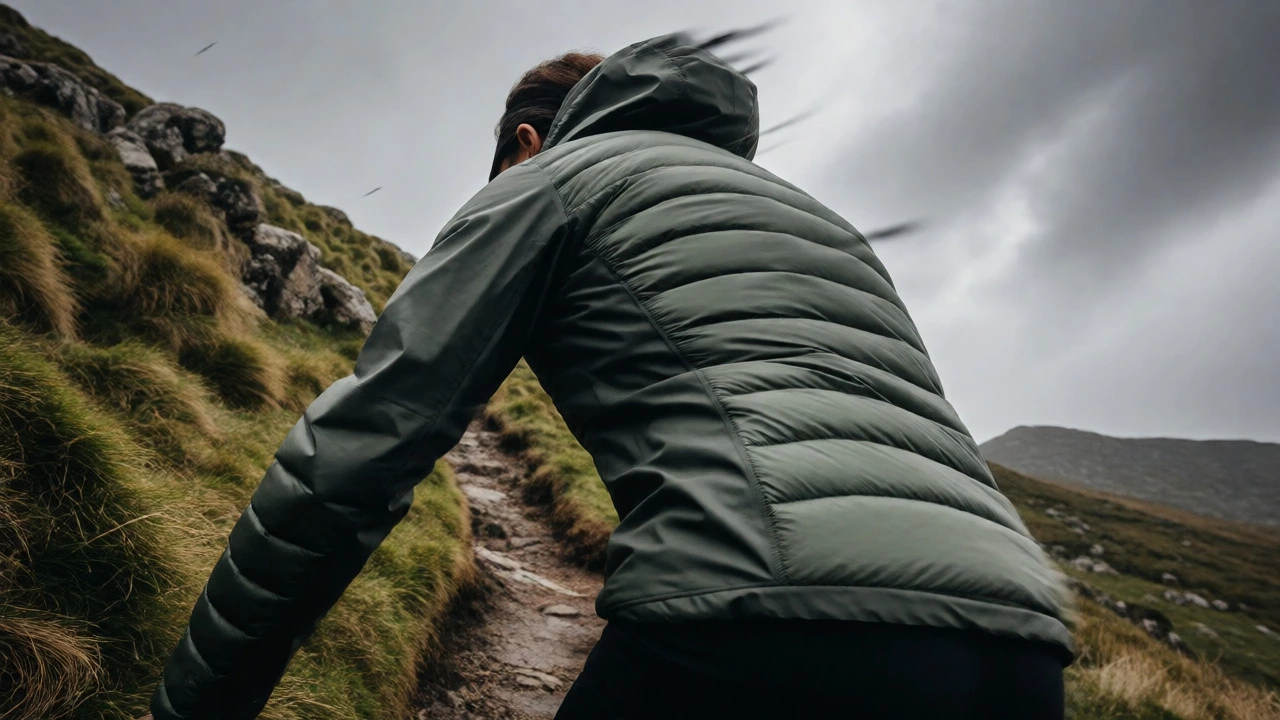
| High-Intensity Hiking | Slim-Fitted | Reduces wind drag and prevents snagging on branches; allows moisture wicking. | Climbing Croagh Patrick with a backpack. |
| City Commuting | Regular/Standard | Balances warmth retention with ease of movement; fits over office attire. | Waiting for the bus in Cork during rain. |
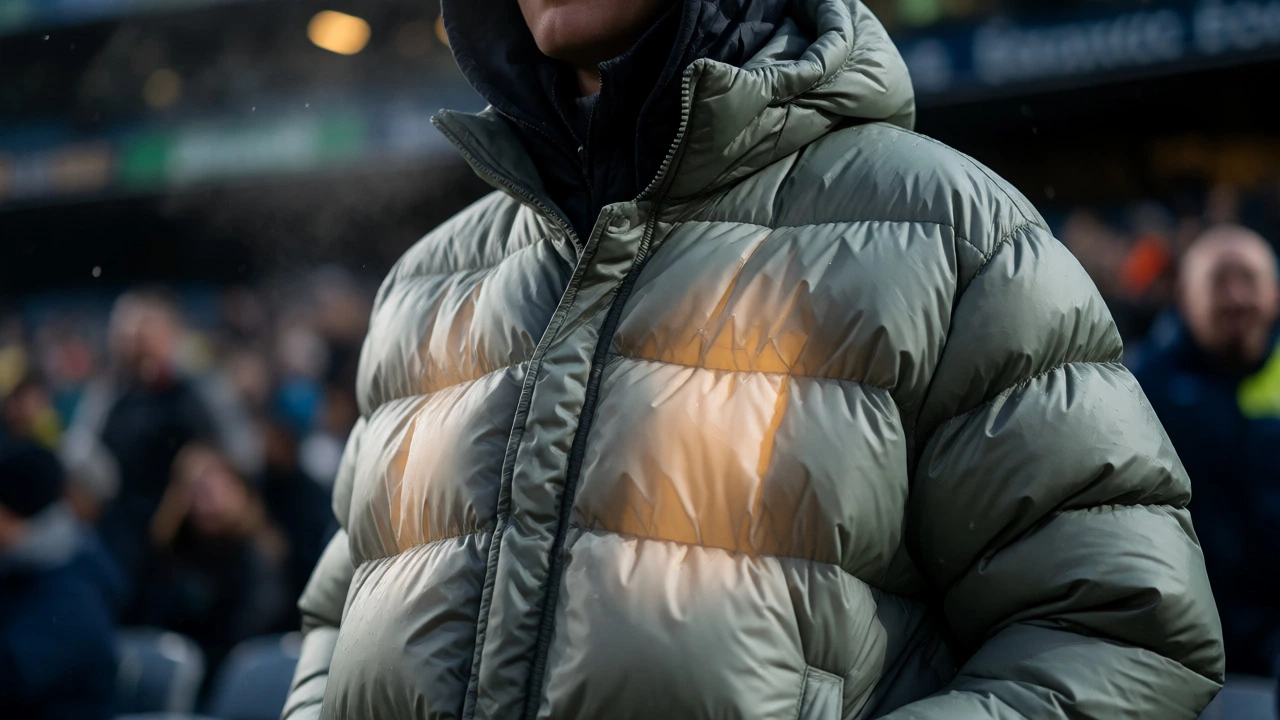
| Static Outdoor Events | Loose/Relaxed | Allows maximum loft and thick layering underneath without restriction. | Watching hurling match at Croke Park in January. |
Wind Resistance: The Hidden Factor in Coastal Ireland
If you live along the Wild Atlantic Way, from Donegal to Kerry, wind is your biggest enemy. Down jackets are naturally breathable, which is great for preventing sweat but terrible for blocking wind. A loose-fitting jacket acts like a sail. On a gusty day in County Clare, a billowing jacket will flap violently, sucking cold air inside every time the hem lifts. This rapidly strips away the warm air layer you’ve built up.
In these high-wind zones, a tighter fit is generally superior because it reduces surface area exposure to the wind. However, you must pair it with a proper windproof outer shell. Many Irish residents make the mistake of wearing a lightweight down puffer as their only outer layer. Unless it has a specific wind-blocking membrane (often labeled as 'Storm System' or similar proprietary tech), the wind will penetrate the fabric and cool the down directly. For coastal areas, prioritize a snug fit under a Gore-Tex or equivalent waterproof jacket rather than relying on the down alone to block the gale.
Moisture Management: Dealing with Irish Dampness
Down feathers lose their insulating power completely when they get wet. They clump together and become heavy. In Ireland, drizzle is constant. If your jacket is too tight, you’re more likely to sweat while walking briskly, especially if you’re wearing synthetic base layers. That internal sweat can soak into the down from the inside out. A slightly looser fit promotes better air circulation, helping to vent moisture before it condenses on your skin.
This is particularly relevant for people living in humid urban centers like Dublin or Limerick, where indoor heating contrasts sharply with outdoor dampness. You step out of a heated train station into the chill. If your jacket is too tight, the sudden temperature change combined with physical exertion causes rapid perspiration. A regular fit allows for micro-movements that help ventilate the garment, keeping the down dry and fluffy. Remember, dry down is warm down. Wet down is just cold padding.
How to Test the Fit Before You Buy
Don’t just try it on in the shop aisle. Simulate real life. Most stores in Grafton Street or Henry Street allow returns within 30 days, so use that window wisely. Here is a checklist to perform at home:
- The Arm Raise Test: Lift both arms straight up. Does the jacket ride up significantly, exposing your lower back? If yes, it’s too short or too tight. Cold air hitting your kidneys is a quick way to lose core temperature.
- The Shoulder Shrug: Move your shoulders forward and back. Do you feel pulling across the upper back? This indicates the shoulder seams are too narrow, restricting blood flow and comfort.
- The Layer Check: Wear your thickest winter sweater. Zip the jacket. Can you still cross your arms comfortably? If you feel restricted breathing, go up a size.
- The Hem Seal: Bend forward at the waist. Does the bottom hem gap open widely? If cold air floods in, the cut isn’t right for you, regardless of whether it’s tight or loose. Look for adjustable drawcords at the hem to fix this.
Brand Specifics and Local Availability
When shopping in Ireland, you’ll encounter global giants like The North Face, Patagonia, and Columbia, alongside European specialists like Rab or Jack Wolfskin. Each brand has a different "fit philosophy." For instance, some American brands tend to run larger and boxier, which might suit a relaxed Irish style but could be inefficient for wind resistance. European cuts are often slimmer and longer in the torso, catering to different body proportions.
Local retailers like Brown Thomas or independent outdoor shops in towns like Killarney often stock brands specifically tested for UK and Irish conditions. Ask staff about "hydrophobic down" treatments. These coatings repel water, making the jacket more forgiving if you do get caught in a shower. While this doesn’t change the fit advice, it changes how strictly you need to protect the down from moisture, allowing for slightly more flexibility in how tightly you wear it without fearing immediate saturation.
Common Mistakes Irish Buyers Make
One frequent error is buying based solely on aesthetics. Fashion-forward puffers are often designed with excessive volume to look dramatic. While stylish, this excess fabric traps cold air that your body has to work hard to heat. Another mistake is ignoring the hood. In Ireland, a hood is non-negotiable. If the hood is too tight, it restricts head movement and feels claustrophobic. If it’s too loose, it flaps in the wind and fails to shield your face. Ensure the hood fits over your head without pulling the main collar down your back.
Also, consider your commute. If you drive most of the time, a looser fit is fine because you’re static. If you walk or cycle, a tighter, aerodynamic fit saves energy and keeps you warmer. Be honest about your daily routine. There is no shame in owning two jackets: a fitted one for active days and a cozier, looser one for weekend leisure.
Is it okay to wear a down jacket in the rain?
Generally, no, unless it has a durable water-repellent (DWR) finish or is made with hydrophobic down. Standard down absorbs water quickly, losing insulation and becoming heavy. In Ireland's frequent drizzle, it is best to wear a waterproof shell over your down jacket or choose a model specifically designed for wet weather.
Should I size up for a down jacket?
You should size up only if you plan to wear thick sweaters underneath. If you intend to wear the jacket as an outer layer over light clothing, stick to your normal size. Too much extra space reduces thermal efficiency by allowing warm air to escape, which is counterproductive in cold, windy conditions.
Why does my down jacket feel cold even though it's new?
This is usually due to compression during storage or shipping. New down jackets often arrive compressed in plastic bags. To restore loft, hang the jacket up and gently shake it, or tumble dry it on low heat with tennis balls for 15-20 minutes. This fluffs the feathers back up, restoring their insulating air pockets.
Can I wash a down jacket at home?
Yes, but carefully. Use a front-loading washing machine (no agitator) on a gentle cycle with a specialized down cleaner. Never use standard detergent as it strips natural oils from the feathers. Dry thoroughly on low heat with dryer balls to prevent clumping. Improper drying can leave damp spots that smell and lose warmth.
What fill power matters for Irish winters?
Fill power measures loft quality. For typical Irish winters (mild but wet/windy), 600-700 fill power is sufficient and cost-effective. Higher fill powers (800+) are lighter and warmer but more expensive and fragile. Given the damp conditions, durability and water resistance often matter more than extreme warmth ratings.