Leather Shoe Longevity Estimator
Enter your details below to see how long your current pair of leather shoes might last in Ireland's damp climate.
Your Shoe's Future
Financial Analysis
Cost Per Year:
€--
Resole Potential:
--
Irish Climate Advice
Care Recommendations for Your Profile:
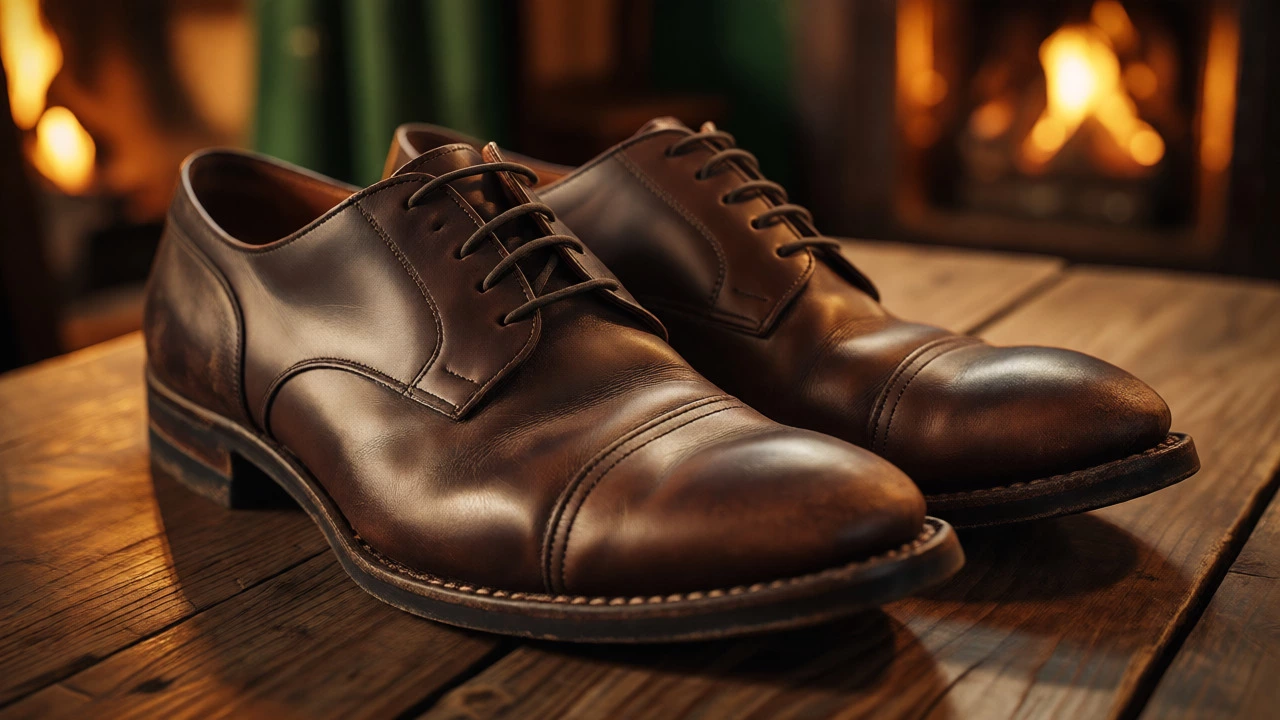
You walk into a pub in Galway on a wet Friday evening, and you notice the old gentleman by the fire. His leather shoes aren't shiny new. They're scuffed, creased, and have a deep, rich colour that only comes from years of wear. They look better than the brand-new pairs sitting in window displays on Shop Street. This isn't an accident. It's chemistry and craftsmanship working together.
The question isn't really whether leather ages well. It does. The real question is: will yours survive the damp, peat-stained winters of Ireland while looking distinguished rather than distressed? In this guide, we'll break down why some boots turn into heirlooms while others end up in the bin after one rainy season in Dublin.
Why Leather Actually Gets Better With Time
Think of high-quality leather like a fine whiskey or a good loaf of bread. It changes. But it doesn't just degrade; it evolves. This process is called developing a patina. Unlike synthetic materials that crack and peel when they get old, genuine hide has a fibrous structure that compresses and oils migrate to the surface over time.
When you wear a pair of full-grain leather oxfords, the natural oils in your skin and the environment seep into the pores. Sunlight (even the weak Irish sun) oxidises the tannins. The result? The leather darkens slightly in areas where it bends and lightens where it stretches. You get a map of your life written on your feet. That crease across the toe box? That's from walking to work in Cork. The scuff on the heel? Maybe a run-in with a kerb in Belfast.
This aging process relies entirely on the quality of the hide. If you buy cheap "genuine leather"-which is often just leftover scraps glued together-you won't get patina. You'll get peeling. To get that beautiful aged look, you need full-grain or top-grain leather. These types retain their natural grain layer, which is tough enough to handle abuse but porous enough to accept conditioners and polish.
The Irish Climate Challenge: Dampness vs. Dryness
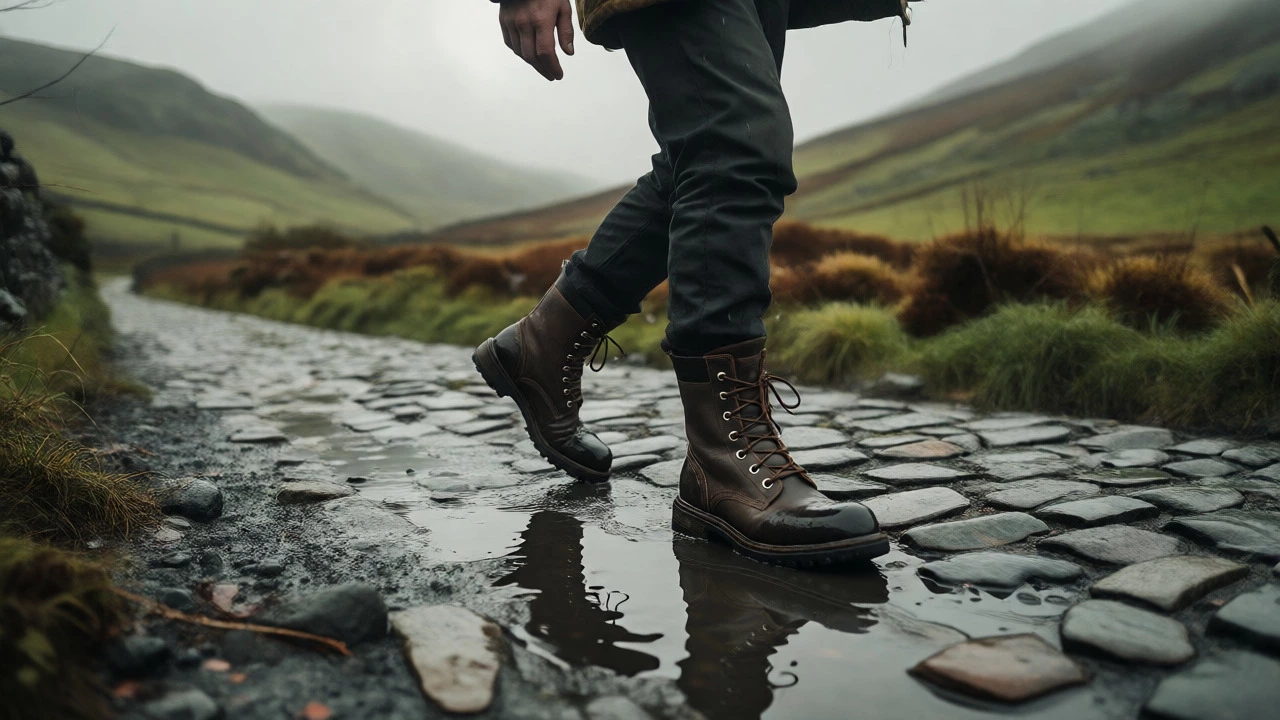
Here’s the thing about living in Ireland: our weather is relentless on footwear. We don’t have extreme heat that dries out leather too fast, but we do have persistent humidity and rain. Moisture is the enemy of unprepared leather. When water gets into the fibres, it swells them. When it dries, those fibres shrink. Do this repeatedly without proper care, and the leather becomes brittle. It cracks. Once it cracks, no amount of polish can fix it.
However, there’s a silver lining. Our mild temperatures mean leather doesn’t suffer from thermal shock as much as it would in hotter climates. The key is management. You cannot let your shoes dry next to a radiator. I’ve seen people in Limerick put wet boots directly on a heater to speed up drying. Big mistake. The intense, direct heat boils the moisture inside the leather, causing the fibres to snap. Always air-dry your shoes at room temperature, stuffed with newspaper to absorb moisture and maintain shape.
Construction Matters More Than Brand Name
Not all leather shoes are built to last ten years. Some are built to last two seasons. The difference lies in how the sole attaches to the upper. If you want shoes that age well, you need to understand construction methods.
| Construction Type | Lifespan Potential | Resoleability | Best For |
|---|---|---|---|
| Goodyear Welted | 10+ Years | Yes, multiple times | Daily wear, formal shoes |
| Cemented | 2-3 Years | Rarely possible | Budget casual shoes |
| Blake Stitch | 5-7 Years | Yes, but harder | Slimmer profiles, dressier boots |
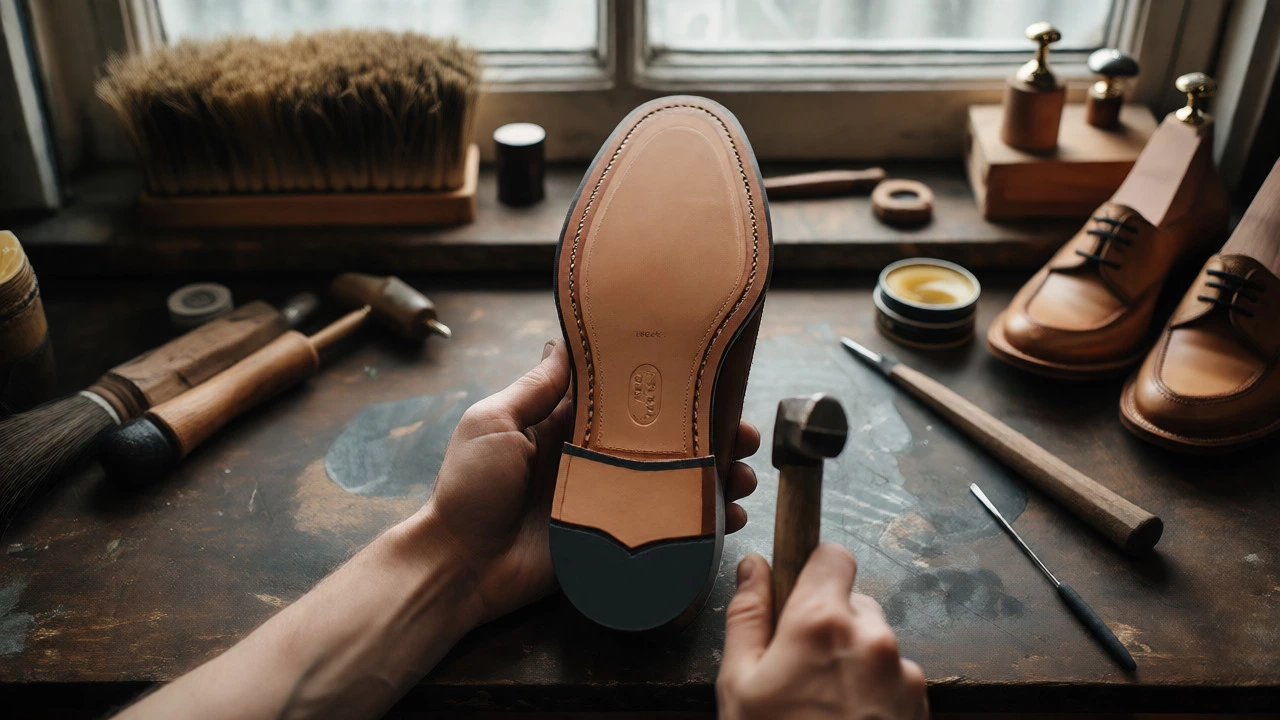
A Goodyear welt is the gold standard. It involves stitching a strip of leather (the welt) to the upper and the insole, then stitching the outsole to the welt. This creates a waterproof barrier and allows a cobbler to replace the worn-out sole without touching the upper. In cities like Dublin and Cork, finding a skilled cobbler who can resole Goodyear-welted shoes is easier than you think. Places like O’Donoghue’s Cobblers in various towns still thrive because people realise repairing is cheaper than replacing.
Cemented shoes, on the other hand, are glued. Glue fails. Water gets under the glue line, the sole separates, and the shoe is dead. If you’re buying leather shoes for daily commuting in Galway traffic or walking through Connemara mud, avoid cemented soles if you want longevity.
Essential Care Routine for Irish Winters
You don’t need to be a professional shoeshiner. You just need consistency. Here’s a simple routine that works for the average person dealing with Irish rain:
- Use Shoe Trees: Insert cedar shoe trees immediately after taking off your shoes. Cedar absorbs moisture and keeps the shape. Without them, creases become permanent cracks.
- Clean Regularly: Use a horsehair brush to remove dirt and salt stains. Salt from road grit is particularly bad in winter. If left on leather, it draws out moisture and causes white crusty marks.
- Condition Every Month: Apply a neutral cream conditioner. This replenishes the oils lost to wind and rain. Don’t use wax-based polishes for conditioning; they seal the surface but don’t penetrate deeply.
- Polish for Protection: Once conditioned, apply a thin layer of wax polish. This adds shine and a protective barrier against water. Focus on the toes and heels where impact happens.
- Rotate Your Pairs: Never wear the same pair two days in a row. Leather needs 24 hours to dry out completely from the sweat of your foot. Buy two pairs and alternate them.
Buying Local: Where to Find Quality in Ireland
Ireland has a long history of leather crafting, though much of it has moved offshore. However, local brands still prioritise durability. When shopping in the Irish market, look for makers who source hides responsibly. Brands like Loake (widely available here) offer entry-level Goodyear welted options. For higher-end investments, consider retailers in Dublin’s George’s Arcade or independent boutiques in Galway that stock European makers known for robust leathers.
Also, check out vintage markets. The flea markets in Dublin and the vintage shops in Cork often carry pre-loved British-made boots from the 1980s and 90s. These were made during an era when manufacturing standards were stricter. A pair of vintage Red Wing Iron Rangers or Trickers country boots found second-hand might already have five years of wear, meaning they’re broken in and ready for another decade.
Common Myths About Aging Leather
Let’s clear up some nonsense you might hear in pubs or read online.
- Myth: Waterproofing spray lasts forever. False. Sprays wear off. Reapply them every few weeks if you’re walking in rain regularly.
- Myth: Black polish fixes scuffs. Not really. Polish covers scratches cosmetically but doesn’t heal the leather. Deep cuts need filler or professional repair.
- Myth: Suede can’t age well. Wrong. Suede develops a soft, brushed texture over time. It requires different care (use a suede brush and eraser), but it ages beautifully if kept clean.
Aging leather isn’t just about aesthetics; it’s about value retention. A well-maintained pair of $300 Goodyear welted boots can last fifteen years. A $100 pair of glued sneakers might last two. Over time, the expensive option wins financially, especially when you factor in the cost of replacements.
Troubleshooting Common Damage
Even with care, accidents happen. Here’s how to handle common issues specific to our environment:
Salt Stains: Mix equal parts water and white vinegar. Dab onto the stain with a cloth. Let it dry naturally, then brush. Vinegar neutralises the alkaline salt.
Mould Spots: If you store shoes in a damp cupboard (common in older Irish homes), mould can appear. Wipe with a cloth dampened with rubbing alcohol. Ensure the storage area is ventilated.
Wet Soles: If the sole separates slightly due to water exposure, take them to a cobbler immediately. Early intervention saves the shoe. Don’t try to superglue it yourself; it rarely holds.
Can I wear leather shoes in heavy Irish rain?
Yes, provided they are properly conditioned and constructed with a storm welt or rubber sole. Avoid wearing smooth-soled dress shoes in torrential rain, as they become slippery and absorb water quickly. Opt for brogues or boots with thicker soles for wet days.
How often should I condition my leather shoes?
In Ireland’s damp climate, aim for once a month during autumn and winter, and every six to eight weeks in spring and summer. If the leather looks dull or feels dry to the touch, it needs conditioning regardless of the schedule.
Is it worth resoling expensive shoes?
Absolutely. Resoling costs between €40 and €80 depending on the cobbler and sole type. This is significantly less than buying new premium shoes. As long as the upper leather is intact, resoling extends the life of the shoe by several more years.
What is the best leather type for beginners?
Full-grain calfskin is a great starting point. It’s softer than cowhide, making it more comfortable initially, but durable enough to develop a nice patina. Avoid patent leather if you want easy maintenance, as it shows scratches easily.
Do shoe trees really make a difference?
Yes, cedar shoe trees are essential. They absorb internal moisture from sweat, preventing bacterial growth and odour. They also stretch the leather back into its original shape, reducing deep creases that lead to cracking.