Irish Gen Z Denim Style Matcher
Curious about whether skinny jeans still have a place in your wardrobe? Or are you ready to switch to the wider cuts dominating Grafton Street? Answer these three questions to find your ideal denim match.
Result
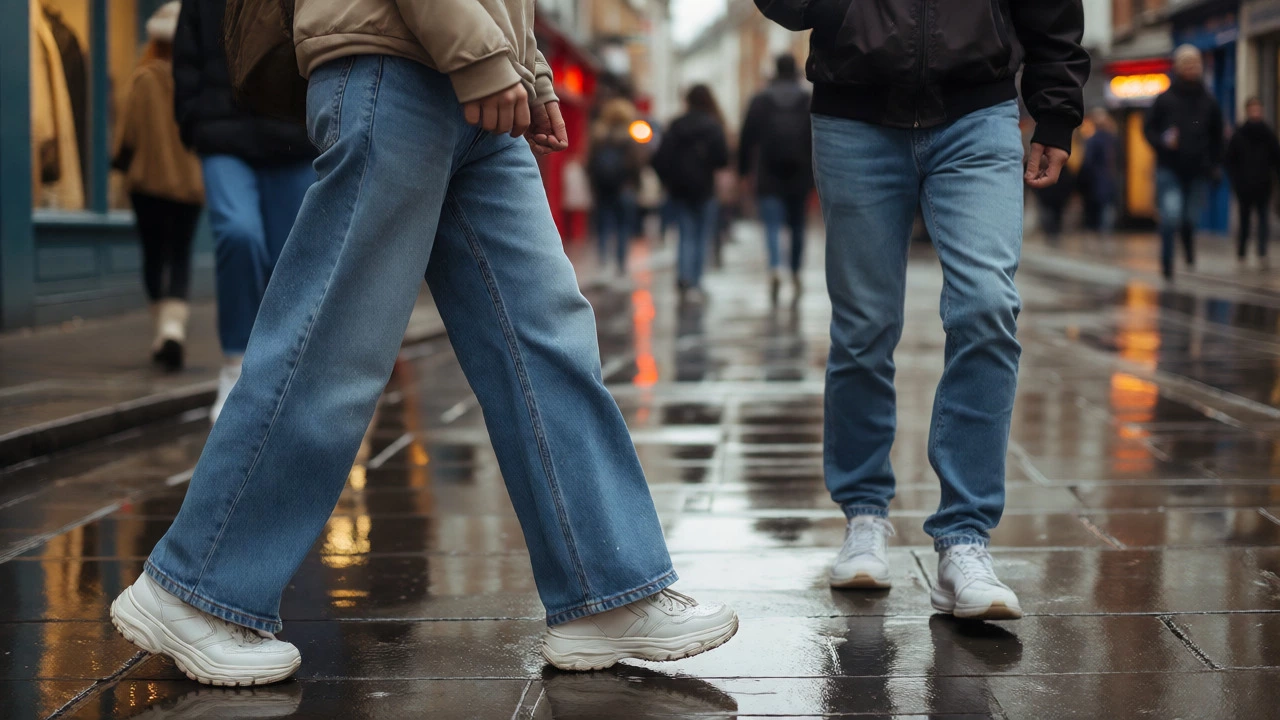
Walk through Grafton Street on a rainy Tuesday afternoon and you’ll spot a shift. Ten years ago, the pavement was a sea of ankle-grazing denim. Today, while skinny jeans haven’t vanished from Irish wardrobes, they’ve been quietly pushed to the sidelines by wider cuts, cargo pockets, and vintage flares. If you’re wondering whether Gen Z in Ireland still wears skinny jeans, the short answer is: yes, but rarely as their default choice. The trend has fractured into niche aesthetics rather than dominating the mainstream like it did for Millennials.
This isn’t just about comfort-though let’s be honest, trying to bend your knees in tight denim while waiting for a Luas tram in Dublin city centre is no fun. It’s about identity. For young people in Cork, Galway, or Belfast, clothing choices signal community affiliation. Wearing skinny jeans now often means you’re either leaning into a specific subculture, thrift-flipping a Y2K revival piece, or simply sticking with what fits because you hate shopping. Let’s break down who is actually wearing them, where you can find them, and why the silhouette changed.
The Death of the Default Fit
For nearly two decades, skinny jeans were the uniform of youth culture globally, including here in Ireland. From school uniforms in secondary schools across Leinster to night out outfits in Temple Bar, the slim fit was non-negotiable. But around 2021, the pendulum swung hard toward baggy. TikTok algorithms, heavily influencing Irish teens and early twenty-somethings, began favoring oversized silhouettes. Suddenly, the '90s grunge look of loose-fitting Levi’s became aspirational again.
In Ireland, this shift coincided with a broader move away from fast fashion’s rigid sizing. Many Gen Z shoppers in Dublin and Limerick started prioritizing versatility over trend adherence. A pair of straight-leg or bootcut jeans works better with chunky sneakers (like New Balance 530s or Nike Dunks) than skinny jeans do. Since footwear trends have also moved toward bulkier soles, the visual balance requires more room at the ankle. Skinny jeans bunch up awkwardly under these shoes, whereas wider legs drape naturally.
| Fit Type | Popularity Trend | Primary Use Case | Common Pairings |
|---|---|---|---|
| Skinny Jeans | Declining / Niche | Vintage aesthetic, layering under long coats | Ankle boots, turtlenecks |
| Wide Leg | Rising Fast | Daily wear, office casual, nights out | Loafers, crop tops, blazers |
| Straight Leg | Stable / High | Versatile everyday staple | Sneakers, hoodies, tees |
| Cargo/Utility | High | Streetwear, outdoor festivals | Combat boots, graphic tees |
Who Is Still Buying Skinny Jeans?
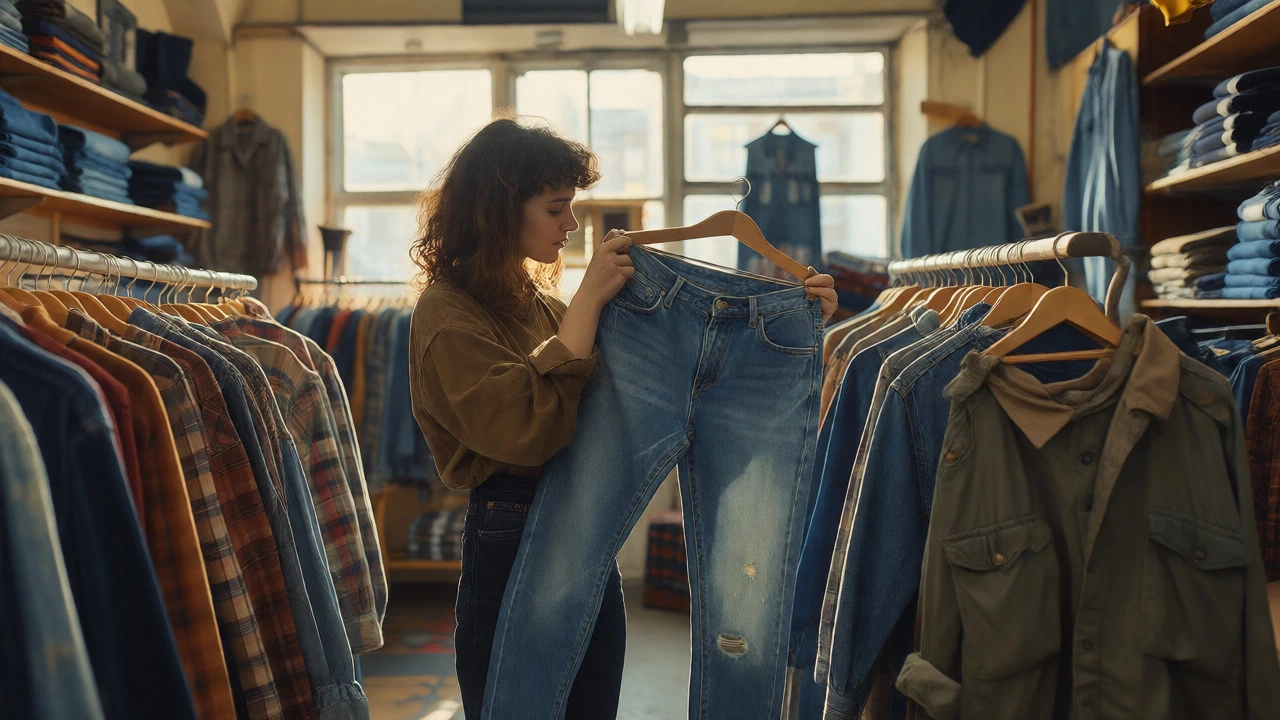
Don’t write off skinny jeans entirely. They have found a new home among specific groups within the Irish Gen Z demographic. First, there are the vintage hunters. Thrift stores like Goodbody’s in Dublin or the charity shops along Parnell Street are treasure troves for authentic Y2K denim. These aren’t the stiff, low-rise pairs from 2010; they’re often high-waisted, slightly distressed, and made from heavier cotton blends that hold their shape. Young fashion enthusiasts buy these not because they want to look "normal," but because they want to curate a specific retro look.
Second, there’s the practical crowd. In rural areas outside major cities like Waterford or Sligo, many young people work in hospitality or retail. Uniform requirements sometimes dictate dark, slim-fit trousers. While chinos are common, black skinny jeans offer a cheaper, more durable alternative that passes dress code checks. Here, functionality trumps fashion cycles. If you’re working shifts at a pub in Kilkenny, you need pants that survive a wash cycle and don’t snag on bar stools. Skinny jeans, despite their reputation for discomfort, are surprisingly resilient if bought from brands like H&M or Primark, which dominate the high street.
The Rise of Wide-Leg and Straight Cuts
If skinny jeans are fading, what’s replacing them? In Ireland’s unpredictable weather, wide-leg jeans have become a surprising favorite. Why? Because they allow for thermal layers underneath without looking bulky. You can slip a thin merino wool base layer or even thick socks into the hem during those wet November winds coming off the Atlantic, and nobody knows. This practicality appeals to students at Trinity College Dublin or University College Cork, who need to transition from lecture halls to bus stops quickly.
Straight-leg jeans remain the quiet winner. They bridge the gap between the restrictive past and the voluminous present. Brands like Levi’s and Uniqlo have seen steady sales of their 501-style cuts in Irish markets. These jeans fit well with the current sneaker culture prevalent in cities like Belfast and Derry. They don’t cling, they don’t pool excessively, and they age gracefully. For many Irish Gen Zers, the straight leg represents a compromise: it looks modern enough for Instagram but comfortable enough for walking around Dublin’s cobblestones.
Where to Shop for Denim in Ireland
Your location dictates your options. In Dublin, you have access to flagship stores for global brands, but the real action is in the independent boutiques and second-hand markets. Places like The Vintage Factory in Smithfield or online platforms like Depop (which has a massive user base in Ireland) are where you find unique fits. If you’re hunting for a specific skinny jean cut, you might spend hours scrolling through local listings rather than browsing a physical rack.
Outside the capital, high street retailers carry the bulk of inventory. Penneys (Primark) remains the go-to for budget-conscious shoppers in towns like Naas or Drogheda. Their denim section reflects national trends closely; if wide-leg jeans are flying off shelves in London, they’ll appear in Penneys within weeks. However, for higher-quality sustainable options, Irish consumers are increasingly turning to European brands available via ASOS or Zalando, which ship reliably to Ireland. Note that customs post-Brexit can add friction, so checking VAT-inclusive pricing is crucial when ordering from mainland Europe.
- Dublin: Visit Brown Thomas for premium brands, or explore the vintage scene in Phibsborough.
- Cork: Check out the independent designers on Oliver Plunkett Street for locally tailored fits.
- Belfast: Victoria Square offers a mix of high street and mid-range options, with strong availability of American brands like Wrangler.
- Online: Depop and Vinted are essential tools for finding discontinued fits like super-skinny or flare.

The Sustainability Factor
Ireland’s push toward sustainability impacts denim choices significantly. Gen Z consumers are acutely aware of water usage in denim production. Buying fewer, higher-quality items is becoming a status symbol. This mindset favors classic cuts like straight or wide-leg jeans, which don’t go out of style every six months. Skinny jeans, associated with fast fashion churn, face scrutiny. However, buying second-hand mitigates this guilt. A pre-loved pair of skinny jeans from a charity shop in Galway has zero new environmental cost compared to a new pair bought online.
Furthermore, repair culture is growing. Tailors in smaller towns report more requests for taking in waists or hemming wide legs, rather than stretching tight jeans. This indicates a shift in how garments are valued. Instead of discarding ill-fitting skinny jeans, some Gen Zers are altering them to fit current preferences, effectively customizing old stock into new styles.
Verdict: Should You Buy Skinny Jeans in 2026?
If you’re over 25, you might feel pressure to abandon skinny jeans entirely. Don’t. Fashion is cyclical, and personal comfort matters more than trend policing. However, if you’re dressing to blend in with the average Gen Z crowd in an Irish city center, opt for a relaxed fit. It signals awareness of current norms without requiring effort. If you love the silhouette, lean into styling tricks: pair them with oversized shirts or long cardigans to balance the proportion.
Ultimately, the question isn't really about the garment itself. It's about signaling belonging. In Ireland, where community ties are strong, clothing acts as a subtle badge. Wearing skinny jeans might mark you as someone who values consistency over novelty, or perhaps someone who hasn't checked TikTok in three years. Neither is bad. Just know that the tide has turned, and the ankles are breathing easier.
Are skinny jeans out of style in Ireland for 2026?
They are no longer the dominant trend, having been largely replaced by wide-leg, straight, and baggy cuts. However, they remain popular in vintage contexts and for specific uniform requirements, particularly among those who prioritize function over current fashion cycles.
What jeans do Irish Gen Z prefer over skinny jeans?
Wide-leg and straight-leg jeans are currently the most popular choices. These cuts pair well with chunky sneakers and accommodate layering, which is practical for Ireland's variable weather conditions.
Where can I buy affordable jeans in Ireland?
Penneys (Primark) is the most widespread option for budget-friendly denim. For second-hand finds, platforms like Depop and Vinted are highly active in Ireland, alongside local charity shops in urban centers like Dublin and Cork.
Do skinny jeans work with Irish weather?
Not ideally. Tight hems make it difficult to wear warm socks or thermal leggings underneath, which is common practice during cold, wet winters. Wider legs offer more flexibility for insulation without sacrificing style.
Is sustainable denim important to Irish shoppers?
Yes, especially among Gen Z. There is a growing preference for buying second-hand or investing in durable, timeless cuts rather than following fast-fashion micro-trends that lead to quick disposal.