Summer Wardrobe Optimizer
It is June 20, 2026, and if you are reading this from Galway, you might be enjoying a rare sunny day. But for most of the world, summer is officially here, bringing with it sticky humidity, blinding sun, and the eternal struggle of looking good without melting into a puddle on the pavement. We have all been there: wearing that cute outfit you bought in spring, only to realize an hour later that your back is soaked in sweat and you feel like you are wrapped in plastic wrap. The solution isn't just buying less; it is buying right.
Finding the right **summer clothes** is about balancing aesthetics with physics. You need garments that allow air to circulate, moisture to escape, and skin to breathe. While trends come and go, the fundamental rules of staying cool remain constant. It is not enough to simply wear light colors; the fabric weight, weave, and cut matter just as much. If you want to navigate the season comfortably, you need a capsule wardrobe built around five specific types of clothing that prioritize breathability and function over fast fashion gimmicks.
1. The Linen Button-Down Shirt
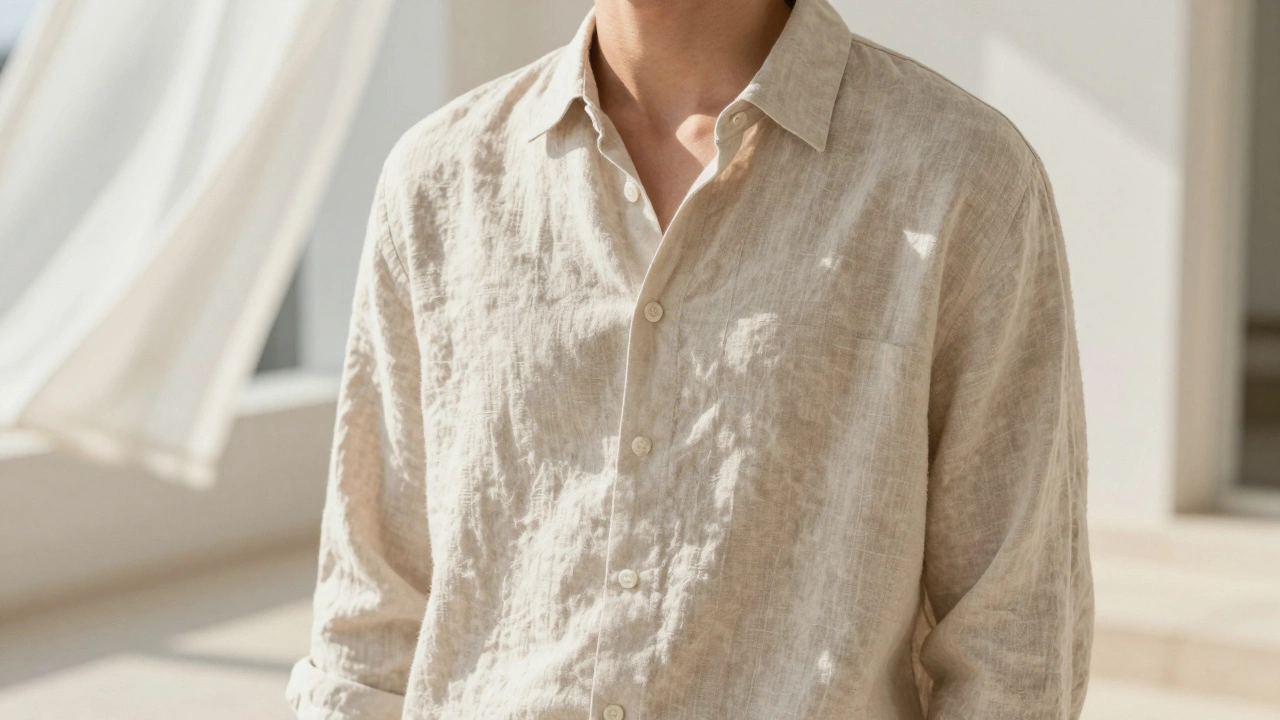
If there is one garment that deserves a place of honor in every summer wardrobe, it is the linen button-down. Cotton is great, but linen is superior for high heat. This natural fiber comes from the flax plant and has a unique structure that allows for exceptional airflow. Unlike synthetic blends that trap body heat, linen wicks moisture away from your skin almost instantly. It also dries quickly, which is a lifesaver if you catch a sudden summer shower or spill a drink at lunch.
The key to styling linen is embracing its texture. Linen wrinkles easily, and that is part of its charm. It signals a relaxed, effortless vibe that fits perfectly with the slower pace of summer days. Look for loose-fitting cuts rather than tailored silhouettes. A boxy fit creates space between the fabric and your body, allowing a breeze to pass through. Pair it with shorts or tucked into wide-leg trousers for a look that works equally well for a casual brunch or a beachside dinner. Stick to natural tones like white, beige, or soft blue, which reflect sunlight rather than absorbing it.
2. Wide-Leg Linen or Cotton Pants
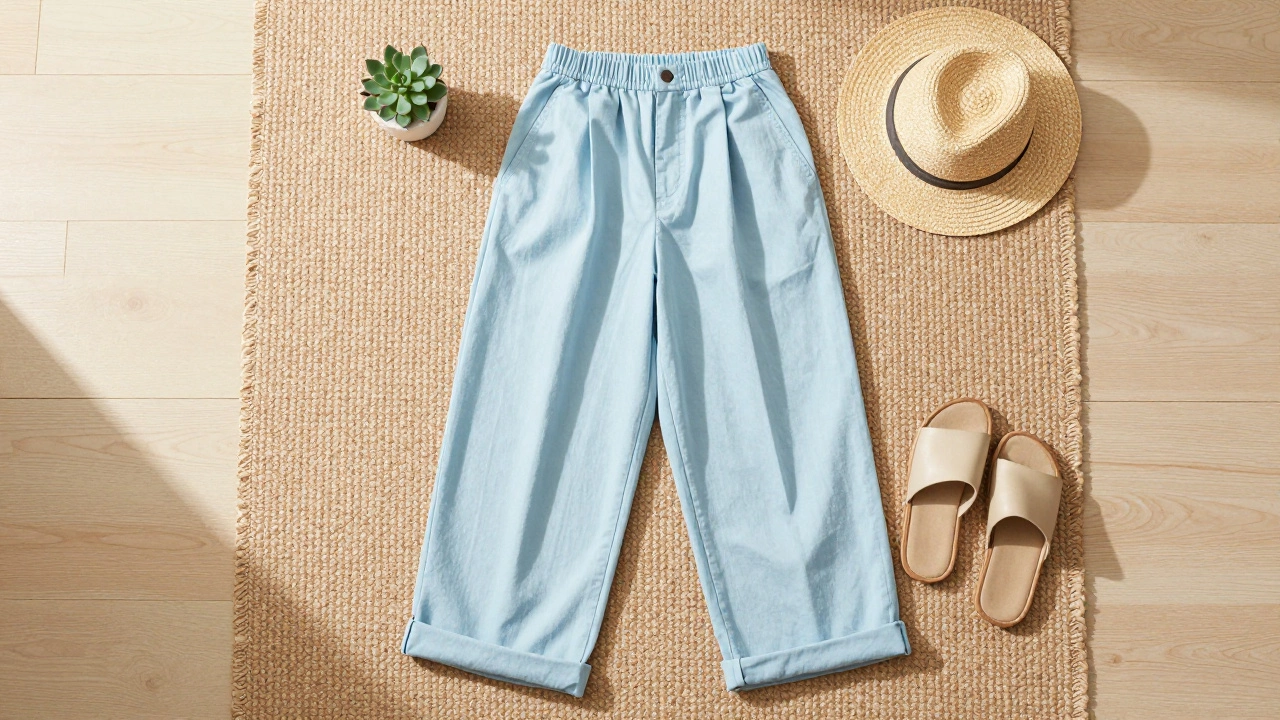
Say goodbye to skinny jeans. In temperatures above 25°C (77°F), tight denim feels like a punishment. Wide-leg pants offer the perfect alternative, providing coverage from the sun while maintaining maximum ventilation. The secret lies in the silhouette. When the legs of your pants are wide, air can flow up and down the shaft of the leg, creating a natural cooling effect. This is especially important if you are walking around in urban environments where concrete radiates heat.
Material choice is critical here. Heavy cotton twill will still make you hot. Opt for lightweight linen, seersucker, or thin cotton poplin. These fabrics drape beautifully without clinging to your legs. High-waisted styles help keep the outfit secure and polished, while cropped lengths prevent the hems from dragging in dust or sand. You can roll the cuffs slightly for a more casual look. These pants are versatile enough to transition from a work-from-home setup to a weekend market run without requiring a full change.
3. Breathable Summer Dresses
Dresses are often considered the ultimate summer staple, but not all dresses are created equal. A heavy satin gown or a polyester mini-dress will leave you uncomfortable within minutes. The ideal summer dress prioritizes loose construction and natural fibers. Think slip dresses made from silk or rayon, or shift dresses crafted from lightweight cotton. The goal is to avoid any material that sticks to your skin when you sweat.
Maxi dresses can be tricky. While they look elegant, long skirts can sometimes trap heat if the fabric is too thick. To mitigate this, choose maxi dresses with slits or those made from ultra-light chiffon or georgette. Empire waistlines and A-line cuts are forgiving and allow for movement. Dark colors absorb heat, so stick to pastels, whites, and bright prints that reflect light. A sundress with spaghetti straps exposes more skin to the air, enhancing cooling, but ensure the neckline provides adequate support if you plan to be active.
4. Lightweight Knitwear and Tank Tops
You might wonder why knitwear belongs in a summer list. Traditional wool sweaters definitely do not, but modern technical knits and lightweight cotton jersey tops are essential layering pieces. Early mornings and late evenings can still be cool, even in peak summer. A thin tank top or a fine-gauge cardigan allows you to adjust to changing temperatures without overheating.
Look for tanks with racerback designs, which provide better shoulder mobility and reduce friction against bra straps. For knitwear, seek out blends that include bamboo or Tencel, materials known for their thermoregulating properties. Bamboo viscose, for instance, is softer than cotton and has antibacterial qualities, keeping you fresher longer. Avoid acrylics, which are essentially plastics that trap heat. A simple white cotton tee remains a timeless classic, but ensure it is not too thin, as transparency issues can arise when the fabric gets damp from sweat.
5. Protective Footwear and Accessories
Your feet suffer the most in summer. They swell due to heat expansion, and sweaty socks inside closed shoes create a breeding ground for bacteria. Open-toe sandals are practical, but they offer little protection. Instead, opt for breathable espadrilles, leather slides, or canvas sneakers with mesh panels. Leather is preferable to synthetic materials because it molds to your foot and allows some air circulation.
Accessories play a surprising role in temperature regulation. A wide-brimmed hat shades your face and neck, reducing the amount of direct solar radiation hitting your body. Sunglasses protect your eyes from UV glare, which can cause squinting and headaches. Even your bags matter; a crossbody bag keeps your hands free and distributes weight evenly, preventing the strain that comes from carrying a heavy tote on one shoulder. If you are traveling, consider resources like this directory for local insights, though packing light always helps manage luggage stress.

Fabric Guide: What to Wear and What to Avoid
| Fabric Type | Breathability | Moisture Wicking | Best For |
|---|---|---|---|
| Linen | Excellent | High | Hot, humid days |
| Cotton Poplin | Good | Moderate | Everyday wear |
| Bamboo Viscose | Very Good | High | Active days, sensitive skin |
| Polyester | Poor | Low | Avoid in heat |
| Denim (Heavy) | Poor | None | Evenings only |
Styling Tips for Maximum Comfort
Knowing what to buy is half the battle; knowing how to wear it is the other. Layering is not just for winter. In summer, strategic layering can actually keep you cooler. A sheer overshirt over a tank top adds modesty without sacrificing airflow. It also protects your skin from UV rays, reducing the risk of sunburn. Roll up your sleeves and pant legs whenever possible. Exposing your wrists and ankles allows heat to escape from your extremities.
Fit is everything. Tight clothing restricts blood flow and traps heat. Loose clothing promotes circulation and evaporation. However, avoid overly baggy items that drag on the ground, as they can collect dirt and become heavy with humidity. Aim for a "relaxed fit" that skims your body without touching it. Finally, wash your clothes frequently during summer. Sweat salts can degrade fabric fibers over time, making them stiff and less breathable. Cold water washing preserves elasticity and color.
Common Mistakes to Avoid
One common error is relying solely on color. White reflects heat, yes, but if the fabric is thick and non-breathable, you will still sweat. Another mistake is ignoring footwear comfort. Blisters ruin vacations faster than bad weather. Always break in new sandals before a long trip. Also, beware of "quick-dry" marketing claims on cheap synthetics. Many low-quality polyesters claim to wick moisture but actually just spread sweat across your skin, making you feel clammy. Invest in natural fibers or high-tech performance fabrics from reputable brands.
Lastly, do not underestimate the power of accessories. A scarf can double as a sun hat or a blanket on an air-conditioned bus. Sunglasses are not just a fashion statement; they are health equipment. By focusing on these five core categories-linen shirts, wide-leg pants, breathable dresses, lightweight knits, and protective footwear-you build a foundation that withstands the heat while keeping you stylish. Summer style is not about enduring discomfort; it is about adapting intelligently to the environment.
Is linen better than cotton for summer?
Yes, linen is generally better than cotton for extreme heat. Linen has larger fibers that create more air gaps, allowing for superior breathability and faster drying times. Cotton absorbs moisture and holds it, which can feel heavy and damp in humid conditions. Linen wicks moisture away and dries quickly, keeping you cooler for longer periods.
What colors should I avoid in summer?
Avoid dark colors like black, navy, and deep red. These colors absorb sunlight and convert it into heat, raising your body temperature. Light colors such as white, beige, pastel pink, and light blue reflect sunlight, helping to keep you cool. However, the fabric type matters more than color; a white polyester shirt will still make you hotter than a black linen one.
Can I wear jeans in the summer?
Traditional heavy denim is not recommended for hot days as it traps heat and lacks breathability. If you must wear jeans, opt for lightweight, stretch-denim blends or raw denim that has been washed thin. Alternatively, choose cropped or cuffed styles to allow air circulation around your ankles. For true comfort, switch to linen or cotton chinos instead.
How do I stop my clothes from sticking to my skin?
Choose loose-fitting garments made from natural fibers like linen, cotton, or bamboo. Synthetic fabrics tend to cling to sweaty skin. Additionally, using an anti-chafing balm on problem areas can help. Ensuring your clothes are properly sized-not too tight-is crucial. Airflow is your best friend, so prioritize cuts that allow space between the fabric and your body.
What is the best footwear for hot weather?
The best summer footwear balances ventilation and support. Leather sandals, espadrilles, and canvas sneakers with mesh panels are excellent choices. Avoid plastic or rubber shoes that trap heat and moisture. Ensure your shoes have good arch support to prevent fatigue, especially if you are walking on hot pavement. Open-toe options allow your toes to breathe, reducing sweat buildup.